

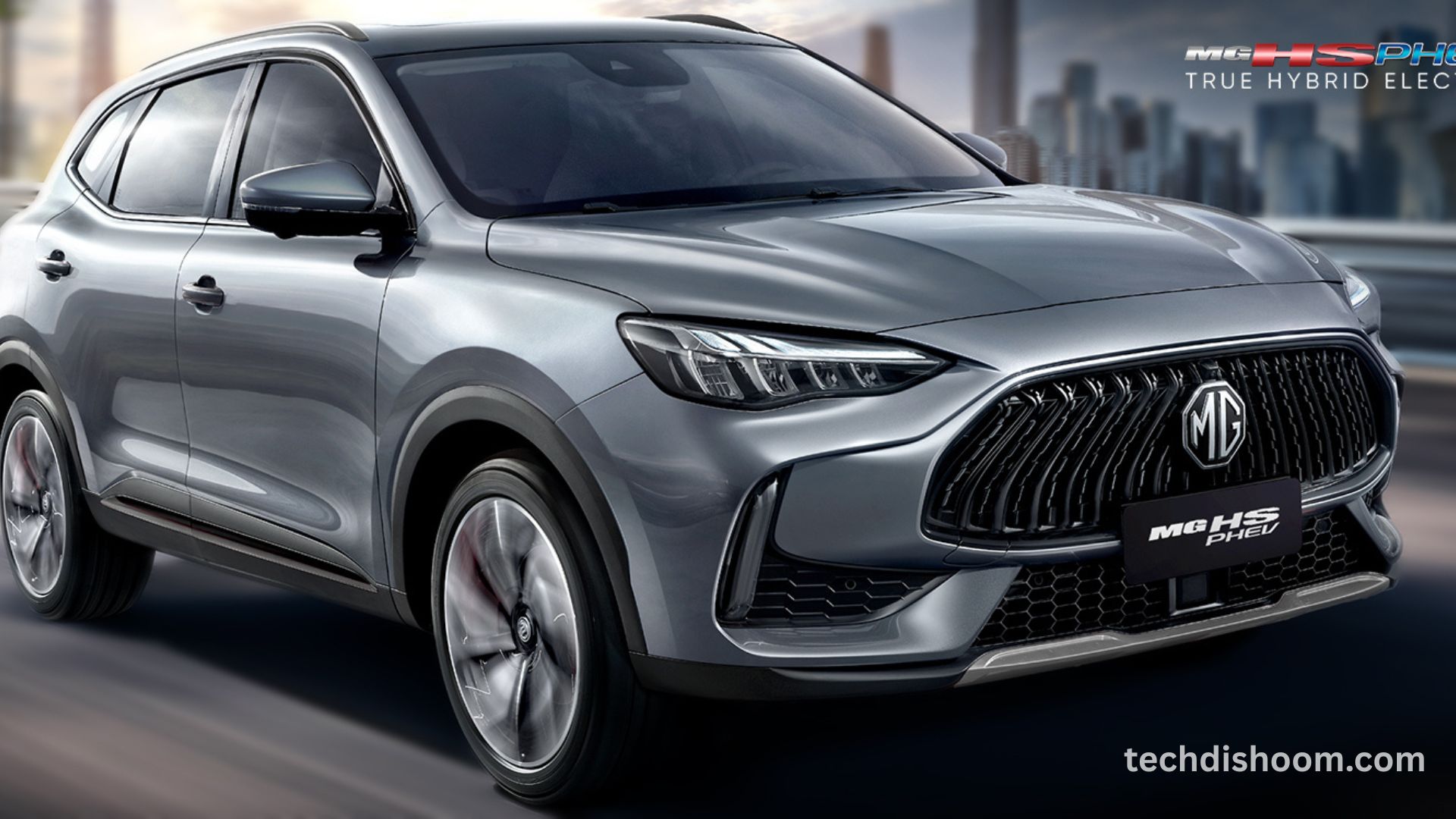
The newly proposed Auto Policy 2026–31 has come under growing scrutiny from industry stakeholders, manufacturers, and economic analysts who are raising concerns over its lack of transparency. While the policy is expected to shape the future of the automotive sector for the next five years, many key details remain unclear, prompting calls for greater openness from policymakers. Industry representatives argue that without full visibility into the policy framework, businesses may struggle to plan investments, production strategies, and long-term growth initiatives.
This debate highlights the importance of clear and inclusive policymaking in a sector that plays a critical role in economic development, employment, and industrial expansion. The automotive industry is highly sensitive to regulatory changes, taxation structures, and import-export rules, making clarity essential for stability. As discussions continue, stakeholders are urging authorities to provide detailed guidelines to ensure that the policy supports innovation, competitiveness, and sustainable growth across the entire automotive value chain.
Overview of Auto Policy 2026–31
The Auto Policy 2026–31 is designed to guide the development, regulation, and expansion of the automotive sector over a five-year period. It is expected to address key areas such as vehicle manufacturing, electric mobility, emissions standards, import regulations, and industrial investment incentives.
However, despite its long-term significance, several aspects of the policy have not yet been fully disclosed, leading to uncertainty within the industry. Stakeholders are particularly interested in understanding how the policy will impact local manufacturers, foreign investors, and supply chain operations.
Industry Concerns Over Lack of Transparency
One of the major concerns raised by industry representatives is the perceived lack of transparency in the formulation of the policy. Many stakeholders claim that limited consultation has taken place, and key industry voices may not have been fully included in the decision-making process.
This has created uncertainty among manufacturers who rely on stable and predictable policy environments to make investment decisions. Without clear guidelines, companies may delay expansion plans or reconsider future investments, potentially slowing down sector growth.
Impact on Automotive Manufacturers
Automotive manufacturers are among the most affected by policy changes, as they depend heavily on regulatory stability for production planning and supply chain management. Unclear policy directions can lead to delays in product development, pricing adjustments, and reduced investor confidence.
Industry experts warn that if uncertainty continues, it could affect both local production and foreign direct investment in the automotive sector. Manufacturers are calling for detailed policy documentation to better understand future compliance requirements.
Electric Vehicle Transition and Policy Gaps
One of the most important aspects of modern auto policies is the transition toward electric vehicles (EVs). Many countries are actively promoting EV adoption through subsidies, infrastructure development, and regulatory incentives.
However, stakeholders have pointed out that the current policy framework does not clearly outline specific targets or support mechanisms for electric mobility. This lack of clarity raises concerns about how quickly the transition to cleaner transportation will take place.
Role of Government in Policy Development
Government authorities responsible for drafting the Auto Policy 2026–31 have stated that the policy is still under review and consultation phases. Officials emphasize that stakeholder input is being considered and that further details will be released in due course.
They argue that policy development is a complex process that requires balancing industrial growth, environmental concerns, and economic stability. However, industry groups continue to push for faster and more transparent communication.
Economic Importance of the Automotive Sector
The automotive sector is a major contributor to economic growth, employment generation, and industrial development. It supports a wide range of industries, including steel, plastics, electronics, and logistics.
Any policy affecting this sector has wide-reaching economic implications. Therefore, clarity and stability are essential to ensure continued investment and growth. Uncertainty in policy can slow down production and impact related industries as well.
Industry Calls for Stakeholder Consultation
Industry associations and business leaders are urging the government to increase stakeholder consultation during the policy finalization process. They believe that greater involvement of manufacturers, exporters, and suppliers will lead to more practical and effective policy outcomes.
Regular consultation can also help identify potential challenges early and allow for better policy adjustments before implementation. Many stakeholders argue that collaborative policymaking leads to stronger long-term results.
Investment Uncertainty and Market Reaction
Uncertainty surrounding the Auto Policy 2026–31 has also influenced investor sentiment. Investors typically prefer stable regulatory environments where long-term projections can be made with confidence.
If policy details remain unclear, it may lead to cautious investment behavior, with companies delaying expansion or shifting focus to more predictable markets. This could affect overall sector growth and competitiveness.
Global Automotive Trends and Policy Alignment
Globally, the automotive industry is undergoing significant transformation, driven by electric mobility, digitalization, and environmental regulations. Countries are adopting policies that encourage innovation and sustainability.
Industry experts suggest that the Auto Policy 2026–31 should align with global trends to ensure competitiveness in international markets. Clear direction on electric vehicles, emissions standards, and technological innovation will be key factors for success.
Challenges in Policy Implementation
Even after finalization, implementing a comprehensive auto policy can be challenging. It requires coordination between multiple government departments, regulatory bodies, and industry stakeholders.
Challenges may include infrastructure development for electric vehicles, regulatory enforcement, and ensuring compliance across the supply chain. Clear guidelines and phased implementation strategies are often necessary for smooth execution.
Importance of Clear Communication
One of the key issues highlighted by industry observers is the importance of clear and consistent communication from policymakers. Transparent communication helps build trust between the government and industry stakeholders.
When policies are clearly explained and regularly updated, businesses can plan more effectively and reduce uncertainty. This is particularly important in sectors like automotive manufacturing, where long-term planning is essential.
Future Expectations from the Policy
Despite current concerns, there is still optimism that the final version of the Auto Policy 2026–31 will address industry demands and provide a clear roadmap for growth. Stakeholders expect more detailed guidelines in areas such as taxation, electric mobility, and industrial incentives.
A well-structured policy could potentially boost investment, encourage innovation, and strengthen the automotive sector’s contribution to the economy.
FAQs (Frequently Asked Questions)
What is the Auto Policy 2026–31?
It is a government framework designed to guide the automotive industry’s development, regulation, and growth over the next five years.
Why is the Auto Policy facing criticism?
It is being criticized mainly for lack of transparency and limited clarity on key policy details.
Who is concerned about the policy?
Automotive manufacturers, industry experts, investors, and business associations have raised concerns.
What are the main issues in the policy discussion?
The main issues include unclear regulations, investment uncertainty, and lack of stakeholder consultation.
How does this policy affect the auto industry?
It influences production planning, investment decisions, pricing strategies, and long-term industry growth.
Is electric vehicle policy included in it?
Yes, but industry experts say EV guidelines and targets are not clearly defined yet.
What do industry groups want from the government?
They want more transparency, clear guidelines, and better consultation with stakeholders.
When will the final policy be released?
The final version is expected after ongoing reviews and stakeholder consultations are completed.
Conclusion:
The Auto Policy 2026–31 has become a focal point of debate due to concerns over transparency and lack of clarity. While the policy is expected to play a crucial role in shaping the future of the automotive industry, stakeholders are calling for more detailed information and inclusive consultation.
As discussions continue, the balance between policy development and industry expectations remains critical. Clear communication, stakeholder engagement, and alignment with global trends will be essential to ensure that the policy supports sustainable growth and long-term stability in the automotive sector.
