

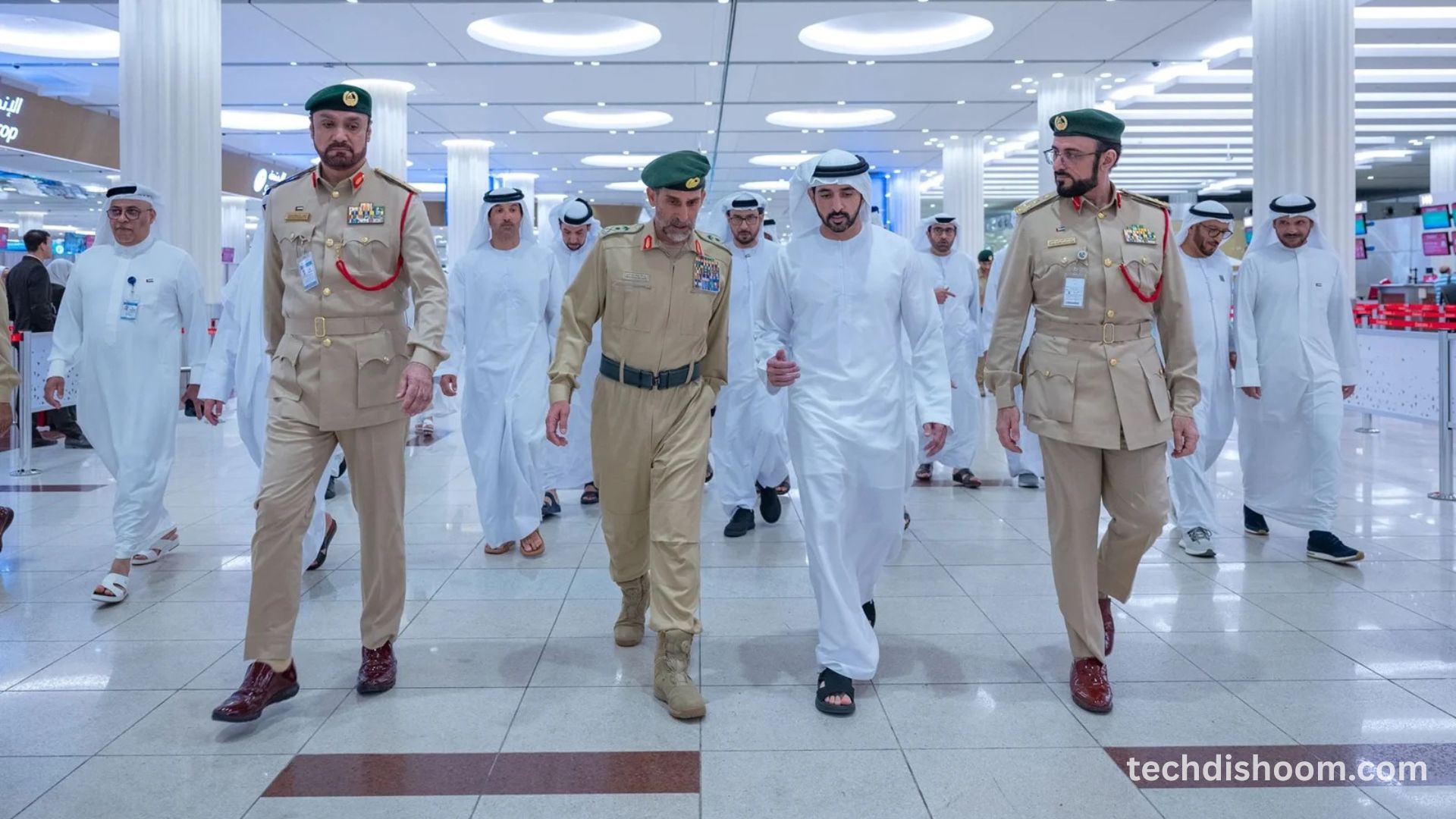
Sheikh Hamdan bin Mohammed bin Rashid Al Maktoum, Crown Prince of Dubai, has expressed strong pride in the performance and achievements of Dubai’s aviation sector, specifically recognizing the efforts of Dubai Airports, Emirates Airline, and flydubai teams. His remarks highlight the continued success of Dubai as one of the world’s leading global aviation hubs, built on innovation, efficiency, and world-class service standards. The statement reflects the importance of teamwork and long-term vision in maintaining Dubai’s position at the forefront of international air travel and logistics.
In a rapidly evolving global aviation industry, Dubai continues to stand out as a benchmark for excellence. The Crown Prince’s appreciation underscores not only operational success but also the dedication of thousands of employees who contribute daily to the smooth functioning of one of the busiest aviation networks in the world. His message also reinforces Dubai’s commitment to growth, connectivity, and maintaining its reputation as a global gateway linking East and West.
Dubai’s Position as a Global Aviation Hub
Dubai has firmly established itself as one of the most influential aviation hubs in the world, serving as a central gateway that connects millions of passengers across Europe, Asia, Africa, and the Americas every year. Its strategic geographic location between major global regions has given it a unique advantage, allowing it to function as a natural transit point for international travel and global commerce. This positioning has played a key role in transforming Dubai into a critical link in the global aviation network, where east meets west in seamless connectivity.
Over the past two decades, Dubai has made massive and continuous investments in aviation infrastructure, airport expansion, airline development, and advanced air traffic management systems. These long-term strategic investments have turned the emirate into a global leader in aviation services, setting international benchmarks for efficiency, innovation, and passenger experience. Today, Dubai continues to attract millions of tourists, business travelers, and cargo operations annually, strengthening its role not only as a travel hub but also as a major driver of global trade and tourism flows. This sustained growth reflects Dubai’s long-term vision of becoming the world’s most connected city.
Sheikh Hamdan’s Recognition of Aviation Teams
Sheikh Hamdan’s recent remarks carried strong appreciation for the dedicated teams working across Dubai Airports, Emirates Airline, and flydubai. His message highlighted not only the operational success of these organizations but also the human effort behind their achievements. He emphasized that the continued global success of Dubai’s aviation sector is a direct result of teamwork, discipline, and an unwavering commitment to excellence demonstrated by thousands of employees working across different roles and departments.
His recognition also reflects the importance of coordination and unity in maintaining Dubai’s world-class aviation standards. From ground handling staff and technical engineers to cabin crew, pilots, and airport operations teams, every individual plays a vital role in ensuring smooth, safe, and efficient travel experiences for passengers. Sheikh Hamdan’s appreciation underscores that behind every successful flight and seamless airport operation is a highly skilled and motivated workforce that keeps Dubai connected to the world.
Emirates Airline: A Symbol of Global Excellence
Emirates Airline stands as one of the most recognized and respected carriers in global aviation, representing Dubai’s ambition, innovation, and commitment to excellence on the international stage. With a vast and ever-expanding global network, Emirates connects Dubai to hundreds of destinations across six continents, making it one of the most influential airlines in shaping global travel routes and passenger movement. Its premium services and consistent performance have helped position it as a symbol of luxury, reliability, and world-class aviation standards.
The airline has continuously set industry benchmarks in areas such as customer experience, fleet modernization, in-flight entertainment, and operational efficiency. Its investment in advanced aircraft, cutting-edge cabin design, and digital innovation has redefined long-haul travel for millions of passengers worldwide. Beyond commercial success, Emirates plays a crucial diplomatic and economic role by strengthening Dubai’s global presence, supporting tourism growth, and enhancing international connectivity, making it a cornerstone of the emirate’s aviation dominance.
flydubai: Expanding Regional and Global Connectivity
Alongside Emirates, flydubai has emerged as a key contributor to Dubai’s rapidly expanding aviation network, particularly in strengthening regional and short-to-medium haul connectivity. The airline focuses on providing affordable and efficient travel options, making air travel more accessible to a wider range of passengers while maintaining strong operational standards and safety performance. This dual approach of affordability and quality has allowed flydubai to carve out a strong position in the competitive aviation market.
Over the years, flydubai has significantly expanded its route network, connecting Dubai to emerging markets and underserved destinations across the Middle East, Asia, Europe, and Africa. This expansion has not only enhanced passenger mobility but has also supported trade, tourism, and business opportunities between regions. Working in synergy with Emirates, flydubai contributes to a balanced aviation ecosystem in Dubai, where long-haul and short-haul operations complement each other to strengthen the emirate’s position as a truly global aviation hub.
Dubai Airports: Gateway to the World
Dubai Airports manages one of the busiest and most advanced airport systems in the world, with Dubai International Airport (DXB) consistently ranking among the top global airports for international passenger traffic. Serving tens of millions of travelers annually, DXB has become a symbol of efficiency, scale, and world-class service standards in modern aviation infrastructure. Its ability to handle massive passenger volumes while maintaining high levels of service quality reflects Dubai’s exceptional operational capabilities.
The airport’s infrastructure is continuously evolving through major expansion projects, technological upgrades, and passenger experience enhancements. From state-of-the-art terminals and smart security systems to automated check-in processes and seamless baggage handling, Dubai Airports has embraced innovation at every level. These improvements ensure that the airport remains capable of meeting growing global travel demand while maintaining its reputation as one of the most efficient and passenger-friendly airports in the world.
Importance of Aviation to Dubai’s Economy
The aviation sector plays a central and irreplaceable role in Dubai’s economic structure, contributing significantly to GDP, employment generation, and overall economic diversification. It supports thousands of direct jobs within airlines, airports, and aviation services, while also creating indirect employment across tourism, hospitality, logistics, retail, and real estate sectors. This wide economic impact makes aviation one of the strongest pillars of Dubai’s modern economy.
Dubai’s long-term investment in aviation has also played a crucial role in reducing reliance on traditional industries such as oil and gas. By building a globally connected aviation ecosystem, the emirate has successfully positioned itself as a leading hub for international business, trade, and tourism. The continued success of Emirates, flydubai, and Dubai Airports directly fuels economic growth, strengthens global competitiveness, and reinforces Dubai’s reputation as a forward-looking, diversified economy.
Innovation and Technology in Aviation
Innovation and technological advancement are at the heart of Dubai’s aviation success story. The emirate has consistently invested in cutting-edge solutions to enhance efficiency, safety, and passenger experience across all levels of aviation operations. From biometric immigration systems and AI-powered customer service tools to smart baggage tracking and automated boarding processes, Dubai Airports has transformed the traditional travel experience into a highly digital and seamless journey.
Similarly, Emirates and flydubai have adopted advanced technologies in fleet management, flight operations, and customer engagement. Modern aircraft equipped with fuel-efficient engines, real-time data systems, and enhanced navigation tools ensure safer and more efficient travel. These continuous innovations not only improve operational performance but also reinforce Dubai’s position as a global leader in aviation technology and smart mobility solutions.
Commitment to Customer Experience
Passenger experience remains one of the most important priorities in Dubai’s aviation strategy. Every aspect of travel, from booking a ticket to arriving at the final destination, is carefully designed to ensure maximum comfort, efficiency, and convenience for passengers. Dubai’s aviation ecosystem places strong emphasis on reducing waiting times, improving service quality, and delivering a smooth travel journey across all touchpoints.
Emirates is globally recognized for its premium in-flight services, luxury seating, and world-class hospitality, while flydubai focuses on delivering affordable yet reliable travel options. At the same time, Dubai Airports ensures a seamless airport experience through efficient terminal design, multilingual support services, and advanced passenger assistance systems. Together, these efforts create a unified customer experience that strengthens Dubai’s reputation as one of the most passenger-friendly aviation hubs in the world.
Read More: Common Pill May Help Stop Cancer From Spreading
Training and Workforce Development
The success of Dubai’s aviation sector is deeply rooted in its highly skilled and professionally trained workforce. Continuous training programs, certification courses, and leadership development initiatives are regularly implemented to ensure that employees maintain international standards of service, safety, and operational excellence. This focus on human capital development ensures that Dubai remains competitive in an increasingly complex and demanding global aviation industry.
Sheikh Hamdan’s acknowledgment of aviation teams highlights the importance of people in driving long-term success. From technical engineers and air traffic controllers to customer service agents and cabin crew, every employee contributes to the smooth functioning of the aviation ecosystem. This strong emphasis on workforce development ensures that Dubai not only builds infrastructure but also nurtures talent capable of sustaining its global leadership in aviation.
FAQs (Frequently Asked Questions)
What did Sheikh Hamdan say about Dubai aviation teams?
He expressed strong pride in Dubai Airports, Emirates, and flydubai teams for their excellence and dedication.
Why is Dubai considered a global aviation hub?
Because it connects major continents and serves millions of passengers through advanced airports and airlines.
What role does Emirates Airline play in Dubai’s success?
Emirates strengthens global connectivity and promotes Dubai as a leading international travel destination.
How does flydubai contribute to aviation growth?
It expands regional connectivity and makes affordable travel options available across multiple destinations.
Why are Dubai Airports important globally?
Dubai Airports handle massive passenger traffic with high efficiency, making them one of the busiest in the world.
What makes Dubai aviation sector successful?
Strong infrastructure, innovation, skilled workforce, and world-class service standards drive its success.
How does aviation impact Dubai’s economy?
It supports GDP growth, tourism, trade, and creates thousands of direct and indirect jobs.
What is the focus of Dubai’s future aviation strategy?
The focus is on innovation, sustainability, expansion, and maintaining global leadership in aviation.
Conclusion:
Sheikh Hamdan’s recognition of Dubai Airports, Emirates, and flydubai highlights the strength and success of Dubai’s aviation sector on the global stage. The combined efforts of these organizations have positioned Dubai as a leading international hub for travel, trade, and tourism.
As the industry continues to evolve, Dubai’s commitment to innovation, teamwork, and excellence ensures that it will remain a key player in global aviation for years to come.
