

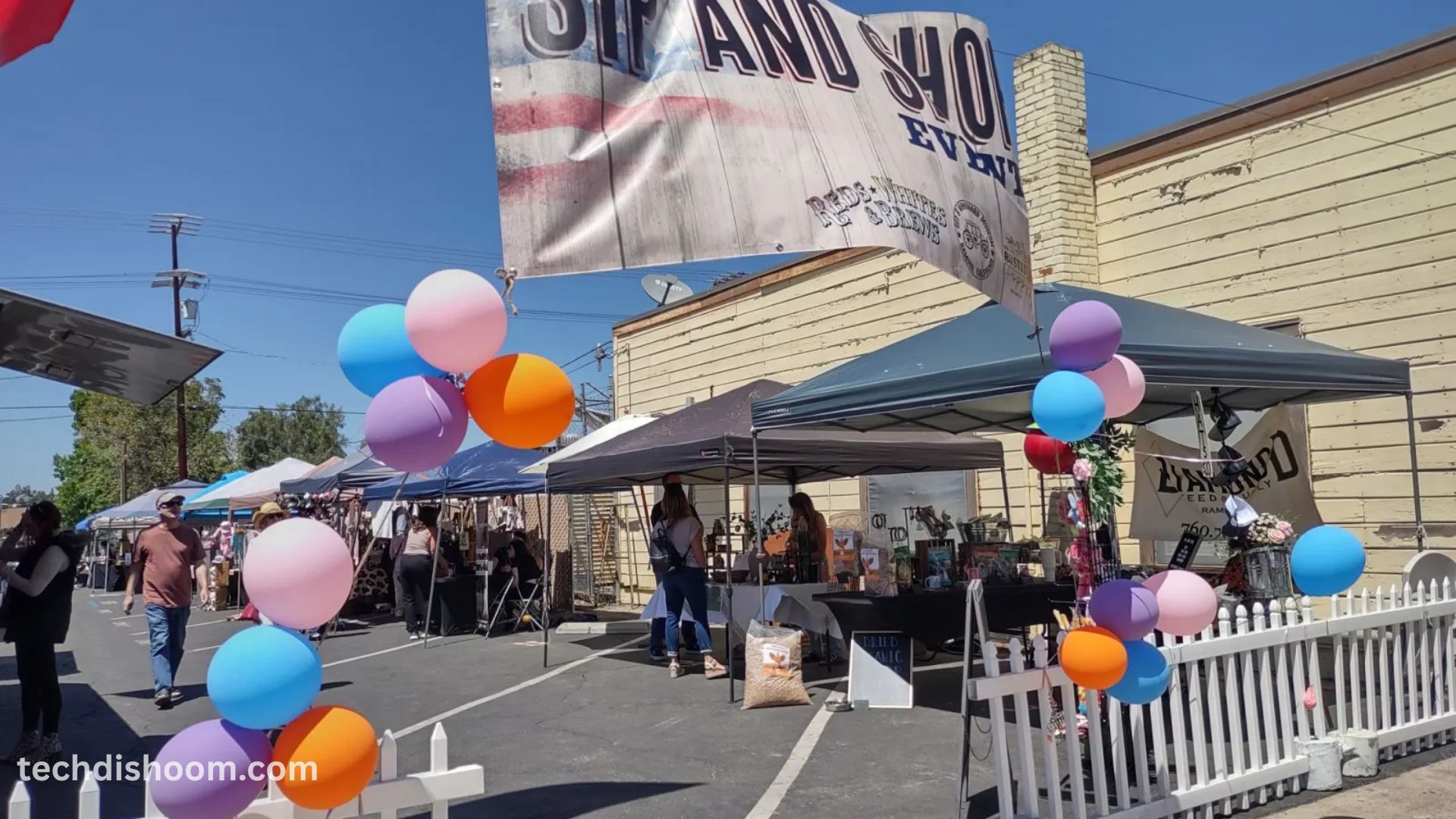
Young entrepreneurs from across the region recently gathered to take part in the first Lowcountry Children’s Business Fair, an event designed to encourage creativity, innovation, and business skills among children. The fair gave young participants an opportunity to create their own products, launch small businesses, and present their ideas directly to the public. From handmade crafts and baked goods to technology ideas and personalized services, the event highlighted the talent and determination of the next generation of entrepreneurs. Organizers described the fair as more than just a marketplace. It was an educational experience where children learned how to manage money, communicate with customers, and build confidence through real-world business experience.
The first Lowcountry Children’s Business Fair also attracted parents, teachers, community leaders, and local residents who wanted to support young talent and encourage entrepreneurship at an early age. Many of the children spent weeks or even months preparing for the event, carefully planning their products, designing signs, setting prices, and practicing how to speak with customers. The result was an inspiring community event that not only celebrated business ideas but also demonstrated the importance of giving young people the chance to learn practical skills outside the classroom.
A New Platform for Young Entrepreneurs
The first Lowcountry Children’s Business Fair was created to provide children with a real platform to explore entrepreneurship in a supportive and exciting environment. Rather than simply learning about business through books or classroom activities, participants were able to experience what it feels like to run a small business firsthand. Each child was responsible for creating a business idea, producing products or services, and presenting them to visitors.
This hands-on approach made the event different from a traditional school activity. Children learned how to solve problems, make decisions, and respond to challenges in real time. Organizers said the goal was to inspire young people to think creatively and understand that they can turn their ideas into something valuable.
Children Showcase Creative Business Ideas
One of the most impressive parts of the event was the variety of businesses created by the children. Some young entrepreneurs sold handmade jewelry, paintings, and crafts, while others focused on homemade snacks, baked goods, and lemonade stands. A few participants even introduced more advanced ideas such as digital designs, custom artwork, and technology-based services.
The diversity of products demonstrated that children are capable of thinking far beyond traditional business concepts. Many participants combined creativity with practical thinking, creating businesses that reflected their own interests and talents. Visitors were impressed not only by the products but also by the professionalism shown by the young business owners.
Learning Important Business Skills Early
The Children’s Business Fair was not only about selling products. It was also an opportunity for participants to develop important life and business skills. Before the event, children had to learn how to create a budget, calculate costs, set prices, and determine how much profit they could make.
During the fair, they gained experience in customer service, communication, and problem-solving. Many children learned how to explain their ideas clearly, answer questions from customers, and handle challenges such as pricing decisions or limited inventory. These experiences provided practical lessons that are difficult to teach in a classroom alone.
The Role of Parents and Families
Parents and families played a major role in helping children prepare for the event. Many spent time assisting with planning, product creation, and booth design. However, organizers emphasized that the children themselves remained in charge of their businesses.
This balance between support and independence helped participants feel more confident. Parents were able to encourage their children while still allowing them to make decisions and take responsibility for their own success. For many families, the fair became an opportunity to spend time together while supporting a child’s creativity and ambition.
Community Support Makes the Event a Success
The success of the first Lowcountry Children’s Business Fair was also driven by strong community support. Local residents attended the event in large numbers, creating a positive environment for the young entrepreneurs. Visitors purchased products, offered encouragement, and spent time learning about each child’s business idea.
Community leaders and local business owners also attended, with some sharing advice and encouragement with the participants. Their involvement helped make the event feel meaningful and professional. It also showed children that their ideas and efforts were being taken seriously by the wider community.
Why Entrepreneurship Matters for Children
Entrepreneurship can provide children with valuable skills that extend far beyond business. Running a small business teaches responsibility, creativity, persistence, and confidence. It also encourages children to take initiative and believe in their own ideas.
Events like the Children’s Business Fair show that entrepreneurship is not only for adults. Children are capable of learning how to solve problems, create opportunities, and communicate effectively. These skills can help them in school, future careers, and many other areas of life.
Confidence Building Through Real-World Experience
One of the biggest benefits of the fair was the confidence it gave to the participants. For many children, standing in front of strangers and explaining their business idea was a completely new experience. By the end of the event, many appeared more comfortable and confident than when they first arrived.
The ability to speak with customers, answer questions, and make sales helped children believe in their own abilities. Even those who did not sell many products still gained valuable experience and learned that taking a risk can be rewarding.
Inspiring Future Business Leaders
The event may have been the first business fair for many participants, but it could also be the beginning of something much bigger. Some children discovered that they enjoy creating products, managing money, or interacting with customers. These early experiences may inspire them to continue exploring entrepreneurship as they grow older.
History has shown that many successful entrepreneurs developed their interest in business at a young age. By giving children the chance to explore these interests early, events like the Lowcountry Children’s Business Fair can help inspire the next generation of business leaders.
The Growing Popularity of Children’s Business Fairs
Children’s business fairs are becoming increasingly popular in communities across the country. Parents, educators, and local organizations are recognizing the value of giving children opportunities to learn outside of traditional classroom settings.
These events are often seen as a way to encourage independence, creativity, and practical thinking. As more communities organize similar fairs, young entrepreneurs will have even more opportunities to develop their skills and share their ideas.
Challenges Faced by Young Entrepreneurs
Although the fair was a positive experience, many participants also faced challenges along the way. Some children had to learn how to manage limited budgets, improve their products, or attract customers to their booths. Others discovered that running a business requires patience and preparation.
These challenges were an important part of the learning process. Instead of being discouraged, many children used the experience to understand what they could improve in the future. Learning from mistakes is one of the most valuable lessons in entrepreneurship.
Education Beyond the Classroom
The first Lowcountry Children’s Business Fair highlighted the importance of practical education. While schools teach important academic subjects, events like this allow children to apply what they learn in real situations. Mathematics becomes useful when calculating prices and profits, while communication skills become important when speaking with customers.
This combination of education and real-world experience can help children understand why learning matters. It also gives them the chance to discover interests and talents that may not always appear in a traditional classroom environment.
Read More: Rushing into AI? Key Risks Small Businesses Must Know
Future Plans for the Business Fair
Following the success of the first event, organizers are already discussing plans for future Children’s Business Fairs. They hope to make the event larger, include more participants, and create even more opportunities for young entrepreneurs.
Future events may include awards, mentorship from local business owners, workshops, and additional support for children who want to continue developing their business ideas. Organizers believe the strong response from the community proves that there is significant interest in encouraging youth entrepreneurship.
FAQs (Frequently Asked Questions)
What is the Lowcountry Children’s Business Fair?
The fair is a special event where children create their own businesses, sell products, and learn real-world business skills.
Why is the Lowcountry Children’s Business Fair important for kids?
It helps children build confidence, creativity, communication skills, and understand how small businesses actually work.
What kinds of businesses did children showcase at the fair?
Children presented handmade crafts, baked goods, jewelry, artwork, digital ideas, and many other creative business projects.
How do children benefit from participating in a business fair?
They learn practical skills such as budgeting, setting prices, customer service, problem-solving, and speaking with customers.
Did parents help children prepare for the event?
Yes, parents helped with planning and setup, but the children managed and ran their own businesses independently.
Why are children’s business fairs becoming more popular in communities?
These events encourage entrepreneurship, teach real-life skills, and give children a chance to explore their talents.
What challenges did young entrepreneurs face during the fair?
Many children had to manage costs, attract customers, improve their products, and learn from mistakes during the event.
Will there be more Lowcountry Children’s Business Fair events in the future?
Organizers plan to expand future fairs with more participants, mentorship programs, and additional business activities.
Conclusion:
The first Lowcountry Children’s Business Fair was more than just a community event. It was a celebration of creativity, ambition, and the potential of young people. By giving children the opportunity to create businesses and interact with real customers, the event provided valuable lessons that will stay with them for years.
As communities continue to support programs like this, more children will have the chance to develop confidence, practical skills, and an entrepreneurial mindset. The fair showed that age is not a barrier to success and that even the youngest entrepreneurs can turn simple ideas into something meaningful.
