

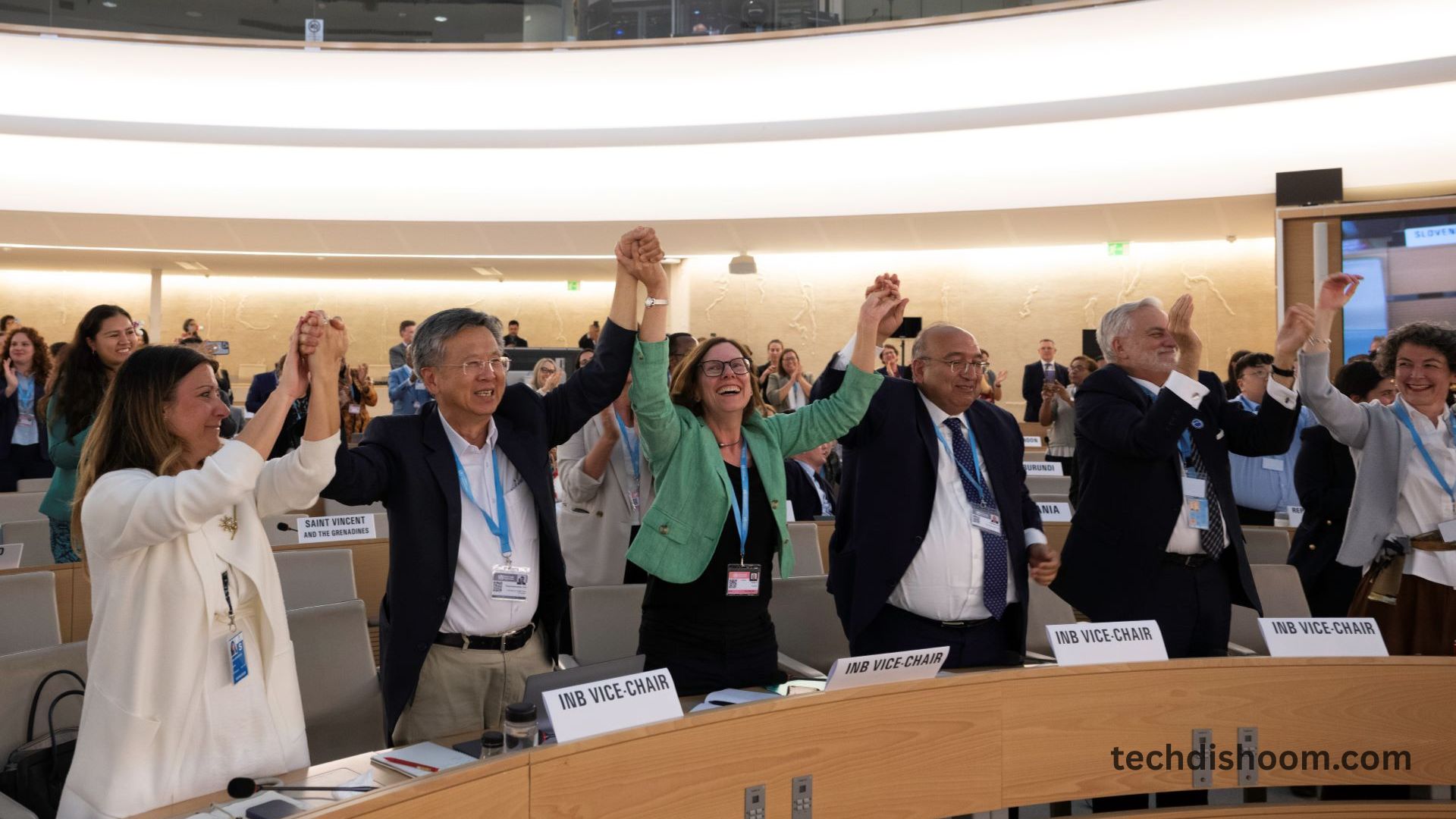
Pandemic negotiations have entered a decisive phase as countries work intensively to finalize a global agreement aimed at preventing and managing future health crises. After years of debate following the COVID-19 crisis, policymakers are now closer than ever to bridging long-standing differences over issues such as data sharing, vaccine access, and national sovereignty. The urgency stems from a shared recognition that the world was unprepared for the last pandemic and cannot afford a repeat of fragmented responses.
The proposed agreement is being negotiated under the framework of international health cooperation, with a strong emphasis on equity, transparency, and rapid response mechanisms. Governments, health organizations, and global institutions are aligning on the need for a unified strategy that ensures faster detection of outbreaks and fair distribution of medical resources. While challenges remain, the current momentum suggests a breakthrough could reshape global pandemic preparedness for decades.
Background of the Global Pandemic Agreement
The idea of a global pandemic agreement emerged in the aftermath of COVID-19, which exposed critical weaknesses in international health systems. Countries struggled with supply chain disruptions, unequal vaccine access, and delayed responses due to lack of coordination. These challenges sparked discussions on the need for a legally binding framework to improve preparedness and response for future outbreaks.
Over the past few years, negotiations have focused on building a system that encourages transparency while respecting national sovereignty. Early proposals faced resistance from nations concerned about sharing sensitive health data or losing control over domestic policies. Despite these concerns, ongoing discussions have gradually narrowed differences, highlighting a collective commitment to avoid repeating past mistakes.
Key Issues Blocking the Deal
One of the main sticking points in the pandemic negotiations has been the issue of data sharing. Countries differ on how quickly and openly they should share information about emerging pathogens, especially when it could impact their economies or global reputation. Balancing transparency with national interests remains a complex challenge that negotiators are still trying to resolve.
Another critical issue is intellectual property rights related to vaccines and treatments. Developing nations have pushed for mechanisms that allow easier access to life-saving technologies during emergencies, while wealthier countries and pharmaceutical companies are cautious about protecting innovation incentives. This tension has slowed progress but also prompted creative solutions aimed at ensuring fairness without undermining research investments.
Vaccine Equity and Resource Distribution
Vaccine equity has become a central theme in the pandemic agreement discussions. During COVID-19, many low-income countries faced significant delays in accessing vaccines, leading to prolonged outbreaks and higher mortality rates. The proposed deal aims to establish systems that ensure fair allocation of vaccines and essential medical supplies in future crises.
Efforts to address this issue include creating global stockpiles and setting distribution guidelines that prioritize vulnerable populations. The agreement also seeks to improve manufacturing capacity in developing regions, reducing dependence on a limited number of producers. These measures are expected to enhance global resilience and ensure that no country is left behind during a pandemic.
Role of Global Health Organizations
Global health organizations play a crucial role in facilitating pandemic response and coordination. The new agreement aims to strengthen their authority and provide clearer mandates for action during health emergencies. This includes improved surveillance systems and faster mobilization of resources when outbreaks are detected.
There is also a focus on enhancing collaboration between countries and international institutions. By creating standardized protocols and communication channels, the agreement seeks to reduce delays and confusion during crises. This coordinated approach is expected to improve efficiency and build trust among nations, which is essential for effective global health governance.
Economic and Political Implications
The pandemic agreement carries significant economic implications for countries around the world. Investing in preparedness measures may require substantial financial commitments, but experts argue that the cost is far lower than the economic damage caused by uncontrolled pandemics. Governments are increasingly recognizing the value of preventive strategies in safeguarding their economies.
Politically, the deal represents a delicate balance between cooperation and sovereignty. Nations must agree to certain obligations while maintaining control over their internal policies. This balance has been a key factor in negotiations, with leaders seeking solutions that promote global collaboration without compromising national interests.
Progress in Negotiations
Recent developments indicate that countries are making meaningful progress toward finalizing the pandemic agreement. Diplomatic efforts have intensified, with negotiators working around the clock to resolve remaining disagreements. Reports suggest that compromises are being reached on several contentious issues, bringing the deal closer to completion.
Key areas of progress include:
- Agreement on improved data-sharing mechanisms during emergencies
- Frameworks for equitable access to vaccines and treatments
These advancements reflect a growing consensus that collective action is essential in addressing global health threats. While not all details are finalized, the overall direction of the negotiations is encouraging.
Challenges Ahead Before Finalization
Despite the progress, several challenges remain before the pandemic deal can be officially adopted. Differences in legal frameworks and enforcement mechanisms continue to pose obstacles. Countries must agree on how the agreement will be implemented and what consequences will follow if obligations are not met.
Another challenge is ensuring long-term commitment from all participating nations. Past agreements have sometimes struggled with compliance, and there is a need for robust monitoring systems to ensure accountability. Addressing these concerns will be crucial in building a sustainable and effective global pandemic framework.
Future Impact of the Pandemic Agreement
The successful adoption of the pandemic agreement could mark a turning point in global health governance. By establishing clear rules and expectations, the deal has the potential to significantly improve preparedness and response capabilities worldwide. This would reduce the risk of widespread disruption caused by future pandemics.
Looking ahead, the agreement could also influence broader international cooperation beyond health. It may serve as a model for addressing other global challenges that require coordinated action. As countries move closer to finalizing the deal, the focus remains on creating a framework that is both effective and inclusive.
Read More: Collagen Supplements: Do They Improve Skin & Joints?
Frequently Asked Questions
What is the global pandemic agreement?
It is an international deal aimed at improving preparedness, response, and cooperation during future pandemics.
Why is the pandemic agreement important?
It helps prevent delays, ensures fair resource distribution, and strengthens global health systems.
What are the main issues in negotiations?
Key issues include data sharing, vaccine access, and intellectual property rights.
How will the agreement improve vaccine distribution?
It proposes fair allocation systems and increased production capacity in developing countries.
Will countries lose sovereignty under this deal?
No, the agreement aims to balance global cooperation with national control over policies.
When is the agreement expected to be finalized?
Negotiations are in the final stage, but an exact timeline depends on resolving remaining disputes.
Who is involved in the negotiations?
Countries worldwide along with global health organizations and policy experts.
How will this affect future pandemics?
It will enable faster responses, better coordination, and reduced global impact.
Conclusion:
The pandemic agreement represents a critical step toward strengthening global readiness for future health emergencies. As countries move closer to resolving differences, the potential benefits of a unified approach become increasingly clear. By addressing issues such as equity, transparency, and coordination, the deal aims to prevent the widespread disruption seen in recent years. The success of this initiative will depend on sustained commitment and cooperation, but it offers a promising path forward in managing the risks associated with any future pandemic.
