

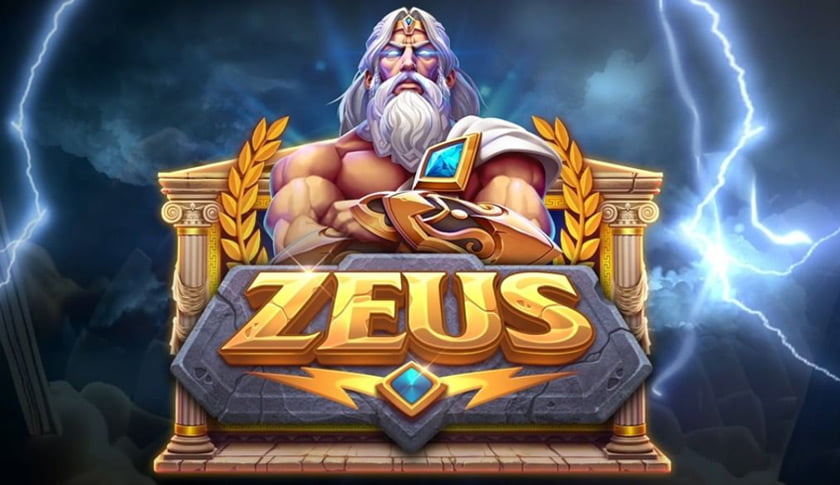
Greek mythology keeps resurfacing in Zeus slots because it gives studios a ready-made world of characters, symbols, and stories that many people can recognize quickly. Lightning, storm clouds, temples, and a powerful god above the reels can establish the theme without needing much explanation.
But familiar mythology can also create a wrong assumption: two Zeus-themed slots may look related while playing very differently. This article explores why Zeus works so well as a slot character, what studios borrow from mythology, and how to tell one Zeus game from another.
What Makes Zeus So Easy to Recognize on a Slot Screen?
Zeus comes with a visual identity that game designers can communicate almost instantly. In Greek mythology, he is the chief deity and is strongly associated with the sky, thunder, lightning, and Mount Olympus.
That gives a zeusslot plenty of familiar imagery to work with. A designer can use lightning bolts, clouds, Greek temples, gold, eagles, or Zeus himself and make the theme clear before the player even opens the paytable.
These images also create a natural sense of importance. Zeus can appear as the main character, while lightning or other myth-inspired objects can be used to make certain moments stand out.
What those images cannot tell you is how the slot actually works. For that, you still need the rules of the individual game.
Why Does Greek Mythology Give Game Designers So Much to Work With?
Greek mythology offers far more than one recognizable god, giving studios a large collection of characters, places, creatures, and stories to adapt. That makes it possible to revisit the same mythology without every game needing to look identical.
Zeus may be the main character, but designers can also draw ideas from Poseidon, Hades, Athena, Hercules, Medusa, Pegasus, the Titans, Mount Olympus, or the Underworld.
The mythology also gives designers different ways to build a visual hierarchy:
- Gods — Can become major characters or high-value symbols.
- Lightning and divine objects — Can represent special features or dramatic animations.
- Mythical creatures — Give the reels additional characters without leaving the Greek theme.
- Temples and Olympus — Quickly establish the setting.
- Gold, crowns, and weapons — Can make important symbols visually easy to spot.
This does not mean those symbols have a universal slot function. They provide a familiar visual language, while each studio decides what they actually do.
Which Zeus-Themed Features Are Familiar and Which Are Just Creative Choices?
Most similarities between Zeus slots come from their theme, while the actual mechanics are choices made by each developer. Lightning appearing in two games does not mean it triggers the same feature in both.
For example, the Zeus game in the supplied reference combines its mythology theme with Mystery Symbols, Wilds, expanding reels, and Free Spins. Those mechanics belong to that particular interpretation of Zeus.
Another studio could take the same god and build a completely different game around multipliers, collecting symbols, jackpots, or another bonus system.
This is where separating themes from mechanics becomes useful. Thunder, Olympus, and Zeus tell you what world the game is presenting; The paytable and rules tell you how that world works.
Can Two Games Called Zeus Play Completely Differently?
Yes. Two slots can both use Zeus in the name while having different layouts, win systems, bonus triggers, Wild rules, and special features. Sharing a mythological character does not make them different versions of one game.
Think of two movies about Hercules. They can feature the same hero but use different actors, stories, settings, and styles.
Zeus slots work in a similar way. One developer might build the game around expanding reels and Free Spins, while another could focus on multipliers or a completely different feature.
Even familiar-looking symbols should therefore be checked again when moving between titles. Knowing one Zeus slot does not mean you already know the next one.
How Can You Tell One Studio’s Zeus Game From Another?
Start with the provider and game rules rather than the artwork. Those details are much more useful for identifying what makes one Zeus title different from another.
Before assuming two similarly themed games work alike, check:
- Provider — Find out which studio created the title.
- Reel layout — Check how many reels and rows the game uses.
- Win system — Look for paylines, ways to win, clusters, or another format.
- Wilds — See whether they simply substitute or have an added function.
- Scatters — Check what they trigger and how many are needed.
- Free Spins — Look at how the feature starts and whether its rules change.
- Special mechanics — Check for Mystery Symbols, expanding reels, multipliers, collections, or other features.
- Paytable — Use the current game information to confirm what each symbol actually does.
You do not need to memorize every detail before understanding the basic difference. Provider, win system, and major bonus features are usually enough to show that two Zeus titles are not necessarily the same game underneath the artwork.
Does Knowing the Myth Tell You Anything About the Next Spin?
No. Knowing Greek mythology can help you understand the theme, but it cannot tell you what result will appear next. Zeus throwing lightning or a dramatic storm animation should not be treated as a clue that a certain outcome is about to happen.
This distinction matters because strong themes can make ordinary game events feel like part of a larger story. Thunder might build suspense, while Zeus raising his hand could make a feature feel more dramatic.
Those details support the presentation, not a prediction method. Previous rounds also do not provide a reliable way to determine when a particular symbol or bonus will appear.
A simple way to separate the two is to remember:
Mythology explains what you are looking at; the game rules explain what it does.
Same Thunderbolt, Different Reels—So Which Zeus Are You Actually Meeting?
The provider and rules tell you which Zeus game you are actually looking at—not the thunderbolt on the screen. Greek mythology gives studios the same famous characters and imagery, but developers can turn those ingredients into very different slots.
That is also why Zeus keeps returning without every new title becoming a copy of the last one. The same god can appear in a simple reel game, a feature-heavy slot, or something built around an entirely different bonus system.
So when another Zeus appears above the reels, enjoy mythology for what it adds to the theme, but do not assume you already know how the game works.
Check the provider, then open the current rules or paytable and see what that particular Zeus actually does. For adults 21+ in the Philippines, keep real-money gaming within personal limits, take regular breaks, and remember that slot outcomes are based on chance rather than mythology.
