

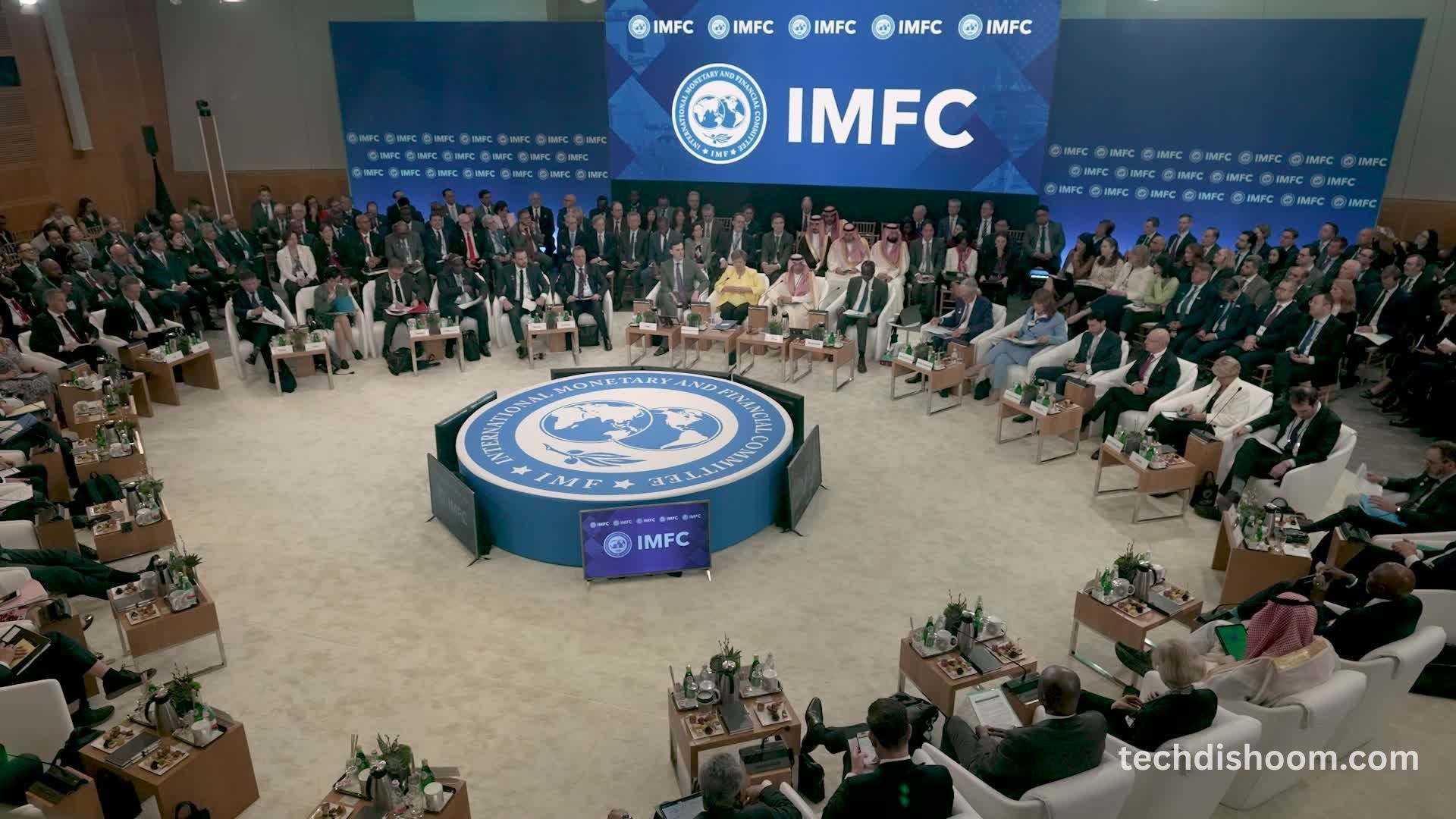
The International Monetary and Financial Committee (IMFC) convened during the IMF Spring Meetings 2026, bringing together global finance ministers, central bank governors, and economic policymakers to discuss the current state of the world economy. At a time when global markets are facing uncertainty, inflationary pressures, and uneven growth across regions, the briefing provided critical insights into monetary stability and future financial strategies. The discussions focused on strengthening economic resilience, improving global cooperation, and addressing emerging risks that continue to shape the international financial system.
The press briefing transcript from the meeting reflects growing concerns about global debt levels, shifting interest rate policies, and the long-term impact of geopolitical tensions on economic stability. Leaders emphasized the importance of coordinated action among nations to support sustainable growth while maintaining financial stability. As economies continue to recover and adjust to post-crisis conditions, the IMFC’s recommendations are expected to play a key role in shaping global economic policy in the coming years.
Overview of the IMFC Spring Meetings 2026
The International Monetary and Financial Committee serves as one of the most important advisory bodies within the International Monetary Fund framework. During the Spring Meetings 2026, members gathered to evaluate the global economic situation and provide strategic guidance on monetary policy and financial stability.
The meeting highlighted both progress and challenges in the global economy. While some regions showed signs of steady recovery, others continued to struggle with inflation, debt burdens, and slower growth. The IMFC emphasized the need for balanced policies that support growth while controlling inflation and maintaining financial discipline.
Global Economic Outlook and Growth Trends
One of the central topics of the briefing was the global economic outlook. Policymakers noted that while the global economy has shown resilience in recent years, growth remains uneven across regions. Advanced economies are experiencing moderate stability, while emerging markets continue to face external pressures such as currency fluctuations and capital flow volatility.
The committee stressed that global growth is expected to remain steady but below historical averages. Structural challenges, including labor market shifts, supply chain adjustments, and geopolitical uncertainty, are influencing long-term economic performance. This has led to calls for more coordinated international policy responses.
Inflation and Monetary Policy Challenges
Inflation continues to be a key concern for global policymakers. Although inflation rates have eased in some economies compared to previous years, price stability remains fragile. Central banks are still navigating the balance between controlling inflation and supporting economic growth.
The IMFC briefing highlighted that monetary policy decisions must remain data-driven and flexible. Rapid interest rate changes in some regions have helped stabilize prices but have also created financial tightening conditions that affect investment and consumption. Policymakers emphasized the importance of gradual adjustments to avoid economic disruption.
Global Financial Stability Concerns
Financial stability was another major focus of the discussions. The committee expressed concern about rising global debt levels, particularly in developing economies where borrowing costs have increased significantly. High debt servicing costs are limiting fiscal space and reducing governments’ ability to invest in long-term development.
In addition, volatility in financial markets and currency fluctuations continue to pose risks to global stability. The IMFC stressed the need for stronger financial regulation and improved risk monitoring systems to prevent potential financial shocks in the future.
Challenges Facing Emerging Economies
Emerging and developing economies were a key focus of the Spring Meetings 2026. Many of these countries are still recovering from previous economic disruptions while simultaneously dealing with new challenges such as inflation, debt pressure, and limited access to affordable financing.
The committee emphasized the importance of international support for these economies, including access to concessional financing, debt restructuring frameworks, and capacity-building initiatives. Strengthening economic resilience in developing nations was described as essential for achieving balanced global growth.
Role of Central Banks in Economic Stability
Central banks continue to play a crucial role in maintaining economic stability. During the briefing, policymakers discussed how central banks are adapting their strategies in response to changing economic conditions. While some economies are considering interest rate cuts, others remain cautious due to persistent inflation risks.
The IMFC highlighted the importance of maintaining central bank independence and ensuring that monetary policy decisions are based on long-term economic indicators rather than short-term political pressures. This approach is seen as essential for maintaining trust and stability in global financial systems.
Debt Sustainability and Fiscal Policy Measures
Debt sustainability emerged as a major concern during the meetings. Many countries are facing increasing public debt levels due to past economic crises, pandemic-related spending, and rising borrowing costs. The committee stressed the importance of implementing responsible fiscal policies to ensure long-term debt sustainability.
Governments were encouraged to focus on improving revenue collection, optimizing public spending, and prioritizing investments that support economic growth. Without effective fiscal management, rising debt levels could pose long-term risks to economic stability.
Geopolitical Risks and Their Economic Impact
Geopolitical tensions continue to influence global economic conditions. The IMFC briefing acknowledged that ongoing conflicts, trade uncertainties, and regional disputes are contributing to economic fragmentation. These factors are affecting supply chains, investment flows, and global trade relationships.
Policymakers emphasized the importance of maintaining open and stable international trade systems. Economic cooperation and dialogue between nations were highlighted as key tools for reducing uncertainty and supporting global growth.
Climate Change and Sustainable Finance
Climate change was also a significant topic during the Spring Meetings 2026. The committee discussed the growing financial risks associated with climate-related events, including natural disasters, resource shortages, and environmental degradation.
Sustainable finance initiatives were encouraged to support the transition toward greener economies. The IMFC stressed the importance of mobilizing private and public investment for climate resilience projects and low-carbon development strategies.
Digital Transformation in the Global Financial System
The role of digital transformation in the financial system was another key discussion point. Advances in financial technology, digital currencies, and AI-driven financial tools are reshaping how global financial systems operate.
While these innovations offer significant benefits in terms of efficiency and accessibility, they also introduce new risks related to cybersecurity, regulation, and financial stability. The committee called for stronger international cooperation to manage these emerging challenges effectively.
Policy Recommendations from the IMFC
The IMFC provided several key policy recommendations aimed at strengthening global economic stability. These include maintaining cautious monetary policies, improving fiscal discipline, supporting vulnerable economies, and enhancing global financial cooperation.
The committee also recommended increased investment in digital infrastructure, climate resilience, and workforce development to support long-term economic growth. These measures are intended to create a more balanced and sustainable global economic system.
Read More: AI-Powered Google Finance Expands to 100+ Countries
Future Outlook for the Global Economy
Looking ahead, the global economy is expected to continue facing a mix of challenges and opportunities. While inflation is gradually stabilizing in some regions, risks related to debt, geopolitical tensions, and financial volatility remain present.
The IMFC emphasized that coordinated global action will be essential for ensuring stable and inclusive growth. Policymakers must work together to address structural challenges and build resilience against future economic shocks.
FAQs (Frequently Asked Questions)
What is the IMFC Spring Meetings 2026 briefing about?
It focuses on global economic conditions, monetary policy, financial stability, and key risks affecting the world economy.
Why are IMF Spring Meetings important?
They bring together global leaders to discuss economic challenges and shape policies for international financial stability and growth.
What are the main economic concerns in 2026?
Key concerns include inflation control, high global debt, uneven growth, and ongoing geopolitical and financial market risks.
How is inflation affecting the global economy?
Inflation is slowing recovery in some regions by increasing costs, reducing purchasing power, and impacting investment decisions.
What role do central banks play in this situation?
Central banks manage interest rates and monetary policy to balance inflation control with economic growth and stability.
Why is global debt a major issue?
Rising debt limits government spending power and increases financial risk, especially for developing and emerging economies.
How do geopolitical tensions affect the economy?
They disrupt trade, supply chains, and investment flows, creating uncertainty in global markets and slowing growth.
What is the future outlook from the IMFC briefing?
The outlook is cautious but stable, with expectations of moderate growth if global cooperation and policy coordination improve.
Conclusion:
The IMF Spring Meetings 2026 and the International Monetary and Financial Committee briefing highlighted the complex state of the global economy. While progress has been made in areas such as inflation control and economic recovery, significant challenges remain, particularly in debt management, financial stability, and global cooperation.
The discussions underscored the importance of coordinated policy action, responsible fiscal management, and long-term strategic planning. As the world continues to navigate an uncertain economic environment, the IMFC’s guidance will play a crucial role in shaping policies that support sustainable and balanced global growth.
