

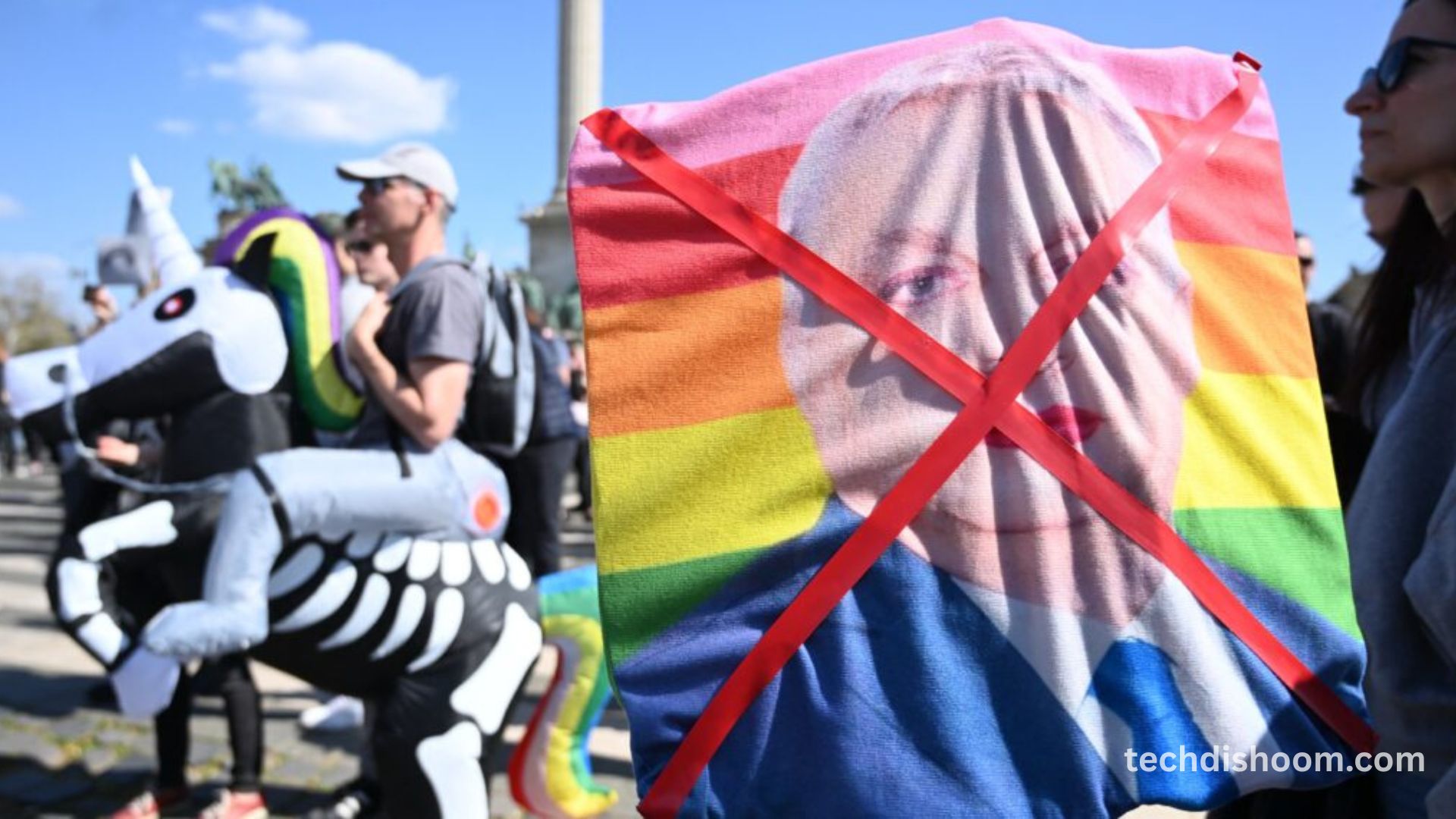
The European Union has once again found itself at the center of a major human rights and legal debate after a recent court ruling concerning Hungary’s controversial LGBTQ+ legislation. The case has drawn significant attention across Europe and beyond, as it touches on fundamental issues of equality, freedom of expression, and the protection of minority rights within the EU. According to the ruling, Hungary’s law was found to be in violation of core European human rights principles, raising serious questions about how member states align their national laws with EU-wide legal frameworks.
This decision is more than just a legal judgment it represents an ongoing clash between national sovereignty and shared European values. While supporters of the ruling view it as a necessary step to protect human rights and uphold EU law, critics argue it reflects growing tension between Brussels and certain member states over cultural and social policies. The case has sparked widespread debate about the balance between democratic decision-making within individual countries and the enforcement of common EU standards, particularly when it comes to sensitive social issues such as LGBTQ+ rights.
Background of Hungary’s LGBTQ+ Law
Hungary’s LGBTQ+ legislation has been one of the most debated laws in the European Union in recent years. The law includes restrictions on the portrayal and discussion of LGBTQ+ topics in educational materials and media content accessible to minors. Hungarian authorities have defended the legislation as a measure aimed at protecting children and preserving traditional values within society.
However, critics, including human rights organizations and several EU institutions, argue that the law effectively discriminates against LGBTQ+ individuals by limiting representation and restricting freedom of expression. They claim that such policies contribute to social exclusion and stigmatization of minority communities. This disagreement has led to ongoing legal and political disputes between Hungary and EU institutions.
The EU Court Ruling Explained
The European Court of Justice (ECJ), which plays a central role in interpreting EU law, ruled that certain provisions of Hungary’s LGBTQ+ legislation are incompatible with fundamental rights guaranteed under the EU treaties. These rights include equality before the law, freedom of expression, and protection from discrimination.
The court emphasized that while member states have the right to regulate education and media content, they must do so in a way that respects the core values of the European Union. According to the ruling, Hungary’s law crossed this line by imposing broad restrictions that disproportionately affect LGBTQ+ representation and visibility in public life.
This judgment is legally binding for EU member states, meaning Hungary is expected to bring its national legislation into compliance with EU law.
Core Issues Highlighted by the Case
The ruling brings several important issues into focus. One of the key concerns is the interpretation of human rights within the European Union. While all member states agree to uphold the EU Charter of Fundamental Rights, disagreements often arise over how these rights are applied in practice.
In this case, the central issue revolves around whether restricting LGBTQ+ content for minors can be justified as a protective measure or whether it constitutes discrimination. The court’s decision suggests that such restrictions cannot override fundamental rights to equality and non-discrimination.
Another major issue is the tension between national sovereignty and EU authority. Hungary, like all EU members, is required to follow EU law, but it has also emphasized its right to make independent decisions on social and cultural matters.
Hungary’s Position on the Ruling
Hungarian officials have previously defended the LGBTQ+ law, arguing that it is designed to protect children from exposure to content they consider inappropriate for their age group. They maintain that the law does not target individuals but regulates content distribution in educational and media environments.
In response to the EU court ruling, Hungary is expected to carefully review its legal position. However, the government has also indicated in past statements that it intends to defend its legislative sovereignty. This suggests that further legal and political negotiations between Hungary and EU institutions may continue.
EU’s Stance on Human Rights Protection
The European Union has consistently positioned itself as a strong advocate for human rights, equality, and non-discrimination. EU institutions argue that all member states are bound by shared legal principles that protect individuals regardless of sexual orientation or identity.
The court’s ruling reinforces the EU’s position that member states must ensure their laws align with these fundamental values. It also highlights the role of the European Court of Justice in maintaining legal consistency across the union, especially in cases involving civil rights and equality.
Wider European Reaction
The ruling has triggered varied reactions across Europe. Human rights organizations have welcomed the decision, describing it as an important step toward protecting LGBTQ+ rights within the EU. They argue that legal clarity is essential to prevent discrimination and ensure equal treatment for all citizens.
On the other hand, some political groups and commentators have expressed concern about what they see as increasing centralization of authority within the EU. They argue that cultural and social policies should remain within the control of individual member states, reflecting their unique traditions and values.
Impact on EU Member State Relations
This case adds to ongoing tensions between the European Union and Hungary over rule-of-law and governance issues. In recent years, several disputes have emerged involving judicial independence, media freedom, and migration policies.
The latest ruling may further strain relations, particularly if Hungary decides not to fully comply with the court’s decision. Such situations often lead to negotiations, financial discussions, and political dialogue aimed at resolving disagreements within the EU framework.
Human Rights Perspective
From a human rights perspective, the case highlights the importance of protecting minority groups from discrimination. International human rights organizations emphasize that freedom of expression and equal treatment are fundamental principles that should apply universally.
They argue that limiting representation or discussion of LGBTQ+ issues can contribute to social stigma and inequality. The court’s ruling is therefore seen as reinforcing the legal protections that ensure equal rights for all individuals within the European Union.
Legal Implications of the Ruling
Legally, the European Court of Justice’s decision carries significant weight. EU law takes precedence over national legislation in areas covered by the treaties, meaning member states are required to adjust their laws if they are found to be incompatible.
If Hungary fails to comply, the European Commission may initiate further legal proceedings, which could eventually lead to financial penalties or other enforcement measures. However, such processes typically involve extended dialogue and negotiation before any final action is taken.
Political and Social Debate
Beyond the legal aspects, the ruling has intensified political and social debate across Europe. Supporters of the decision view it as a necessary step to protect human dignity and uphold shared values. Critics, however, argue that it reflects deeper ideological divisions within the EU.
This ongoing debate illustrates the complexity of governing a union made up of diverse countries with different cultural, historical, and political backgrounds. Balancing unity with diversity remains one of the EU’s most challenging tasks.
Role of the European Court of Justice
The European Court of Justice plays a crucial role in ensuring that EU law is applied consistently across all member states. It acts as the highest authority in interpreting European legal standards and resolving disputes between national governments and EU institutions.
In cases like this, the court’s decisions help define the boundaries of acceptable national legislation within the broader framework of EU law. Its rulings are essential for maintaining legal uniformity and protecting fundamental rights across the union.
Future Outlook
The future of this case will likely depend on how Hungary responds to the ruling and whether adjustments are made to the existing legislation. If changes are implemented, it could ease tensions between Hungary and EU institutions. However, if disagreements continue, further legal and political challenges may arise.
At a broader level, this case is expected to influence future discussions about human rights, national sovereignty, and the role of EU law in regulating social policies. It may also set an important precedent for how similar cases are handled in the future.
FAQs (Frequently Asked Questions)
What did the EU court rule about Hungary’s LGBTQ+ law?
The EU court ruled that parts of Hungary’s LGBTQ+ law violate fundamental human rights and EU equality principles.
Why is Hungary’s LGBTQ+ law controversial?
It is controversial because critics say it restricts LGBTQ+ content and discrimination protections in education and media.
What human rights were affected by the ruling?
The ruling focuses on equality, non-discrimination, and freedom of expression under EU legal standards.
How has Hungary responded to the EU court decision?
Hungary has defended its law, saying it protects children and reflects national cultural values.
Is the EU court ruling legally binding?
Yes, EU Court of Justice rulings are binding and member states are expected to comply with them.
What happens if Hungary does not follow the ruling?
The EU may take further legal action, which could include financial penalties or enforcement procedures.
Why is this case important for the European Union?
It highlights the balance between national sovereignty and shared EU human rights obligations.
How has Europe reacted to this decision?
Reactions are mixed, with human rights groups supporting it and some politicians criticizing EU authority.
Conclusion:
The European Court’s ruling against Hungary’s LGBTQ+ law represents a significant moment in the ongoing debate over human rights and national sovereignty within the European Union. While the decision reinforces the EU’s commitment to equality and non-discrimination, it also highlights the complex relationship between shared European values and individual member state autonomy.As discussions continue, the case is likely to remain a key reference point in future legal and political debates across Europe.
