

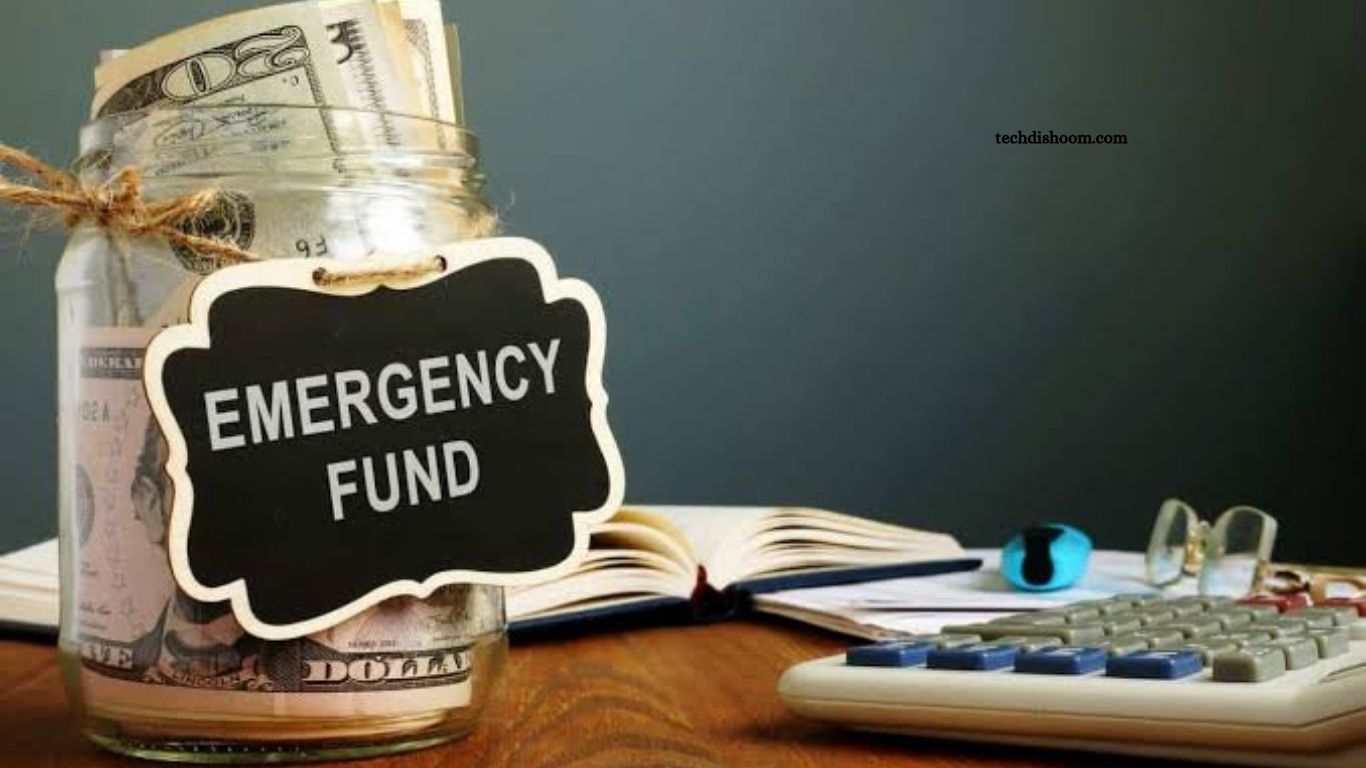
Building an emergency fund is one of the smartest steps toward financial stability. Unexpected expenses such as medical bills, car repairs, home maintenance, or sudden income loss can create financial stress when there is no savings cushion available. A dedicated emergency fund protects against these situations and helps prevent dependence on credit cards or high-interest loans.
Creating savings quickly does not require a large income. A clear savings target, consistent habits, careful spending, and automatic contributions can make the process easier. With the right strategy, small financial changes can gradually create a strong emergency fund without making everyday life feel restrictive.
Read More: Budgeting Strategies That Actually Work
What Is an Emergency Fund?
An emergency fund is money reserved specifically for unexpected and necessary expenses. Unlike regular savings used for vacations, shopping, or planned purchases, emergency savings should remain available for genuine financial emergencies.
Financial experts commonly recommend saving enough to cover several months of essential living expenses. The ideal amount depends on income stability, household responsibilities, debt, monthly expenses, and personal circumstances.
Set a Clear Emergency Fund Goal
A specific savings goal makes the process easier to manage. Start by calculating essential monthly expenses, including housing, utilities, groceries, transportation, insurance, debt payments, and other necessary costs.
Someone with essential monthly expenses of $2,000 might initially target $1,000 for a starter emergency fund. After reaching that milestone, the next target could cover one month of essential expenses, followed by three to six months depending on individual circumstances. Breaking a large financial goal into smaller milestones can make saving feel more achievable.
Automate Your Savings
Automatic transfers are one of the easiest ways to build an emergency fund faster. Schedule a transfer from your checking account to a separate savings account immediately after receiving income. Automation reduces the temptation to spend money before saving it.
Even a modest automatic contribution can create meaningful progress when maintained consistently. Consider increasing the transfer whenever income rises. A raise, bonus, freelance payment, or other additional income can provide an opportunity to accelerate savings.
Cut Unnecessary Expenses
Reducing unnecessary spending can free up money for emergency savings. Review recent bank and credit card statements to identify expenses that provide limited value. Subscriptions, frequent takeout, impulse purchases, unused memberships, and unnecessary fees can add up over time.
Redirecting some of this money toward an emergency fund can significantly increase the monthly savings rate. The goal should not be extreme spending cuts. Sustainable changes are more effective because they are easier to maintain over the long term.
Use Extra Income to Boost Savings
Additional income can speed up emergency fund growth without requiring major changes to regular spending. Freelance projects, overtime, selling unused items, seasonal work, bonuses, and other legitimate income opportunities can provide extra money for savings.
Directing part or all of unexpected income toward the emergency fund can help reach the target sooner. Using extra income strategically also allows regular earnings to continue covering normal living expenses.
Save Windfalls Instead of Spending Them
Tax refunds, work bonuses, gifts, cashback rewards, and other unexpected financial gains can become powerful savings opportunities. Rather than automatically spending a windfall, consider placing a significant portion into the emergency fund.
A single larger deposit can sometimes equal several months of regular contributions. This approach can accelerate progress while keeping the regular monthly budget unchanged.
Keep Emergency Savings Separate
An emergency fund should remain separate from everyday spending money. A dedicated savings account can make the balance easier to protect and monitor.
Choose an account that offers convenient access while keeping the money away from routine spending. For short-term emergency savings, liquidity and safety are generally more important than chasing higher returns.
Avoid investing money that may be needed immediately for an emergency because market values can fluctuate.
Start Small and Increase Gradually
Waiting until there is enough money for a large contribution can delay the process. Starting with a small amount is often better than waiting for the perfect financial situation.
Even $10, $25, or $50 saved regularly can establish a strong financial habit. Once the habit becomes consistent, gradually increase the contribution when possible.
Small improvements can create substantial results over time because consistency matters more than making one large deposit.
Try a No-Spend Challenge
A short no-spend challenge can provide a temporary boost to emergency savings. During the challenge, focus spending only on essential needs while avoiding discretionary purchases.
A weekend, one week, or an entire month can work depending on personal circumstances. Money that would normally go toward entertainment, dining out, shopping, or other optional expenses can be redirected into savings.
A no-spend challenge should remain realistic. Essential expenses should still be covered, and the strategy should not create unnecessary financial stress.
Review Your Budget Regularly
A budget helps identify where money goes each month and shows how much can realistically be saved. Review income, fixed expenses, variable expenses, debt payments, and savings contributions.
As expenses change, update the budget and adjust the emergency fund contribution accordingly. Regular reviews can reveal new opportunities to save without significantly affecting daily life.
Avoid Using the Emergency Fund for Non-Emergencies
Building an emergency fund becomes much easier when the money remains protected. Before withdrawing funds, determine whether the expense is unexpected, necessary, and urgent.
A planned vacation, new phone, entertainment purchase, or routine shopping expense usually does not qualify as an emergency. Keeping separate savings for planned goals can prevent unnecessary withdrawals.
When the emergency fund is used for a genuine emergency, make rebuilding the balance a priority afterward.
Pay Attention to High-Interest Debt
Saving and debt repayment can sometimes compete for the same available money. High-interest debt can become expensive when balances remain unpaid, so consider a strategy that balances emergency savings with debt reduction.
Maintaining a small emergency cushion while aggressively addressing expensive debt can provide protection against unexpected expenses without allowing interest costs to grow unnecessarily.
Personal circumstances vary, so the right balance depends on income, debt rates, minimum payments, and financial stability.
Make Saving Easier With the Right Habits
Successful emergency savings usually come from repeatable habits rather than temporary motivation. Set a specific savings amount, automate transfers, reduce unnecessary expenses, and track progress regularly.
Visual progress can also provide motivation. Watching an emergency fund move from $100 to $500, then $1,000 and beyond creates a clear sense of achievement.
The most important objective is consistency. A savings strategy that fits comfortably into everyday life is more likely to continue for years.
How Much Should You Save in an Emergency Fund?
There is no universal amount that works for everyone. A common long-term target is three to six months of essential living expenses, although households with unstable income or significant responsibilities may prefer a larger reserve.
Someone with stable employment and low monthly expenses may need less cash than someone with variable income or a single source of household earnings.
Start with a manageable target rather than becoming overwhelmed by the final number. Building the fund gradually can provide meaningful protection at every stage.
Frequently Asked Questions
How much should I have in an emergency fund?
Aim for three to six months of essential living expenses, depending on your financial situation.
How can I build an emergency fund quickly?
Automate savings, reduce unnecessary expenses, save extra income, and deposit unexpected money into your fund.
Where should I keep my emergency fund?
Keep it in a safe, easily accessible savings account separate from your everyday spending account.
Can I start an emergency fund with a small amount?
Yes. Starting with any affordable amount helps develop consistent saving habits and builds financial security.
Should I save or pay off debt first?
Maintain a small emergency cushion while prioritizing high-interest debt to reduce costly interest charges.
When should I use my emergency fund?
Use it for unexpected and necessary expenses such as urgent repairs, medical costs, or sudden income loss.
Conclusion
Building an emergency fund faster requires consistency, discipline, and a practical savings strategy. Setting a clear goal, automating contributions, reducing unnecessary expenses, and saving extra income can help you reach your target sooner. Start with a manageable amount and increase contributions as your financial situation improves. A well-funded emergency fund provides valuable financial security and helps you handle unexpected expenses with greater confidence.

1 Comment
Pingback: Investment Mistakes Every Beginner Should Avoid - TechDishoom