

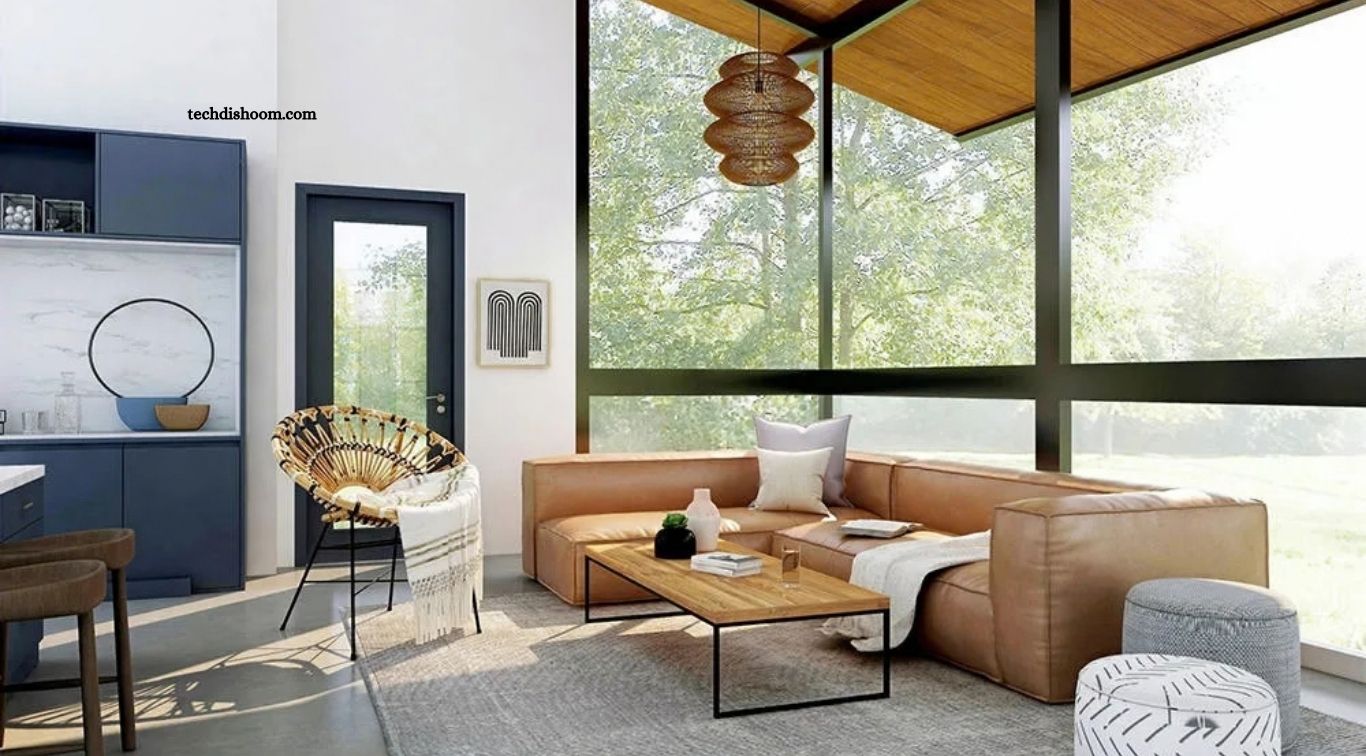
A well-organized home can make everyday life easier, calmer, and more comfortable. When belongings have proper places and living spaces remain tidy, daily tasks become simpler and less stressful. Home organization is not about creating a perfect house; it is about building practical systems that support your lifestyle and make your surroundings easier to manage.
Simple organization habits can improve how you use every room in your home. From reducing clutter and organizing storage to creating useful routines, small changes can make a noticeable difference. With consistent effort and realistic systems, you can create a home that feels cleaner, more functional, and more enjoyable.
Read More: Everyday Habits That Increase Happiness
Start With One Room
Trying to organize the entire home at once can quickly become overwhelming. Starting with one room allows you to focus your energy and see progress sooner. Choose an area that causes daily frustration, such as the kitchen, bedroom, living room, or entryway, and begin by identifying what needs improvement.
Working room by room also makes the organization process easier to manage. Once one space becomes functional, you can use the same approach in other areas. This creates steady progress without making home organization feel like an exhausting project.
Remove Unnecessary Clutter
Clutter can make even a clean home feel crowded and difficult to manage. Look carefully at the items you own and consider whether each one is useful, meaningful, or regularly used. Removing unnecessary belongings creates more available space and makes it easier to keep important items organized.
Decluttering does not require getting rid of everything you rarely use. Instead, focus on keeping items that serve a purpose or bring genuine value. Donate, recycle, sell, or responsibly discard belongings that no longer fit your current needs and lifestyle.
Give Everything a Home
One of the simplest home organization tips is to assign a specific place to every frequently used item. When belongings have designated storage locations, putting things away becomes faster and more natural. This also reduces the chances of objects collecting on tables, floors, counters, and other open surfaces.
Storage locations should be practical and easy to access. Items used every day should remain within convenient reach, while seasonal or rarely used belongings can be stored in less accessible areas. A practical system is easier to maintain than one that looks attractive but requires unnecessary effort.
Organize Your Entryway
The entryway is often the first place where clutter appears because it receives shoes, bags, coats, keys, mail, and other everyday items. Creating dedicated spaces for these belongings can prevent clutter from spreading into other rooms. Hooks, baskets, shelves, and small storage containers can help keep the area functional.
An organized entryway can also make leaving and returning home easier. Keep commonly used items in convenient locations and avoid storing unnecessary belongings near the entrance. A simple system can save time while creating a cleaner and more welcoming first impression.
Improve Kitchen Organization
The kitchen becomes easier to use when frequently needed items are easy to find. Group similar belongings together, such as cooking tools, baking supplies, spices, food containers, and cleaning products. Keeping related items in logical locations reduces searching and makes meal preparation more efficient.
Kitchen cabinets and drawers should also be reviewed regularly. Remove expired food, duplicate tools, and containers without matching lids. Using drawer dividers, shelf organizers, and clear containers can make available storage more useful without requiring major changes to the kitchen.
Keep Your Bedroom Calm
A well-organized bedroom can create a more comfortable environment for relaxation and sleep. Keep clothing, accessories, books, and personal belongings in designated locations instead of allowing them to accumulate on chairs, floors, or bedside surfaces. Clear surfaces can make the room feel more peaceful.
Your bedroom organization should support your daily routine. Keep frequently used clothing accessible and store seasonal items separately when possible. Limiting unnecessary objects around the bed can also reduce visual distractions and help create a more relaxing atmosphere.
Organize Your Closet
Closet organization becomes easier when clothing is grouped according to type, season, or frequency of use. Keep everyday clothing within easy reach and place occasional items in less accessible areas. Consistent folding or hanging methods can also help maximize available space.
Regular closet decluttering prevents storage areas from becoming overcrowded. If clothing no longer fits, remains unused, or does not suit your current lifestyle, consider whether keeping it is worthwhile. A smaller collection of useful clothing can make choosing outfits faster and simplify daily routines.
Use Vertical Storage
Vertical space is often overlooked in home organization. Walls, tall shelves, cabinet doors, and other unused areas can provide additional storage without taking valuable floor space. Vertical organization can be particularly useful in small homes, apartments, kitchens, bathrooms, and home offices.
The goal is to use vertical storage without making rooms feel crowded. Frequently used items should remain within safe and convenient reach, while higher areas can hold seasonal or less frequently needed belongings. Thoughtful placement can increase storage capacity while maintaining an open appearance.
Organize the Bathroom
Bathrooms often contain many small products that can quickly create clutter. Group similar items together and use drawers, baskets, containers, or shelf organizers to keep products separated. Everyday essentials should remain easy to reach, while backup supplies can be stored elsewhere.
Regular bathroom organization also involves checking product expiration dates and removing items that are empty or no longer useful. Keeping counters mostly clear makes cleaning easier and creates a more organized appearance. Simple storage systems can make morning and evening routines smoother.
Create a Functional Home Office
A well-organized home office can improve focus and make work tasks easier to manage. Keep essential equipment, documents, stationery, and technology in designated locations. A clear desk provides more working space and reduces distractions during important tasks.
Digital organization is also important in a home office. Organize computer files, emails, passwords, and documents using clear systems that are easy to maintain. Combining physical and digital organization can create a more efficient workspace and reduce time spent searching for information.
Use Storage Baskets and Containers
Storage baskets and containers can make open shelves, cabinets, closets, and drawers easier to organize. They work especially well for grouping small or similar items together. Labeling containers can make it easier for everyone in the household to find and return belongings.
Choose storage solutions based on the space and items being stored. Oversized containers can waste space, while very small containers may create unnecessary complexity. Practical storage should make organization easier rather than adding another system that requires constant maintenance.
Organize Important Documents
Important documents should have a dedicated and secure storage location. Financial records, identification documents, warranties, property information, and other important paperwork can be organized using labeled folders or secure digital storage. A consistent system makes important information easier to locate when needed.
Review documents periodically to prevent unnecessary paperwork from accumulating. Keep records that are important for financial, legal, household, or personal purposes and dispose of outdated material responsibly. Digital backups can provide additional protection for documents that would be difficult to replace.
Create a Cleaning Routine
Organization becomes much easier when cleaning and tidying are part of a regular routine. Instead of waiting until the home becomes difficult to manage, spend a small amount of time each day returning items to their proper locations. Consistency prevents small messes from becoming larger tasks.
Cleaning routines should match your schedule and lifestyle. A short daily reset, combined with deeper weekly or monthly cleaning, can keep the home manageable without requiring long cleaning sessions. Flexible routines are more sustainable because they can adapt to busy days and changing responsibilities.
Organize Children’s Spaces
Children’s rooms and play areas can become cluttered quickly, so simple organization systems are especially useful. Use accessible storage for toys, books, clothing, and school supplies so children can learn where their belongings belong. Clear categories can make cleaning easier and encourage independence.
Organization systems should be realistic for children’s ages and abilities. Storage that is too complicated may not be used consistently. Simple baskets, shelves, labels, and designated spaces can help children participate in keeping their rooms organized while developing useful habits.
Make the Living Room More Functional
The living room often serves multiple purposes, including relaxation, entertainment, socializing, and family activities. Keeping frequently used items organized can make the space more comfortable and adaptable. Remote controls, books, blankets, electronics, and decorative items should have practical storage locations.
Avoid filling every available surface with decorations or belongings. Leaving some open space can make the room feel larger and easier to maintain. Furniture with built-in storage can also provide practical solutions without adding unnecessary visual clutter.
Keep Cables and Electronics Organized
Cables can create unnecessary visual clutter and become difficult to manage when multiple devices share the same space. Use simple cable management solutions to group cords and keep them away from walking areas. Labeling cables can also make it easier to identify devices when needed.
Electronics should be stored according to how frequently they are used. Remove old devices, unused chargers, and duplicate accessories that no longer serve a purpose. Keeping technology organized can improve both the appearance and functionality of your home.
Make Use of Underused Spaces
Many homes contain storage opportunities under beds, inside cabinets, behind doors, or in unused corners. Identifying these areas can help increase storage without making major changes. Under-bed containers, door organizers, corner shelves, and compact storage solutions can make overlooked spaces more useful.
Before adding storage, consider whether the items being stored are genuinely necessary. Using every available space for belongings can eventually create more clutter. The goal is to improve organization while maintaining enough open space for comfortable living.
Develop a Family Organization System
Home organization works better when everyone understands the same basic system. Family members can share responsibility for returning belongings, maintaining common spaces, and completing regular household tasks. Clear expectations make it easier to prevent clutter from becoming one person’s responsibility.
Organization systems should be simple enough for everyone to follow. Assigning specific storage areas and household responsibilities can improve cooperation and reduce confusion. When organization becomes a shared habit, maintaining a tidy home requires less individual effort.
Avoid Over-Organizing
Too many containers, labels, and complicated systems can make home organization harder instead of easier. An effective system should save time and simplify daily routines. If putting something away takes several steps, the system may not be practical enough for regular use.
Focus on organization methods that naturally fit your habits. You do not need to create a complicated system for every drawer or cabinet. Sometimes the most effective solution is simply reducing possessions and giving frequently used items an obvious place.
Make Organization a Daily Habit
Daily organization prevents clutter from accumulating and reduces the need for major cleaning sessions. Spend a few minutes returning items to their proper locations, clearing surfaces, and preparing commonly used spaces for the next day. Small actions can create noticeable long-term improvements.
Consistency is more important than perfection. Some days will be busier than others, and maintaining a completely organized home is not always realistic. Returning to your basic routines when life becomes less hectic can help keep your home manageable without unnecessary pressure.
Create a More Comfortable Home
Home organization should ultimately support comfort and quality of life. A tidy environment can make everyday activities easier by reducing unnecessary searching, improving access to belongings, and creating more usable space. The best organization system is one that makes your home work better for you.
Every home has different needs, layouts, routines, and storage limitations. Instead of following complicated organization trends, focus on solutions that fit your lifestyle. Practical choices, regular decluttering, and simple routines can create a home that feels comfortable, functional, and easier to maintain.
Frequently Asked Questions
Why is home organization important?
Home organization reduces clutter, saves time, improves functionality, and creates a more comfortable living environment.
How can I start organizing my home?
Start with one room, remove unnecessary items, and give frequently used belongings designated storage locations.
How often should I declutter my home?
Regularly review your belongings every few months to remove items that are unused, damaged, outdated, or unnecessary.
How can I organize a small home?
Use vertical storage, under-bed containers, multifunctional furniture, and clearly organized cabinets to maximize available space.
How can I keep my home organized?
Create simple daily routines for returning items, clearing surfaces, and maintaining frequently used areas.
Can home organization reduce stress?
Yes, an organized home can reduce visual clutter, simplify daily tasks, and create a calmer and more comfortable environment.
Conclusion
Home organization can improve everyday living by creating cleaner, more functional, and more comfortable spaces. Simple steps such as reducing clutter, assigning storage locations, organizing rooms, using practical containers, and creating regular routines can make daily tasks easier. The goal is not perfection but a home environment that supports your needs. Long-term organization comes from habits that are realistic and easy to maintain.
