

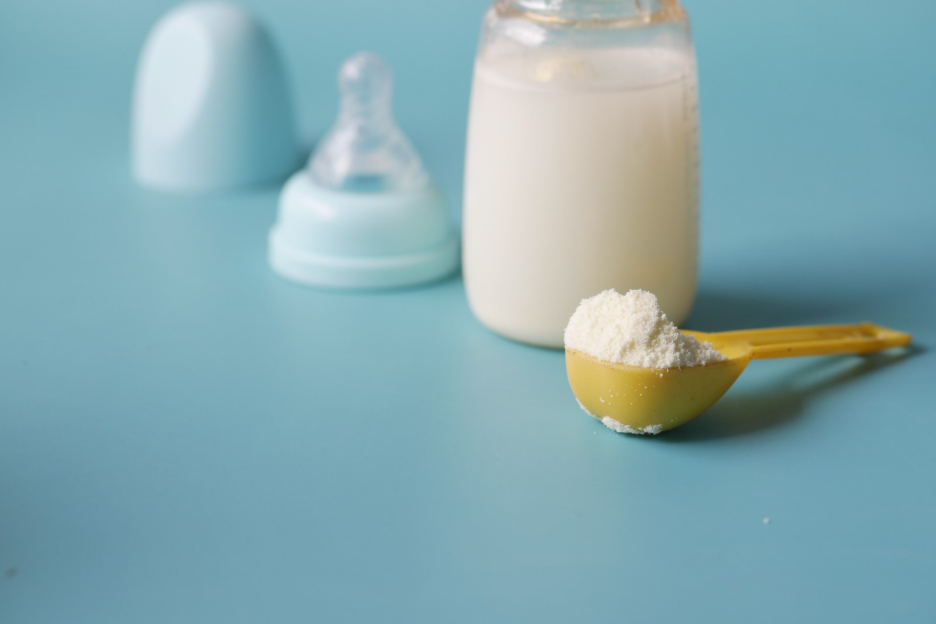
Stand in the formula aisle for more than a minute, and you’ll feel it, that specific overwhelm of dozens of tubs promising to be “closest to breast milk,” “gentle,” “premium,” all stacked next to each other with no obvious way to tell them apart. Most parents leave that aisle more confused than when they walked in. It doesn’t have to work that way.
The question of which milk is best for a baby really comes down to your specific baby, not a single universally “best” answer, and once you know what actually matters, the aisle gets a lot less intimidating.
There’s No Universal “Best” Formula
This is the first thing worth accepting. A pediatrician’s own advice on how to choose the right baby formula for your baby puts it simply: rather than searching for the perfect formula, the more useful goal is choosing one that’s safe, nutritionally complete, and works well for your particular baby. Most healthy infants genuinely thrive on standard formulas, and a lot of what marketing highlights as a meaningful difference matters far less than the packaging suggests.
Ignore the Front of the Label
Genuinely useful advice here: you can mostly ignore the front of the formula container. Protein, carbohydrates, and fat make up the vast majority of what’s actually in infant formula, and protein and carbohydrate type have the biggest impact on how comfortably your baby digests it. The badges and buzzwords plastered across the front are mostly competing marketing claims, not meaningful nutritional differences.
Regulation Means the Baseline Is Already High
Whatever formula you pick from a reputable retailer, it’s going to meet a strict nutritional bar. Formulas sold through regulated markets follow standardized guidelines ensuring the right balance of protein, carbohydrates, fat, and other nutrients your baby actually needs. That baseline safety net means you’re choosing between good options, not gambling on whether a given formula is nutritionally adequate.
Types Worth Knowing About
Standard cow’s milk-based formulas suit most healthy, full-term babies just fine. Partially or extensively hydrolyzed formulas break proteins down into smaller pieces, which is useful for babies with a diagnosed cow’s milk protein allergy or a sensitive digestive system. Soy-based and lactose-free options exist for specific situations, too, though they’re not automatically the right substitute for every baby who seems uncomfortable; it’s worth confirming with a pediatrician before assuming which category actually fits.
Watch for Real Signs, Not Just General Fussiness
Some fussiness and gas are completely normal for any formula-fed baby; that’s not automatically a sign you picked wrong. Persistent feeding difficulties, poor weight gain, blood in the stool, severe eczema, or ongoing vomiting are the signs that are actually worth flagging to a pediatrician before switching formulas on your own.
Finding the Right Fit Is Often Trial and Error
This is worth hearing plainly: a comprehensive guide to choosing formula for your baby points out that finding the right fit for your individual baby is genuinely often a process of trial and error, not a single correct answer you’re supposed to know upfront. If your baby has a known allergy or specific concern, start with a formula built for that issue. Otherwise, pick one that fits your budget and preferences, and watch how your baby actually tolerates it over the following days.
Switching Formulas the Right Way
If a change genuinely seems necessary, do it gradually rather than all at once. Mixing small amounts of the new formula with the old one, slowly increasing the new formula’s share over several days, helps avoid upsetting your baby’s stomach with an abrupt full switch.
Powder, Liquid Concentrate, or Ready-to-Feed
Beyond ingredients, formula comes in different physical forms. Powder is typically the most affordable and has the longest shelf life once opened. Liquid concentrate needs diluting, but mixes predictably. Ready-to-feed is the most convenient, with no mixing at all, but it costs more and tends to get reserved for travel or situations where convenience genuinely outweighs the price difference.
Avoid Homemade Formula Entirely
Worth stating clearly: making your own formula at home isn’t a safe substitute, however tempting it might sound. It can lead to serious nutrient imbalances and real health risks, since replicating the precise, regulated balance infant formula requires isn’t something that translates safely to a home recipe.
When in Doubt, Call Your Pediatrician
If you’re genuinely stuck choosing, or your baby’s showing symptoms that concern you, your pediatrician remains the best resource for guidance tailored to your specific child, not a general recommendation pulled from a parenting forum or a product review.
Confidence Over Perfection
The formula aisle feels overwhelming because it’s designed to, with dozens of competing claims all vying for your attention at once. Strip away the marketing, focus on protein and carbohydrate type, watch how your baby actually responds, and loop in your pediatrician when something feels genuinely off. That’s a far more reliable path than trying to find the one “perfect” formula that doesn’t actually exist.
This piece offers general information, not medical advice. Always consult your pediatrician about what’s right for your baby’s specific needs.
