

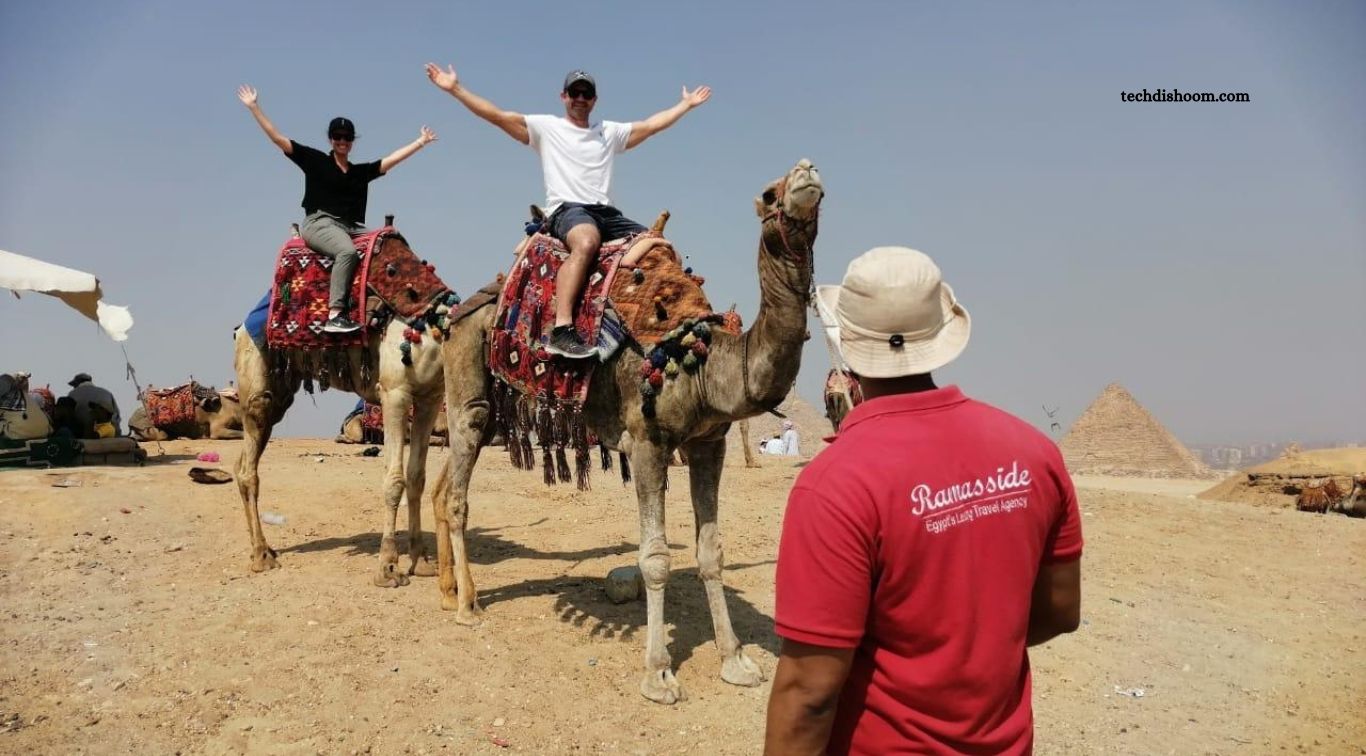
Travel becomes more meaningful when it goes beyond famous landmarks and popular tourist attractions. Exploring local traditions, tasting regional dishes, learning traditional crafts, and participating in cultural celebrations help travelers understand the people and communities behind each destination. These experiences create lasting memories while offering a deeper appreciation of the world’s diversity.
Every country has its own customs, history, art, music, and everyday traditions worth discovering. Whether you are visiting a historic European city, exploring a traditional Asian village, or traveling through the vibrant communities of Africa and Latin America, cultural activities can make your journey more rewarding. Here are some cultural experiences every traveler should try for a richer and more memorable adventure.
Read More: Sustainable Travel Tips for Responsible Tourism
Taste Authentic Local Food
Local food offers one of the easiest and most enjoyable ways to understand a destination’s culture. Traditional dishes often reflect a region’s history, climate, agricultural practices, and family traditions. From Italian pasta and Japanese sushi to Mexican tacos and Pakistani biryani, regional cuisine introduces travelers to distinctive ingredients and cooking methods.
Visit neighborhood restaurants, local markets, and family-run food stalls to discover flavors that may be missing from international menus. Ask residents for recommendations and consider joining a cooking class to learn how traditional meals are prepared. Always respect local dining customs and communicate any dietary restrictions before ordering unfamiliar dishes.
Attend Traditional Festivals and Celebrations
Traditional festivals bring communities together through music, dancing, religious ceremonies, costumes, and regional food. Events such as India’s Diwali, Brazil’s Carnival, Thailand’s Songkran, and Mexico’s Day of the Dead reveal different ways communities celebrate their history, beliefs, and shared identity.
Before attending a festival, research its meaning, schedule, and visitor guidelines. Some celebrations welcome public participation, while others include private or sacred ceremonies that require greater sensitivity. Dress appropriately, follow local instructions, and ask permission before photographing people. Respectful participation helps travelers enjoy these events while recognizing their cultural importance.
Explore Historic Sites and Ancient Architecture
Historic buildings and archaeological sites offer valuable insights into the civilizations that shaped modern societies. Ancient temples, royal palaces, traditional homes, forts, and historic city centers reveal how people lived, worshipped, traded, and organized their communities. Architecture also reflects the materials, artistic styles, and engineering knowledge available in different periods.
Consider exploring these places with a knowledgeable local guide who can explain the stories behind the structures. Visit museums or read historical information before your trip to better understand what you see. Follow preservation rules, avoid touching fragile objects, and stay within designated areas to help protect cultural heritage for future generations.
Learn Traditional Arts and Handicrafts
Traditional arts and handicrafts allow travelers to discover the creativity and skills passed between generations. Pottery, weaving, embroidery, wood carving, calligraphy, basket-making, and textile printing are examples of crafts that reflect local materials and cultural identity. Many communities continue these practices as both artistic traditions and sources of income.
Join a workshop led by a local artisan to learn basic techniques and understand the effort behind handmade products. Purchasing authentic crafts directly from makers can also support traditional skills and local livelihoods. Ask about the materials and production methods, and choose items that are responsibly made rather than products that exploit cultural symbols or protected resources.
Experience Traditional Music and Dance
Music and dance often communicate cultural stories, historical events, emotions, and community values. Flamenco in Spain, classical Indian dance, Irish folk music, and traditional West African drumming demonstrate the remarkable variety of performance traditions found around the world. Each style has its own rhythms, movements, instruments, and cultural context.
Attend a local performance, music festival, or community event to experience these traditions firsthand. Some destinations also offer beginner-friendly dance or music lessons for visitors. Learning a few basic steps or rhythms can make the experience more interactive, but remember that certain performances may have religious or ceremonial significance and should be approached with appropriate respect.
Visit Local Markets and Traditional Bazaars
Markets provide a lively introduction to everyday life in a destination. Vendors sell fresh produce, spices, handmade crafts, textiles, household goods, and regional specialties. Exploring these spaces reveals local shopping habits, food traditions, bargaining customs, and the relationships between residents and small businesses.
Take your time walking through the stalls, observe how transactions work, and ask sellers about unfamiliar products when they are available to talk. Markets can also be excellent places to sample local snacks or purchase practical souvenirs. Bargain politely where negotiation is customary, avoid photographing people without permission, and support vendors who offer genuine locally made products.
Stay in a Traditional Guesthouse or Homestay
Accommodation can provide a cultural experience beyond simply offering a place to sleep. Traditional guesthouses, family-run lodgings, and responsible homestays allow travelers to experience local architecture, hospitality, household routines, and regional meals. These stays can also provide opportunities to learn about community life directly from residents.
Choose accommodation that respects the privacy, safety, and rights of both guests and hosts. Ask about household customs, meal arrangements, and any expectations before arrival. Be considerate of noise levels, dress appropriately for shared spaces, and remember that your hosts are not obligated to act as tour guides. A respectful stay can create meaningful connections and a better understanding of local life.
Learn Basic Words in the Local Language
Learning a few words in the local language can make travel interactions more welcoming and rewarding. Simple expressions such as hello, please, thank you, excuse me, and goodbye show that you are making an effort to communicate respectfully. Even basic language skills can help when ordering food, asking directions, or speaking with shopkeepers.
Practice pronunciation before your trip and learn phrases that are useful in everyday situations. Translation applications can help with more complicated conversations, but they should support rather than replace respectful communication. If someone speaks a language you do not understand, be patient and avoid assuming that everyone is comfortable speaking English or another widely used language.
Discover Local Religious and Spiritual Traditions
Religious buildings and spiritual traditions can help travelers understand the values and histories of different communities. Mosques, churches, temples, monasteries, shrines, and other sacred spaces often feature distinctive architecture, artwork, ceremonies, and community activities. Visiting them can offer insight into how faith influences daily life and cultural identity.
Research visitor guidelines before entering a sacred place. Depending on the location, you may need to cover your shoulders or legs, remove your shoes, remain quiet, or avoid photography. Participation in worship should never be assumed, and private ceremonies should be respected. Approach religious traditions with curiosity rather than judgment, recognizing that beliefs and practices vary widely.
Take Part in a Traditional Cooking Class
A traditional cooking class combines food, history, and practical learning in one experience. Local instructors may explain how regional ingredients are selected, why particular spices are used, and how recipes have developed over time. Cooking together also creates opportunities to exchange stories and discover the importance of meals in family and community life.
Look for classes run by local cooks, culinary schools, or community-based organizations. Choose a session that suits your dietary needs and interests, whether you want to prepare handmade pasta, fresh dumplings, traditional curries, or regional desserts. Afterward, recreate the dish at home to preserve the memory of your trip and share a part of the destination’s culinary culture.
Explore Museums and Cultural Centers
Museums and cultural centers preserve objects, artworks, photographs, historical records, and personal stories that explain a community’s past and present. They can introduce travelers to local languages, traditional clothing, political history, artistic movements, and social changes that might otherwise be difficult to understand during a short visit.
Choose museums that match your interests, but remain open to exhibits about unfamiliar subjects. Audio guides and guided tours can help explain important details, while smaller community museums may offer perspectives that larger institutions overlook. When learning about Indigenous communities or contested historical events, consider who created the exhibits and whether local voices are represented fairly.
Experience Rural Life and Community Traditions
Traveling beyond major cities can reveal cultural practices closely connected to farming, fishing, crafts, and seasonal activities. Rural communities may maintain traditional building methods, food preservation techniques, folk music, agricultural festivals, and local celebrations that differ from urban life.
Choose responsible experiences organized with community participation and clear benefits for residents. Ask before photographing private homes, farms, or family activities, and follow any safety instructions. Avoid treating local people as attractions or expecting them to demonstrate traditions on demand. The most rewarding experiences involve mutual respect, genuine interest, and an understanding that communities have their own priorities and routines.
Wear Traditional Clothing Respectfully
Traditional clothing often reflects a region’s climate, craftsmanship, history, and social customs. Examples include the Japanese kimono, Indian sari, Scottish kilt, and Pakistani shalwar kameez. Exploring these garments can introduce travelers to distinctive fabrics, embroidery, patterns, and methods of wearing clothing.
If you want to try traditional attire, ask a knowledgeable local shopkeeper, guide, or host for advice about suitable occasions and correct styling. Some garments have ceremonial, religious, or social significance, so wearing them casually may not always be appropriate. Purchase clothing from reputable local artisans when possible, and avoid costumes that turn sacred or culturally meaningful items into stereotypes.
Join a Guided Cultural Walking Tour
A cultural walking tour can reveal details that travelers might miss when exploring independently. Local guides often share stories about neighborhood development, traditional businesses, historic buildings, public art, food customs, and important community figures. Walking also allows visitors to observe how people use public spaces and move through daily life.
Choose a guide or tour operator with strong local knowledge and a respectful approach to residents. Small-group tours may allow more time for questions and conversation. Wear comfortable shoes, check the route and accessibility requirements, and ask permission before photographing individuals. A thoughtful walking tour can connect historical information with the living culture of a destination.
Shop for Authentic Local Souvenirs
Souvenirs can serve as lasting reminders of a journey, especially when they reflect genuine local craftsmanship. Handmade ceramics, textiles, artwork, regional spices, traditional musical instruments, and locally produced foods can help travelers remember the places and people they encountered. Buying directly from artisans may also contribute to local economic activity.
Before purchasing an item, ask where it was made and whether the seller can explain its materials or cultural significance. Avoid products made from protected wildlife, illegally collected artifacts, or materials restricted by international trade rules. Choose practical items you will use or display rather than buying large quantities of mass-produced goods that provide little benefit to local communities.
Tips for Enjoying Cultural Experiences Responsibly
Responsible cultural travel begins with preparation and an open mind. Research local etiquette, appropriate clothing, photography rules, and public behavior before arriving. Learn a few useful phrases, carry local currency when practical, and remain flexible when traditions or schedules differ from what you expect. Small gestures of respect can make interactions more comfortable for everyone.
Support local businesses, follow community guidelines, and ask questions politely instead of making assumptions. Remember that no single person represents an entire culture, and traditions can vary between regions, generations, and families. Be willing to listen, acknowledge differences, and accept when an activity or location is not open to visitors. Respectful travel creates better experiences for travelers and host communities alike.
Frequently Asked Questions
What are cultural experiences in travel?
Cultural experiences include local food, festivals, traditional arts, historic sites, music, religious customs, and everyday community activities.
How can I experience local culture while traveling?
Visit local markets, join community-led tours, attend public festivals, try traditional dishes, and learn basic phrases in the local language.
Why are cultural experiences important for travelers?
They help travelers understand local traditions, appreciate different perspectives, support communities, and create more meaningful memories.
How can I respect local customs during a trip?
Research local etiquette, dress appropriately, ask permission before taking photographs, and follow guidance at cultural or religious sites.
Are cultural experiences suitable for budget travelers?
Yes. Markets, public festivals, neighborhood walks, free museums on selected days, and conversations with residents can offer affordable experiences.
How can I support local communities through cultural travel?
Choose locally owned accommodation, purchase authentic crafts, book responsible community-led tours, and follow local rules and traditions.
Conclusion
Cultural experiences every traveler should try include tasting local food, attending traditional festivals, exploring historic sites, learning handicrafts, enjoying regional music, and connecting with local communities. These activities provide a deeper understanding of the people, traditions, and stories that make each destination unique. The most meaningful cultural experiences do not always require expensive tours or elaborate itineraries. A conversation with a local artisan, a visit to a neighborhood market, or a meal prepared using a family recipe can become a treasured travel memory.
