

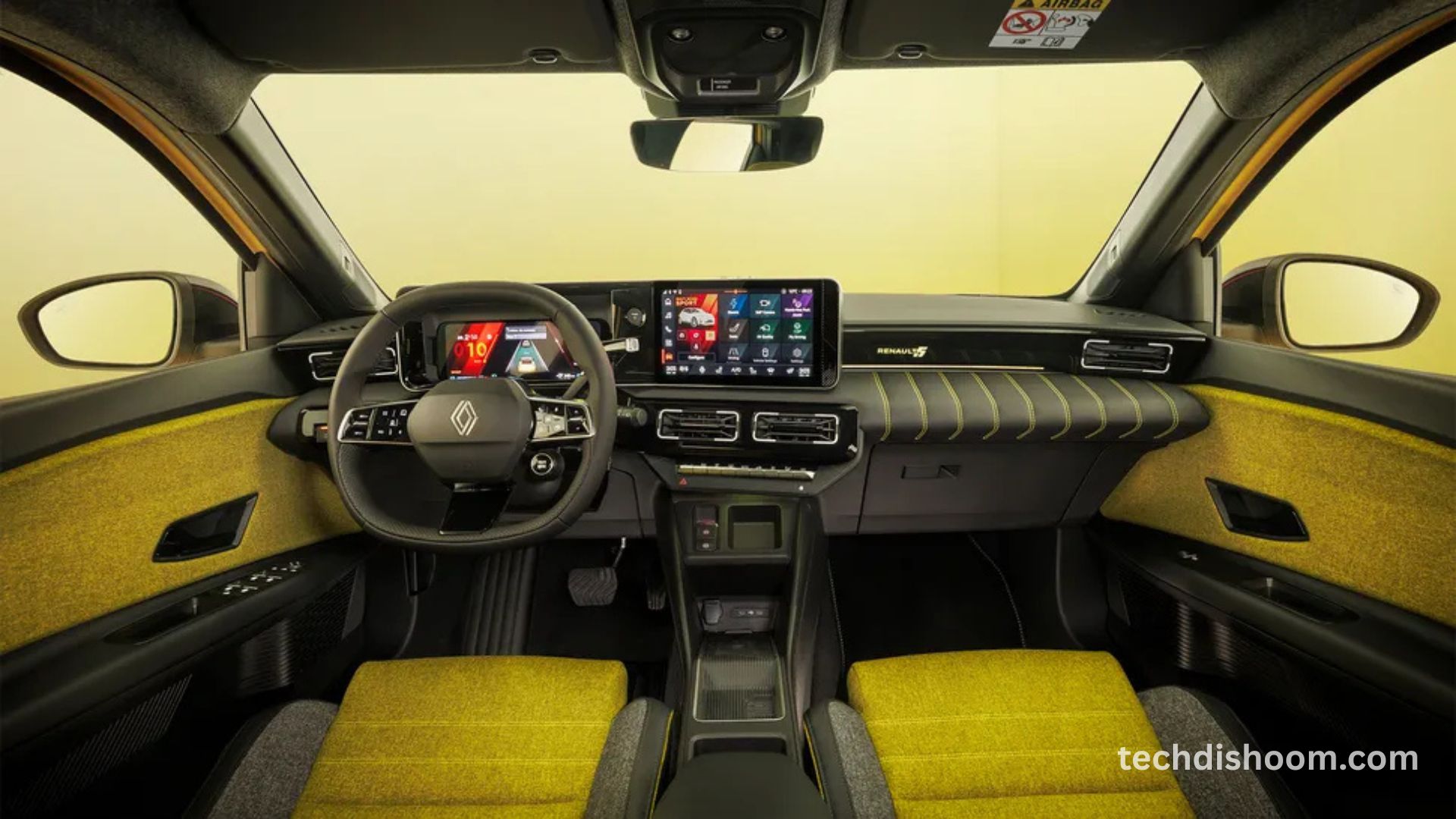
Google’s automotive ambitions are expanding far beyond navigation screens and infotainment dashboards. What began as a software platform designed to bring apps, maps, and voice assistants into vehicles is now evolving into something much more significant. Google’s Android Automotive system is increasingly being positioned as the central software platform capable of controlling and managing the deeper functions of modern vehicles. From battery performance and climate controls to safety systems and autonomous driving features, Android Automotive is gradually moving closer to becoming the “brain” of the car.
This shift reflects a larger transformation taking place across the global auto industry. Modern vehicles are no longer just mechanical machines; they are becoming highly connected computers on wheels. Automakers are racing to create smarter, more digital vehicles that rely on software for everything from entertainment to performance. As this transformation accelerates, Google’s role is also expanding. Instead of simply providing a dashboard interface, the company is aiming to become an essential part of how future vehicles operate, communicate, and respond to drivers in real time.
The Evolution of Android Automotive
Google first introduced Android Automotive as a built-in operating system for vehicles, different from Android Auto, which mirrors smartphone apps onto a car’s display. Android Automotive is installed directly into the vehicle itself and works independently of a phone. Initially, the platform focused on familiar features such as navigation, music streaming, voice commands, and access to Google services like Maps and Assistant.
Over time, however, the platform has become far more advanced. Automakers are increasingly integrating Android Automotive into the deeper layers of vehicle operation. Instead of only managing the entertainment screen, the software is now beginning to interact with core systems inside the car. This means Android Automotive is evolving from a convenience feature into a central control platform that can manage critical vehicle functions.
From Dashboard to Vehicle Control
The phrase “brain of the car” refers to the growing ability of Android Automotive to control and coordinate essential systems across the vehicle. Traditionally, cars have used multiple independent electronic control units, each responsible for a specific function such as braking, steering, climate control, or engine performance. These systems often operate separately and require different software environments.
Google and several automakers now want to simplify that complexity by creating a more unified platform. Android Automotive is increasingly being integrated with a vehicle’s main computing architecture, allowing it to control more functions from a single system. In practical terms, this could mean that the same software platform managing navigation and voice commands could also adjust suspension settings, monitor battery usage, optimize energy efficiency, and even support driver assistance technologies.
Why Electric Vehicles Need Better Software
The move toward electric vehicles is one of the biggest reasons why Android Automotive is becoming more important. Unlike traditional gasoline-powered vehicles, EVs rely heavily on software to manage nearly every aspect of their operation. Battery temperature, charging schedules, energy efficiency, range prediction, and power delivery are all controlled through digital systems.
Android Automotive can help simplify and improve these processes. For example, the system can use real-time navigation data to recommend charging stops, calculate energy usage based on traffic and terrain, and even prepare the battery before the car reaches a charging station. This deeper integration makes electric vehicles more convenient, more efficient, and easier to use for drivers.
Automakers Are Racing to Adopt the Platform
Automakers are increasingly interested in Google’s platform because modern vehicles require more software than ever before. Building a complete automotive operating system from scratch is expensive, time-consuming, and technically challenging. By adopting Android Automotive, manufacturers gain access to Google’s software expertise, ecosystem, and familiar user experience.
Companies including Volvo, Polestar, General Motors, and Renault have already embraced Android Automotive in different ways. These manufacturers see value in offering drivers familiar Google services while reducing the need to build every software feature internally. At the same time, they can still customize the design and feel of the system to match their own brand identity.
The Rise of Software-Defined Vehicles
The growing importance of Android Automotive is closely tied to the rise of software-defined vehicles. In the past, most car features were fixed at the factory and rarely changed afterward. Today, however, cars are increasingly behaving more like smartphones and computers, capable of receiving updates and new features long after they are sold.
A software-defined vehicle can improve over time through over-the-air updates. New features, bug fixes, performance improvements, and even entirely new driving functions can be added remotely without requiring a visit to the dealership. Android Automotive is particularly well suited for this approach because it is designed to support frequent updates and integration with cloud-based services.
Smarter Features for Drivers
For everyday drivers, the shift of Android Automotive from the dashboard to the center of the vehicle could bring several important benefits. Cars may become easier to use, more responsive, and more personalized. Drivers could enjoy smarter navigation, improved voice controls, better battery management, and more customized driving settings.
The software may also learn from a driver’s habits over time. It could automatically adjust seat settings, preferred climate temperature, music playlists, navigation routes, and charging preferences. This creates a more seamless and intelligent driving experience where the car feels more connected to the individual using it.
Real-Time Data Is Changing the Driving Experience
Modern connected vehicles generate a huge amount of real-time information while they are being driven. Sensors monitor everything from speed and location to road conditions, battery health, tire pressure, and weather changes. Android Automotive can collect and process this information to help the car make smarter decisions.
For example, the system could detect that traffic is heavy ahead and automatically suggest a faster route. In an electric vehicle, it could notice that battery levels are dropping faster than expected and recommend a nearby charging station. These capabilities make the driving experience more convenient while also improving efficiency and safety.
Competition in the Automotive Software Market
Google is not the only company trying to control the software inside future vehicles. Several major technology firms and automakers are competing to become the dominant platform provider for the next generation of cars. Apple is expanding its automotive ambitions through a more advanced version of CarPlay, while Tesla continues to rely on its own in-house software ecosystem.
Traditional automotive suppliers such as Bosch and Continental are also developing integrated software platforms. The competition is intense because whichever company becomes the “brain” of the car could influence everything from user experience and in-car purchases to future upgrades and customer data.
Privacy Concerns Are Growing
As Android Automotive becomes more deeply integrated into vehicles, concerns about privacy and data collection are also increasing. Connected cars generate large amounts of information, including driving habits, location history, vehicle performance, and even voice commands. Because Google already has significant experience collecting data through its other products and services, some critics worry about how much information could be gathered from drivers.
Questions remain about who owns this data, how it will be stored, and whether it could be shared with third parties. Many consumers want more control over what information is collected and how it is used. Governments and regulators may eventually introduce stricter rules to ensure that connected vehicle data remains private and secure.
Cybersecurity Will Become a Bigger Challenge
The more connected a vehicle becomes, the greater the risk of cybersecurity threats. If Android Automotive eventually controls critical systems inside the car, then protecting the platform from hackers becomes extremely important. A vulnerability in the software could potentially affect key vehicle functions, making cybersecurity one of the most important issues in the future of connected transportation.
Google and automakers say that strong safeguards are being built into Android Automotive. These include encrypted communications, secure software updates, and separate protection layers for safety-critical systems. However, experts warn that the battle against cyber threats will continue to grow as vehicles become more dependent on digital technology.
Android Automotive and Autonomous Driving
Android Automotive may also play a major role in the future of self-driving and semi-autonomous vehicles. Advanced driver assistance systems already rely on cameras, sensors, radar, and artificial intelligence to help cars stay in their lanes, avoid obstacles, and react to traffic conditions.
As vehicles become more autonomous, they will require a central platform capable of processing huge amounts of information in real time. Android Automotive could eventually coordinate navigation, sensor data, battery management, and driver monitoring within a single software environment. This would make it easier for automakers to build safer and smarter self-driving systems.
FAQs (Frequently Asked Questions)
What is Google Android Automotive?
It is a built-in operating system that allows cars to run Google services and vehicle functions directly.
How is Android Automotive different from Android Auto?
Android Auto mirrors a phone, while Android Automotive is installed directly inside the car itself.
Why is Android Automotive called the “brain” of the car?
Because it is beginning to control important systems like battery use, climate, navigation, and safety features.
Which car companies are using Android Automotive?
Several automakers, including Volvo, Polestar, General Motors, and Renault, already use the platform.
How does Android Automotive help electric vehicles?
It improves charging, battery management, route planning, and overall energy efficiency for EV drivers.
Are there privacy concerns with Android Automotive?
Yes, because the system can collect data such as driving habits, location history, and vehicle performance.
Can Android Automotive support self-driving cars?
Yes, experts believe it may eventually help manage sensors, AI, and autonomous driving functions.
What benefits does Android Automotive offer drivers?
It provides smarter navigation, personalized settings, voice controls, and regular software updates.
Conclusion:
Google’s Android Automotive is no longer limited to music, maps, and dashboard displays. It is rapidly evolving into a platform capable of controlling some of the most important functions inside modern vehicles. As automakers embrace software-defined and electric vehicles, Android Automotive is becoming a powerful tool for managing everything from performance and efficiency to driver assistance and connectivity.
This transition could fundamentally reshape the future of transportation. If Google succeeds, the company will not simply be providing software for the car’s screen—it may become the digital intelligence that powers the entire vehicle.
