

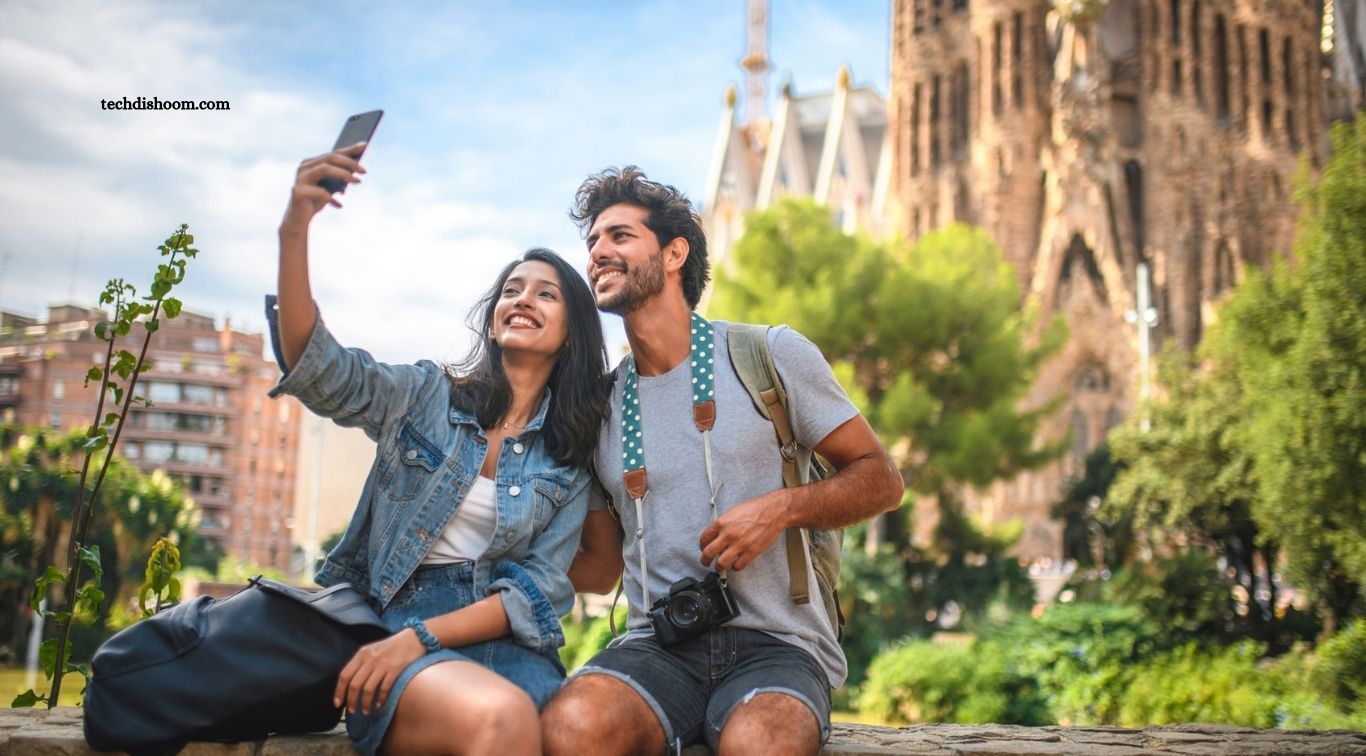
Traveling internationally offers opportunities to explore new cultures, discover beautiful destinations, and create unforgettable memories. However, visiting another country also requires preparation, awareness, and careful planning. Different laws, unfamiliar surroundings, language barriers, and unexpected situations can create challenges for travelers who are not prepared.
Following practical travel safety tips can help you protect your belongings, maintain your health, and respond confidently to unexpected problems. From securing important documents to choosing reliable transportation, a few simple precautions can make international trips safer and more enjoyable. Whether you are traveling alone, with family, or with friends, preparation is one of the best ways to enjoy your journey with peace of mind.
Read More: Cultural Experiences Every Traveler Should Try
Research Your Destination Before Departure
Before booking your trip, research the country you plan to visit, including local customs, safety conditions, transportation options, and entry requirements. Learn about areas that travelers should avoid, common scams, local laws, and cultural expectations. Understanding these details can help you make informed decisions and avoid unnecessary difficulties after arrival.
Check official government travel advisories and reliable local sources before departure and throughout your trip. Political conditions, weather events, public transportation disruptions, and health requirements can change quickly. Save important information offline so you can access it even when your phone has no internet connection.
Keep Your Passport and Travel Documents Secure
Your passport is one of the most important documents you need during international travel. Keep it in a secure location, such as a hotel safe when appropriate, and carry it in a concealed travel pouch when necessary. Avoid leaving your passport unattended in public places, restaurants, or shared transportation.
Make digital and physical copies of your passport, visa, travel insurance details, flight bookings, and other essential documents. Store copies separately from the originals and use secure digital storage for sensitive information. If your passport is lost or stolen, contact your country’s nearest embassy or consulate for guidance on obtaining emergency travel documentation.
Purchase Suitable Travel Insurance
Travel insurance can help protect you against unexpected expenses during an international trip. Depending on the policy, coverage may include emergency medical treatment, medical evacuation, trip cancellation, travel delays, and lost or stolen baggage. Reviewing these benefits before departure can help you understand what assistance may be available when problems occur.
Choose a policy that matches your destination, planned activities, trip duration, and personal circumstances. Read exclusions carefully, including restrictions related to pre-existing conditions, adventure sports, and travel disruptions. Keep your insurer’s emergency contact information accessible, and understand whether you need approval before receiving certain types of treatment.
Protect Your Money and Bank Cards
Carrying all your cash, bank cards, and important financial documents in one place can increase the risk of serious problems if your wallet is lost or stolen. Divide your money between secure locations and carry only what you reasonably need for the day. Use a money belt or concealed pouch when appropriate, especially in crowded tourist areas.
Notify your bank about international travel when required and check foreign transaction fees, withdrawal limits, and card security settings. Keep a backup payment method separate from your primary wallet. When using ATMs, choose machines in well-lit, secure locations, inspect them for suspicious attachments, and shield the keypad when entering your PIN.
Stay Aware of Your Surroundings
Situational awareness is an important part of staying safe abroad. Pay attention to the people and activities around you, especially in busy markets, train stations, nightlife districts, and popular tourist attractions. Avoid becoming so distracted by your phone, camera, or navigation app that you lose track of your surroundings.
If a situation feels uncomfortable, move toward a well-populated area or a staffed public location. Avoid displaying expensive jewelry, large amounts of cash, or valuable electronics unnecessarily. Staying alert does not mean being fearful throughout your trip; it simply means making thoughtful choices and recognizing potential risks before they become problems.
Use Reliable Transportation Services
Transportation safety can vary considerably between destinations. Research reputable taxi companies, official airport transfers, licensed ride-hailing services, and public transportation options before arrival. When using a ride-hailing application, confirm the driver’s name, vehicle details, and registration information before getting inside.
Keep track of your route and share trip details with someone you trust when appropriate. Avoid accepting unexpected rides from strangers, particularly at airports or outside nightlife venues. If you rent a vehicle, understand local traffic laws, insurance requirements, road conditions, and licensing rules before driving. Never assume that driving practices are the same as those in your home country.
Protect Your Phone and Digital Information
Your smartphone is useful for navigation, communication, payments, and accessing travel documents, making it an important device to protect. Set a strong screen lock, enable device tracking, install security updates, and back up essential information before departure. Avoid storing sensitive details in easily accessible notes or unsecured applications.
Be careful when connecting to public Wi-Fi networks in airports, hotels, cafés, and other shared spaces. Use trusted networks, avoid entering sensitive information on suspicious websites, and consider a reputable virtual private network when appropriate. Enable multifactor authentication for important accounts, and avoid using public computers for banking or other highly sensitive activities whenever possible.
Learn Local Laws and Cultural Customs
Every country has its own laws, social expectations, and cultural practices. Behaviors that are acceptable in one destination may be restricted or considered offensive in another. Research rules concerning photography, dress, alcohol, public behavior, religious sites, medications, and prohibited items before your journey.
Respecting local customs can help prevent misunderstandings and make interactions with residents more positive. Follow instructions from local authorities and ask reliable local sources when you are unsure about a rule. If you take prescription medication, verify that it is permitted in your destination and transit countries, and carry the required documentation when necessary.
Take Health Precautions Before Traveling
Health preparation is an important part of international travel safety. Check whether your destination recommends specific vaccinations, preventive medication, or other health measures. Consult a qualified healthcare professional or official travel health service well before departure, especially when visiting regions with particular disease risks or limited medical facilities.
Pack a basic first-aid kit, essential medications, and copies of prescriptions where appropriate. Keep medicines in their original labeled packaging when possible, and confirm that they can legally enter the countries you will visit. Drink safe water, practice good food hygiene, use insect protection where needed, and follow local health guidance to reduce avoidable risks.
Avoid Common Tourist Scams
Tourist scams can occur in popular destinations, particularly in crowded areas where visitors may be unfamiliar with local prices or procedures. Common examples include overpriced services, fake tour operators, misleading ticket sellers, distraction thefts, and requests for unexpected payments. Learning about scams associated with your destination can help you recognize warning signs.
Check prices before agreeing to services, use official ticket counters when possible, and verify tour operators through reputable sources. Be cautious if someone pressures you to make a quick decision or asks for unusual payment methods. If an offer seems suspicious, politely decline and move away rather than engaging in a prolonged argument.
Choose Safe Accommodation
Accommodation selection can influence your overall travel safety. Research hotels, hostels, guesthouses, or vacation rentals through reliable booking platforms and review recent guest feedback. Consider the surrounding neighborhood, transportation access, reception arrangements, and available security features rather than choosing solely on price.
After arrival, identify emergency exits, check that doors and windows lock properly, and learn how to contact staff if assistance is needed. Keep valuables secured and avoid sharing your room number or travel plans with strangers. When staying in a rental property, verify the address and check-in instructions before arrival, and use the platform’s official communication and payment systems.
Share Your Itinerary With Someone You Trust
Sharing your travel plans with a trusted person creates an additional layer of support during international trips. Provide your flight details, accommodation information, approximate schedule, and important contact numbers. You do not need to share every movement, but someone should know your general plans and how to reach you.
Agree on a reasonable check-in schedule, particularly if you are traveling alone or visiting remote areas. If your plans change significantly, send an update when it is safe and convenient. Consider sharing your live location with a trusted contact when appropriate, while reviewing privacy settings and limiting access to people you know.
Prepare for Emergencies and Unexpected Delays
Even well-planned trips can involve flight cancellations, lost luggage, illness, severe weather, or transportation disruptions. Prepare for these possibilities by keeping emergency contacts, insurance details, accommodation information, and backup payment options accessible. Save offline maps and essential documents in case internet access becomes unavailable.
Learn the local emergency number and identify the nearest suitable medical facility when you arrive. Know how to contact your embassy or consulate if your passport is lost or a serious emergency occurs. If a dangerous situation develops, follow instructions from local authorities and prioritize reaching a safe location rather than attempting to resolve everything independently.
Stay Safe When Traveling Alone
Solo travel provides freedom and flexibility, but it also requires additional awareness. Plan your arrival during reasonable hours when possible, research neighborhoods before booking accommodation, and choose reliable transportation. Keep your phone charged and let a trusted person know when you expect to arrive at a new destination.
Trust your instincts when interacting with strangers and avoid sharing detailed accommodation or itinerary information with people you have just met. If you go hiking, explore remote locations, or participate in adventure activities, understand the risks and inform someone about your plans. Choose organized activities with reputable providers when specialized equipment, local knowledge, or safety supervision is necessary.
Keep Your Belongings Safe in Crowded Places
Crowded tourist attractions, festivals, public transport, and busy shopping streets can create opportunities for pickpockets. Carry your bag securely, keep zippers closed, and place wallets and phones where they are difficult to access without your knowledge. Avoid putting valuables in open backpack pockets or leaving bags hanging unattended from chairs.
When possible, use bags with secure compartments and keep essential documents separate from everyday items. Be cautious if strangers create distractions, crowd you unnecessarily, or insist on helping with your belongings. If something goes missing, move to a safe location, contact the relevant authorities when necessary, and notify your bank or mobile provider if payment cards or devices are involved.
Check Weather Conditions and Natural Hazards
Weather and environmental risks can affect travel plans, particularly when visiting coastal regions, mountains, tropical destinations, or areas prone to extreme temperatures. Check forecasts before outdoor activities and pay attention to official warnings about storms, floods, wildfires, earthquakes, or other hazards relevant to your destination.
Pack suitable clothing, footwear, sun protection, and other equipment based on the season and planned activities. Follow local instructions when authorities issue evacuation or safety warnings. If you plan hiking, boating, skiing, or other outdoor adventures, use reputable operators, understand the activity’s difficulty level, and avoid taking unnecessary risks to maintain your schedule.
Be Careful With Social Media While Traveling
Sharing travel photos can be enjoyable, but posting real-time location details publicly may reveal where you are staying or when your accommodation is empty. Consider waiting until you leave a location before posting identifiable details. Review your account privacy settings and avoid sharing passport images, boarding passes, booking references, or other documents containing sensitive information.
Be cautious about accepting unexpected online invitations or meeting people whose identities you cannot reasonably verify. If you arrange to meet someone you know only online, choose a public place and inform a trusted person. Maintaining sensible digital boundaries can help you enjoy sharing your travel experiences without exposing unnecessary personal information.
Create a Practical International Travel Safety Checklist
A checklist helps ensure that important preparations are completed before departure. Confirm that your passport is valid, required visas are arranged, travel insurance is active, and flight and accommodation details are accessible. Check baggage restrictions, medication rules, local entry requirements, and any relevant health recommendations before leaving home.
Before departure, charge your devices, prepare backup payment methods, save emergency contacts, and download maps or travel documents for offline access. Once you arrive, review your surroundings, confirm transportation arrangements, and identify local emergency resources. Keeping these tasks organized reduces last-minute stress and gives you more time to enjoy your trip.
Frequently Asked Questions
How can I stay safe during an international trip?
Research your destination, protect your documents, use reliable transportation, maintain awareness of your surroundings, and keep emergency contacts accessible.
Should I carry my passport everywhere?
Requirements vary by country. Keep your passport secure, follow local identification laws, and carry an appropriate copy when the original is not necessary.
Is travel insurance necessary for international travel?
Travel insurance is strongly worth considering because it may help cover eligible medical emergencies, cancellations, delays, or lost belongings.
How can I protect my money while traveling abroad?
Separate cash and cards, use secure ATMs, keep a backup payment method, and avoid displaying valuable items unnecessarily.
What should I do if I lose my passport abroad?
Report the loss to the appropriate local authorities when required and contact your country’s nearest embassy or consulate for replacement guidance.
How can solo travelers improve their safety?
Choose reliable accommodation, plan transportation, share your itinerary with someone trusted, and avoid sharing personal details with strangers.
Conclusion
Travel safety tips for international trips can help travelers prepare for unfamiliar environments and handle unexpected challenges with greater confidence. Protecting important documents, researching local laws, purchasing suitable insurance, choosing reliable transportation, and maintaining digital security are essential steps toward a safer journey. No trip can be completely free of risk, but thoughtful preparation can reduce many common problems.

1 Comment
Pingback: Best Beach Destinations Around the World - TechDishoom