

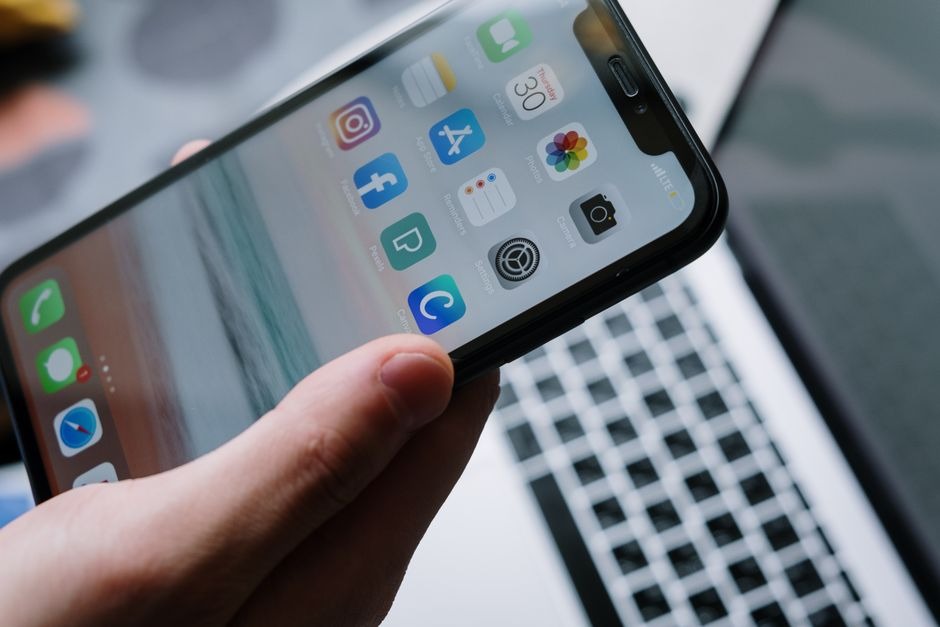
You’re on your phone, coffee in hand, trying to check a bet or withdraw a balance, and the app suddenly acts like you’re a stranger. “Service not available in your region.” “Access denied.” Or the classic: it just keeps loading and loading until you give up. Annoying? Yep. Random? Not really.
If you’re signing in through something like tamasha india login, it helps to understand that betting platforms don’t treat “login” as a simple username and password moment. They treat it as a compliance checkpoint. Every time. Sometimes quietly, sometimes with a hard stop.
This is how regional login restrictions work, why they exist, and what usually triggers them.
Regional restrictions are not one thing, they’re a stack of checks
Most people assume a platform looks at your IP address and decides. That’s part of it, but it’s rarely the whole story.
Betting operators typically combine several signals:
- IP location (where your internet connection appears to be)
- Device location (GPS or location services if you granted permission)
- Account details (address, country, state, KYC documents)
- Payment signals (bank country, card issuer region, wallet settings)
- Device fingerprints (patterns like device model, OS, browser settings)
- Behaviour flags (sudden location jumps, multiple logins, unusual sessions)
So even if one signal says “India,” another might say “not India,” and the system will default to caution. Betting companies would rather block a legit login than allow a risky one that causes regulatory trouble later.
Why platforms restrict logins by region in the first place
Licensing and legal exposure
Online betting is not regulated the same way everywhere. Some countries allow it with licences. Some restrict it heavily. Some are a patchwork where states matter more than the country, India being a good example depending on the product.
If a platform is not authorised in a jurisdiction, letting users log in from there can create legal and commercial risk. Payment partners get nervous. Regulators get loud. The platform gets penalised or blocked.
Payment and anti-fraud rules
Even if a market is “grey,” payment rails are not. Banks and processors monitor gambling transactions closely. If a platform sees mismatched regions, it can trigger fraud prevention systems.
A simple mismatch can look like money laundering, stolen cards, or account takeover. The platform’s risk team reacts accordingly, usually by restricting access until it’s clarified.
Responsible gambling controls
Some regions require specific tools, disclosures, age checks, or limits. Platforms often segment features by location so they do not accidentally offer the wrong product set to the wrong user base.
That segmentation starts at login.
How the platform decides where you are
IP geolocation: the obvious one
Your IP address gives a rough location. It’s not perfect, but it’s quick. Mobile networks can route traffic in weird ways, and some ISPs make you appear in a different city. Still, IP is the first gate for many platforms.
GPS and device location: more accurate, more sensitive
If the app has location permission, it can use GPS or device signals to confirm where you are. This is common in regulated markets, and it’s becoming more common elsewhere because it reduces fraud.
It also creates friction. If your phone location is off, or you denied permission, or you are on a device with location spoofing enabled, the app might refuse to proceed.
KYC address and documents: the long-term anchor
Your verified address is a strong signal. If your account is verified in one region and you suddenly appear in another, the system may ask questions.
This is also why some users get stuck when they move cities or change states and never update their profile properly. The platform sees inconsistency and clamps down.
Payment method region: the quiet giveaway
Cards and e-wallets carry regional metadata. If you are logging in from one place but using a payment method tied to another, that can trigger a restriction or a manual review.
Not always, but often enough to be a pattern.
Common scenarios that trigger “region not allowed” errors
You are travelling
You live in one region, you travel to another, and the app decides it cannot serve you there. This can happen even within the same country if the platform applies state-level restrictions.
It feels unfair because it is your account, your money, your device. But from the platform’s angle, your location changed, so the legal context might have changed too.
You are on a VPN or private DNS setup
VPNs are a big one. Some users run them for privacy, not to bypass anything. The platform does not care about your intentions. It sees a masked route and flags it.
Even some corporate networks can behave like VPNs. If you try logging in from an office Wi-Fi with strict routing, you might hit restrictions that never appear on mobile data.
Your phone settings are messy
Mock location, developer options, aggressive battery savers, outdated app versions, or denied permissions can cause location checks to fail. Then the platform blocks access, because a failed check looks similar to a spoofed check.
Your account is under review
Sometimes “regional restriction” is the polite message shown when the real issue is verification, risk review, or compliance checks. It is not always a pure geo-block. Platforms do this to avoid explaining internal risk rules.
What you should do when you hit a restriction (without making it worse)
Start with the boring fixes
- Turn off VPNs and try again.
- Switch networks: Wi-Fi to mobile data, or the other way around.
- Update the app.
- Check location permissions if the app uses them.
This solves a surprising number of cases because it removes false signals.
Check whether your region is actually supported
Look at the platform’s terms and restricted territories list. If your state or country is restricted, the correct move is to accept it, not fight the app. Trying to circumvent regional restrictions can violate terms and may lead to account limitation or closure, especially when withdrawals are involved.
If funds are involved, contact support early
If you have money in the account and you are blocked, do not keep hammering login attempts. Reach support through the official site and ask what they need: updated KYC, proof of address, travel explanation, whatever fits.
The calmer and cleaner your communication, the faster this usually gets resolved.
The real takeaway
Regional login restrictions aren’t a glitchy mood swing from the app. They’re the product of licensing rules, payment compliance, and fraud prevention layered together. The platform is constantly answering one question: “Is it safe and permitted to serve this user right now, from this location?”
Once you understand that, the frustration becomes more manageable. Not fun, but manageable. And if you set up your account properly, keep verification current, and avoid risky network setups when you need access, you’ll spend less time staring at an error screen and more time actually using the platform as intended.
