

The global automotive industry is facing a period of intense transformation, with legacy manufacturers and disruptive innovators navigating a rapidly changing landscape. Two major topics currently shaping industry discussions are the future of multi-brand strategies within large automotive groups and the ongoing evolution of self-driving technology. Recent debates around whether Stellantis should streamline its extensive portfolio of brands, alongside Elon Musk’s candid remarks about the challenges of autonomous driving, highlight the complexity of modern automotive decision-making.
As competition increases and technology evolves, automakers are being forced to rethink long-standing business models while investing heavily in future mobility solutions. The conversation around brand consolidation reflects economic pressures and shifting consumer preferences, while developments in self-driving vehicles showcase both technological ambition and real-world limitations. Together, these discussions provide valuable insight into the direction the automotive industry is heading, making them central topics in this week’s “Weekend Drive” analysis.
Stellantis and the Question of Brand Consolidation
Stellantis, one of the world’s largest automotive groups, manages a wide portfolio of brands, ranging from mass-market vehicles to luxury and performance segments. This diverse lineup includes well-known names that have strong historical identities and loyal customer bases. However, maintaining such a large number of brands presents challenges in terms of operational efficiency, marketing costs, and product differentiation.
Industry analysts have raised questions about whether Stellantis should consider reducing its number of brands to focus resources more effectively. Streamlining the brand portfolio could allow the company to concentrate on its strongest performers while eliminating redundancies. However, such a move also carries risks, particularly in losing brand heritage and customer loyalty that have been built over decades.
Economic Pressures Driving Strategic Decisions
The push for brand consolidation is largely driven by economic realities facing the automotive industry. Rising production costs, supply chain disruptions, and increasing investments in electric and digital technologies have placed significant financial pressure on manufacturers.
Stellantis, like many global automakers, must allocate resources carefully to remain competitive. Investing in electric vehicles, software development, and autonomous systems requires billions of dollars, making it difficult to sustain underperforming brands. This has led to discussions about optimizing the brand portfolio to improve profitability and long-term sustainability.
Balancing Heritage and Innovation
One of the biggest challenges in any brand consolidation strategy is balancing heritage with innovation. Many of Stellantis’ brands have deep historical roots and emotional connections with consumers. Eliminating or merging brands could result in backlash from loyal customers and enthusiasts.
At the same time, the automotive industry is moving toward a future dominated by electric and connected vehicles. Companies must adapt quickly to remain relevant, even if it means making difficult decisions about legacy brands. Finding the right balance between preserving history and embracing innovation is a critical challenge for Stellantis.
Elon Musk’s Admission on Self-Driving Technology
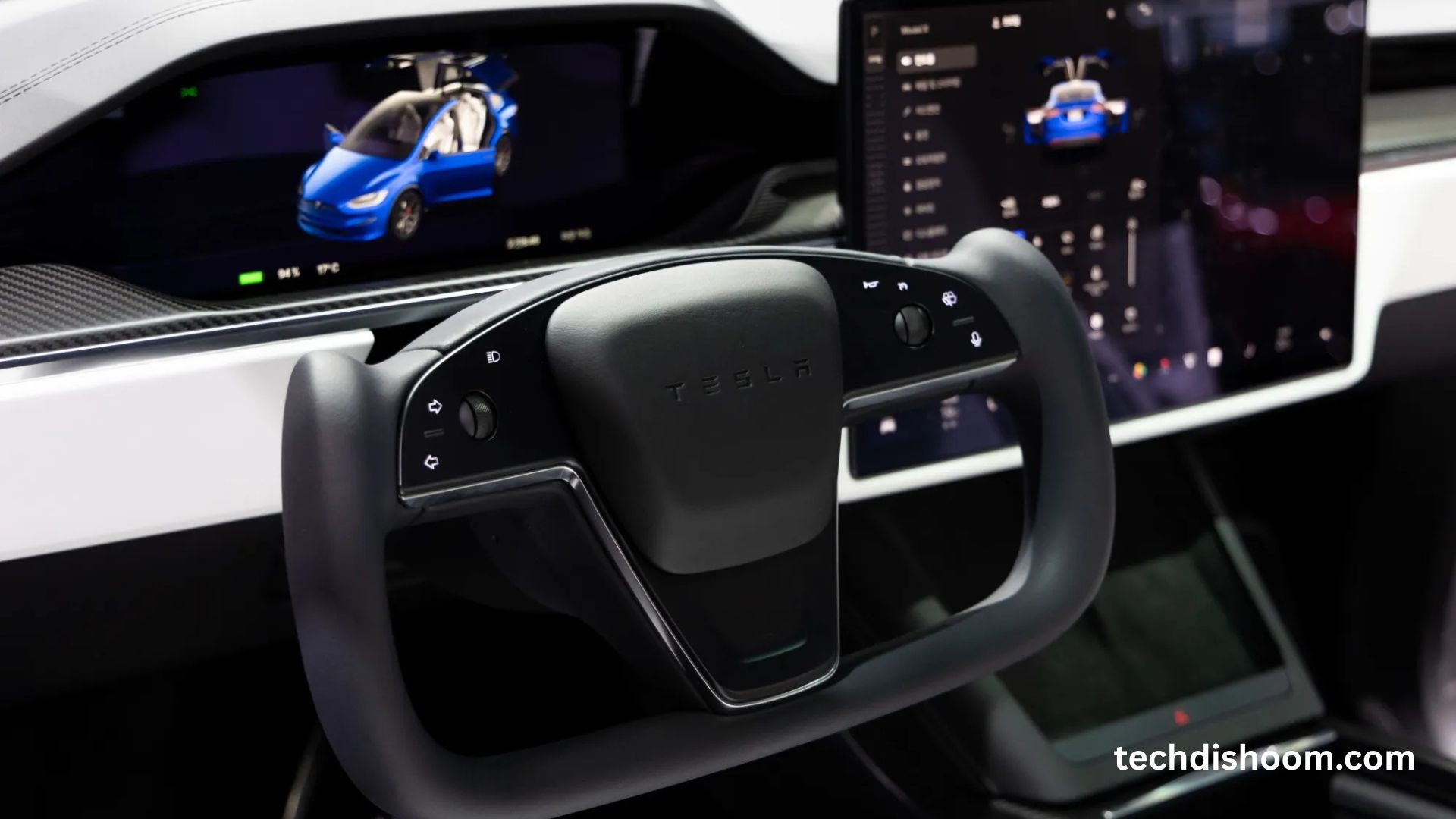
While traditional automakers focus on restructuring and efficiency, companies like Tesla continue to push the boundaries of technological innovation. Elon Musk recently acknowledged the challenges associated with achieving fully autonomous driving, offering a more realistic perspective on the progress of self-driving systems.
Musk’s comments highlight the complexity of developing reliable autonomous technology. Despite significant advancements, achieving full self-driving capability remains a difficult task that requires overcoming technical, regulatory, and safety challenges. This admission reflects a broader industry understanding that autonomous driving is still a work in progress.
The Reality of Autonomous Driving Development
Autonomous driving has long been seen as the future of transportation, promising safer roads and more efficient mobility. However, the reality is more complex than early projections suggested. Developing systems that can handle all driving conditions with complete reliability is a significant technological challenge.
Factors such as unpredictable road conditions, human behavior, and environmental variables make it difficult to create a fully autonomous system. While current technologies offer advanced driver assistance features, full autonomy remains a goal that has yet to be fully realized.
Investment in Self-Driving Technology
Despite the challenges, investment in self-driving technology continues to grow. Automakers and technology companies are investing heavily in research and development to improve sensors, artificial intelligence, and data processing capabilities.
These investments are essential for advancing autonomous systems and bringing them closer to practical implementation. However, the high costs associated with development also contribute to the financial pressures faced by companies like Stellantis, further emphasizing the importance of strategic resource allocation.
Consumer Expectations and Market Demand
Consumer expectations play a significant role in shaping both brand strategies and technological development. Modern car buyers are increasingly interested in advanced features such as connectivity, automation, and sustainability.
This shift in demand is influencing how automakers design their vehicles and allocate resources. Companies must ensure that their products meet evolving consumer expectations while maintaining competitive pricing and quality standards.
Competition in the Global Automotive Market
The global automotive market is more competitive than ever, with established manufacturers and new entrants vying for market share. Electric vehicle startups and technology companies are challenging traditional automakers, forcing them to innovate rapidly.
This competitive environment is driving both the brand consolidation debate and the push for advanced technologies like self-driving systems. Companies that fail to adapt risk losing their position in the market, making strategic decision-making more important than ever.
The Role of Technology in Shaping the Industry
Technology is at the core of the automotive industry’s transformation. From electric powertrains to autonomous systems, technological advancements are redefining how vehicles are designed, manufactured, and used.
For companies like Stellantis, investing in technology is essential for staying competitive. However, this also requires careful prioritization of resources, which may lead to difficult decisions regarding brand portfolios and business strategies.
Future Outlook for Stellantis
The future of Stellantis will depend largely on how it navigates the challenges of brand management and technological investment. While the company has a strong global presence and diverse portfolio, it must adapt to changing market conditions to maintain its competitive edge.
Whether Stellantis chooses to streamline its brands or maintain its current structure, the decision will have significant implications for its long-term strategy and position in the automotive industry.
Read More: Beijing Auto Show 2026: Intelligent Vehicles Take Center Stage
Future of Self-Driving Technology
The development of self-driving technology will continue to be a major focus for the automotive industry. While full autonomy may take longer than initially expected, incremental advancements are already improving safety and convenience for drivers.
Features such as adaptive cruise control, lane-keeping assistance, and automated parking are becoming increasingly common, paving the way for more advanced systems in the future. The journey toward full autonomy is ongoing, with continued innovation expected in the coming years.
FAQs (Frequently Asked Questions)
What is the Stellantis brand debate about?
It is about whether Stellantis should reduce or restructure its multiple car brands to improve efficiency and focus.
Why would Stellantis consider cutting brands?
To reduce costs, streamline operations, and invest more in future technologies like EVs and automation.
What did Elon Musk say about self-driving cars?
He admitted that achieving full self-driving technology is more complex and challenging than expected.
Are self-driving cars fully ready today?
No, current systems are advanced but still require human supervision and are not fully autonomous.
How does brand consolidation affect customers?
It can simplify choices but may also reduce brand variety and emotional connections for loyal buyers.
Why is the automotive industry changing so fast?
Because of electric vehicles, AI technology, competition, and changing consumer demands.
What challenges do self-driving vehicles face?
They face technical limits, safety concerns, regulations, and unpredictable real-world conditions.
What is the future of the automotive industry?
The future includes smarter cars, electric mobility, and gradual progress toward full automation.
Conclusion:
The discussions surrounding Stellantis’ brand strategy and Elon Musk’s views on self-driving technology reflect the broader challenges and opportunities facing the automotive industry. As companies navigate economic pressures, technological advancements, and changing consumer expectations, strategic decisions will play a crucial role in shaping the future of mobility.
While the path forward may be complex, the industry’s commitment to innovation and adaptation ensures continued progress. Whether through restructuring brand portfolios or advancing autonomous technology, the automotive sector remains at the forefront of global transformation, driving toward a smarter and more sustainable future.
