

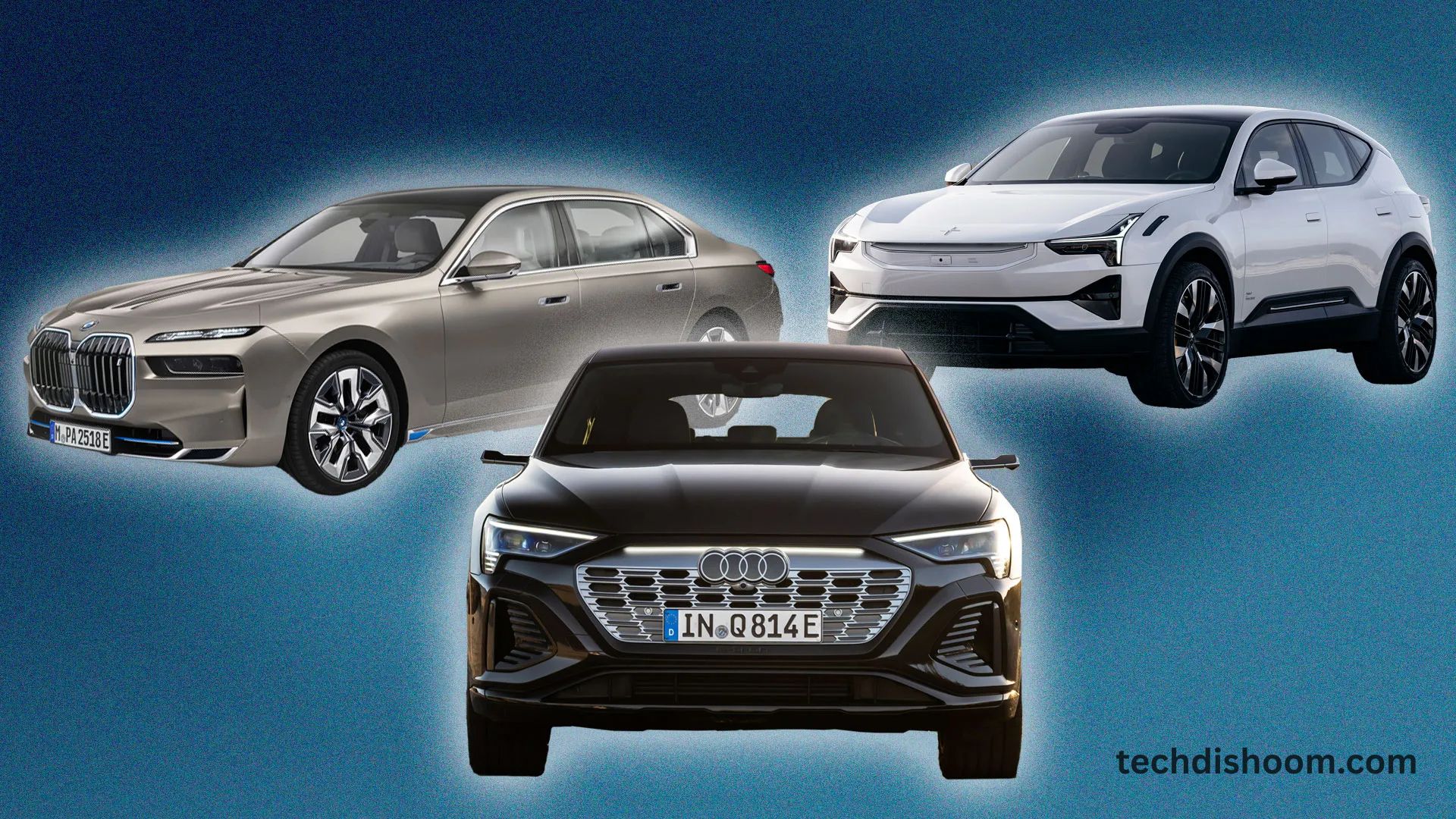
Electric vehicles are no longer seen as a niche technology or a futuristic idea. They are becoming an essential part of everyday transportation, and their growing popularity is changing the way people think about cars, energy, and lifestyle choices. This shift was clearly visible at the latest EV Fest, where manufacturers, technology companies, and sustainability advocates came together to display not only electric cars but also the lifestyle that surrounds them. The event highlighted how electric mobility is evolving into a broader movement focused on convenience, sustainability, and modern living.
Visitors at the festival were introduced to more than just new electric vehicles. They explored charging technologies, eco-friendly products, smart home systems, and outdoor lifestyle experiences connected to electric transportation. The event showed that buying an electric car is no longer simply about replacing a fuel-powered vehicle. Instead, it is increasingly becoming part of a larger lifestyle centered on clean energy, digital technology, and environmental responsibility.
EV Fest Reflects the Rapid Growth of Electric Vehicles
The popularity of EV Fest demonstrates how quickly electric vehicles are becoming a mainstream choice. Over the last few years, global demand for EVs has increased significantly as consumers look for more sustainable transportation options. Governments and automakers have also contributed to this trend by offering incentives, expanding charging networks, and investing in new technologies.
At the event, visitors had the opportunity to see a wide variety of electric vehicles, from small city cars to luxury SUVs and high-performance sports models. The diversity of options showed that electric vehicles are now designed for almost every type of driver and lifestyle.
Electric Cars Were the Main Attraction
The centerpiece of EV Fest was the large collection of electric vehicles displayed by leading automotive brands. Visitors explored the latest models featuring longer battery range, faster charging times, and advanced digital features.
Many manufacturers used the event to reveal new designs and future concepts, emphasizing innovation and sustainability. Electric cars were presented not only as efficient vehicles but also as symbols of modern technology and changing consumer preferences.
Lifestyle Displays Added a New Dimension to the Event
While cars remained the main focus, EV Fest also highlighted the broader lifestyle associated with electric mobility. Organizers included displays related to home charging systems, renewable energy, sustainable fashion, and eco-friendly living.
This approach reflected the idea that electric vehicles are becoming part of a larger lifestyle choice. People who purchase EVs are often interested in other sustainable products and technologies that align with their values and daily routines.
Home Charging and Smart Energy Solutions
One of the most popular sections of the event focused on home charging and smart energy systems. Visitors learned how charging an electric vehicle at home can be combined with solar panels, battery storage, and smart home technology.
These solutions allow EV owners to reduce electricity costs and increase energy efficiency. The integration of home energy systems with electric vehicles demonstrates how transportation and residential living are becoming more connected.
Sustainability Was a Central Theme
Sustainability played a major role throughout EV Fest. Many exhibitors emphasized the environmental benefits of electric vehicles, including lower emissions and reduced dependence on fossil fuels.
The event also promoted sustainable practices beyond transportation. Recycled materials, renewable energy products, and environmentally friendly accessories were featured alongside the cars, reinforcing the message that green living can extend into many parts of daily life.
Technology and Innovation Shaped the Experience
Technology was another major highlight of the festival. Modern electric vehicles now include advanced features such as autonomous driving assistance, digital dashboards, smartphone integration, and AI-powered navigation systems.
Visitors were able to experience these technologies firsthand through interactive displays and test drives. The event showed that electric vehicles are not only more sustainable but also more technologically advanced than many traditional cars.
The Role of Charging Infrastructure in EV Adoption
One of the biggest concerns for potential EV buyers is access to charging infrastructure. EV Fest addressed this issue by featuring companies that provide public charging stations, fast chargers, and charging network services.
Experts explained that expanding charging infrastructure is essential for the continued growth of electric vehicles. As more charging stations become available, consumers will feel more confident about switching from gasoline-powered vehicles to EVs.
Family and Outdoor Lifestyle Trends at EV Fest
The event also highlighted how electric vehicles fit into family life and outdoor activities. Larger electric SUVs and crossover models were displayed with features designed for road trips, camping, and active lifestyles.
Some exhibitors even created outdoor-themed displays showing EVs being used for adventure travel, cycling, and weekend recreation. This helped visitors imagine how electric vehicles can support a wide range of everyday activities and hobbies.
Growing Interest From Younger Consumers
Younger consumers were among the most enthusiastic visitors at EV Fest. Many younger buyers are especially interested in sustainability, digital technology, and modern design, making electric vehicles particularly attractive to them.
The festival included social media-friendly exhibits, interactive experiences, and educational sessions aimed at younger audiences. This reflects the growing role that younger generations are playing in driving the transition toward electric mobility.
Businesses Are Also Embracing Electric Mobility
In addition to individual consumers, businesses are increasingly turning to electric vehicles. EV Fest included displays of electric delivery vans, commercial trucks, and fleet management systems designed for companies.
Many businesses see EVs as a way to reduce fuel costs and improve environmental performance. The presence of commercial vehicles at the event showed that electric mobility is expanding beyond personal transportation into the wider business world.
Challenges Still Remain for the EV Industry
Despite the excitement surrounding electric vehicles, the industry still faces several challenges. High purchase prices, limited charging access in some regions, and concerns about battery supply remain important issues.
At EV Fest, experts acknowledged these challenges while expressing optimism about future improvements. Advances in battery technology, increased production, and government support are expected to make EVs more affordable and accessible in the coming years.
Government Support and Policy Influence
Government policies continue to play an important role in the growth of electric vehicles. Tax incentives, subsidies, and investments in charging infrastructure have helped encourage more consumers to choose EVs.
Several presentations at EV Fest discussed how public policy can continue supporting the transition to electric mobility. Stronger environmental regulations and long-term planning are expected to accelerate adoption even further.
Read More: Suzuki Jimny Lifestyle Truck Could Be Perfect for U.S. Trails
The Future of EV Lifestyle Culture
The festival made it clear that electric vehicles are becoming more than just a new type of car. They are helping create a new lifestyle culture that combines sustainability, technology, and modern design.
As EV adoption grows, more people are likely to embrace related products and services, from renewable energy to smart homes and eco-friendly travel. This trend could reshape not only transportation but also the way people live and interact with technology.
FAQs (Frequently Asked Questions)
What is EV Fest?
EV Fest is an event where companies display electric vehicles, charging technology, and modern eco-friendly lifestyle products.
What types of vehicles were shown at EV Fest?
The festival featured electric cars, SUVs, trucks, vans, and concept vehicles from various automotive brands.
Why is EV Fest important for the future of transportation?
It highlights how electric vehicles and green technology are becoming a major part of modern transportation and daily life.
Did EV Fest only focus on cars?
No, the event also included sustainable lifestyle products, home charging systems, renewable energy, and smart technology.
What role does charging infrastructure play in EV adoption?
Charging infrastructure is essential because it helps EV owners recharge easily and increases confidence in electric mobility.
Why are younger consumers interested in EVs?
Younger buyers are attracted to electric vehicles because of their modern design, digital features, and environmental benefits.
Are businesses also adopting electric vehicles?
Yes, many companies are using electric vans and trucks to reduce fuel costs and support sustainability goals.
What challenges still exist for electric vehicles?
Challenges include higher prices, limited charging stations in some areas, and concerns about battery production and supply.
Conclusion:
EV Fest successfully demonstrated that electric vehicles are no longer simply a transportation trend—they are becoming part of a much larger lifestyle movement. By combining displays of modern electric cars with sustainable products, smart energy solutions, and outdoor experiences, the event highlighted the growing connection between mobility and everyday life.
The festival also showed that while challenges remain, the future of electric vehicles looks increasingly promising. As technology improves and more people embrace sustainable living, EVs are likely to play a central role in shaping the future of transportation and lifestyle choices around the world.
