

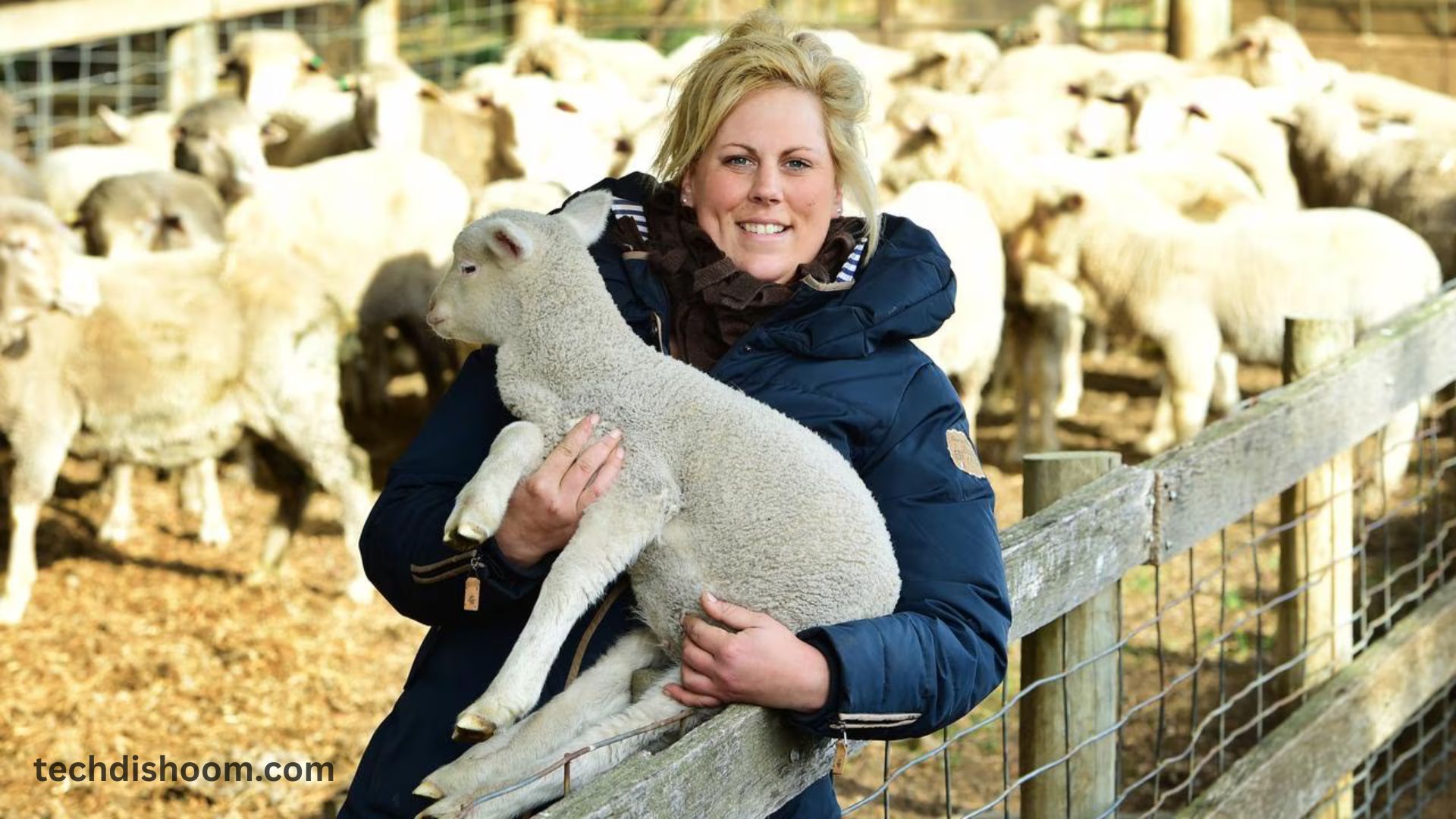
New proposed changes to lamb tail docking regulations have sparked strong reactions across the farming community, with many livestock farmers warning that the updated rules could lead to significant financial hardship. Tail docking, a common practice in sheep farming used to improve hygiene and reduce disease risks, is now under increased scrutiny as animal welfare standards continue to evolve. While policymakers argue that the changes are aimed at improving animal welfare outcomes, farmers believe the new requirements may increase costs, reduce efficiency, and create additional operational burdens.
Across rural farming regions, concerns are growing that stricter regulations could disrupt traditional farming practices that have been used for decades. Many farmers argue that they are already facing rising feed costs, fuel prices, and market uncertainty, and that further regulatory changes could place additional pressure on their livelihoods. The debate highlights the ongoing tension between animal welfare reforms and the economic realities of agricultural production.
Understanding Lamb Tail Docking and Its Purpose
Lamb tail docking is a common agricultural practice used in sheep farming to shorten the length of a lamb’s tail. The primary reason for this procedure is to improve hygiene and reduce the risk of infections such as flystrike, a serious condition caused by flies laying eggs on soiled wool.
For decades, farmers have used tail docking as a preventative measure to maintain flock health and reduce veterinary costs. The practice is generally carried out when lambs are young, using approved methods designed to minimize pain and stress. While widely accepted in the farming industry, it has increasingly become a subject of ethical debate in recent years.
Proposed Regulatory Changes and Their Objectives
The new proposed changes to lamb tail docking regulations aim to strengthen animal welfare standards and ensure more humane treatment of livestock. Policymakers and animal welfare advocates argue that existing practices should be reviewed to reduce unnecessary procedures and improve overall animal well-being.
These changes may include stricter guidelines on when and how tail docking can be performed, as well as increased documentation and compliance requirements for farmers. The goal is to ensure that the procedure is only carried out when absolutely necessary and under controlled conditions that prioritize animal welfare.
Farmer Concerns Over Increased Operational Costs
One of the main concerns raised by farmers is the potential increase in operational costs associated with the new regulations. If stricter rules are implemented, farmers may need to invest in additional veterinary services, training, and compliance measures. These added requirements could significantly raise the cost of managing livestock.
For many small and medium-sized farms, even modest increases in expenses can have a major impact on profitability. Farmers argue that they are already operating under tight margins, and additional regulatory costs could make it more difficult to sustain their businesses in the long term.
Financial Pressure on the Agricultural Sector
The agricultural sector has already been facing multiple financial pressures, including rising feed prices, fuel costs, and market volatility. These challenges have reduced profit margins for many livestock farmers, making it harder to absorb additional costs from regulatory changes.
In this context, the proposed lamb tail docking changes are seen by some farmers as an additional burden. They argue that while animal welfare is important, the financial sustainability of farming operations must also be considered to ensure long-term food production stability.
Impact on Small and Family-Owned Farms
Small and family-owned farms are expected to be the most affected by the proposed changes. Unlike large commercial farming operations, smaller farms often lack the financial flexibility to adapt quickly to new regulations or absorb increased costs.
For these farmers, even minor changes in compliance requirements can have a significant impact on daily operations. Many are concerned that additional regulations could force them to reduce flock sizes or exit the industry altogether if profitability becomes unsustainable.
Animal Welfare Advocates Support the Changes
While farmers express concerns about financial hardship, animal welfare organizations strongly support the proposed changes. They argue that reducing or modifying tail docking practices is an important step toward improving the ethical treatment of animals in agriculture.
Advocates believe that modern farming techniques and improved hygiene standards may reduce the need for routine tail docking. They emphasize that animal welfare should remain a top priority, even if it requires adjustments to traditional farming methods.
Balancing Welfare Standards and Economic Realities
The debate over lamb tail docking highlights a broader challenge in agriculture: balancing animal welfare standards with economic sustainability. Policymakers are tasked with finding solutions that protect animal health while also supporting farmers’ livelihoods.
This balance is not easy to achieve, as both sides present valid concerns. While welfare improvements are important for ethical and regulatory reasons, farmers need practical and affordable solutions that allow them to continue operating efficiently.
Potential Alternatives to Traditional Tail Docking
Some experts suggest that alternative approaches could help reduce the need for traditional tail docking. These may include improved breeding practices, better farm hygiene, and advanced disease prevention techniques.
By focusing on preventive measures rather than routine procedures, farmers may be able to maintain animal health without relying heavily on tail docking. However, implementing these alternatives may require investment in education, training, and infrastructure.
Government and Policy Response
Government officials are currently reviewing feedback from the farming community before finalizing any regulatory changes. Policymakers have acknowledged the concerns raised by farmers and have indicated that economic impact assessments will play a key role in decision-making.
The goal is to ensure that any new regulations are both effective in improving animal welfare and practical for farmers to implement without causing unnecessary financial strain.
Industry Reactions and Ongoing Debate
The farming industry remains divided on the issue. While some producers are open to gradual changes in livestock management practices, others believe that the proposed regulations are too restrictive and could harm agricultural productivity.
Industry groups are actively engaging with policymakers to seek a balanced approach that considers both welfare improvements and economic sustainability. The outcome of this debate is expected to have long-term implications for livestock farming practices.
Read More: IMF Spring 2026: Monetary & Financial Committee Briefing
Long-Term Outlook for Livestock Farming
The future of livestock farming is likely to involve continued changes in regulations, technology, and consumer expectations. As public awareness of animal welfare increases, farmers may need to adapt their practices to meet evolving standards.
At the same time, economic pressures will remain a key challenge. The ability of the agricultural sector to adapt to new rules while maintaining profitability will be crucial for its long-term stability and success.
FAQs (Frequently Asked Questions)
What is lamb tail docking?
Lamb tail docking is a farming practice where a lamb’s tail is shortened to improve hygiene and reduce the risk of infections like flystrike.
Why are new rules on tail docking being introduced?
The new rules aim to improve animal welfare by ensuring the procedure is only done when necessary and under stricter guidelines.
How could these changes affect farmers financially?
Farmers may face higher costs due to additional veterinary care, compliance rules, and possible changes in farming practices.
Why are farmers worried about these regulations?
Farmers are concerned that the new rules could increase expenses and reduce efficiency, especially for small and family-run farms.
What do animal welfare groups say about tail docking?
Animal welfare groups support the changes, saying they improve ethical treatment and reduce unnecessary procedures on animals.
Are there alternatives to lamb tail docking?
Yes, improved hygiene, better breeding practices, and disease prevention methods may reduce the need for routine tail docking.
Which farmers will be most affected by these changes?
Small and medium-sized farmers are expected to be most affected due to limited financial resources and lower operational flexibility.
Will tail docking be completely banned?
Not necessarily, but it may be restricted to specific conditions where it is considered necessary for animal health and welfare.
Conclusion:
The proposed changes to lamb tail docking regulations have sparked an important debate between animal welfare advocates and the farming community. While the intention behind the reforms is to improve animal treatment standards, many farmers are concerned about the potential financial impact and increased operational burden.
As discussions continue, finding a balanced solution that protects animal welfare while ensuring the economic viability of farms will be essential. The outcome of this policy debate is likely to shape the future of livestock farming practices for years to come.
