

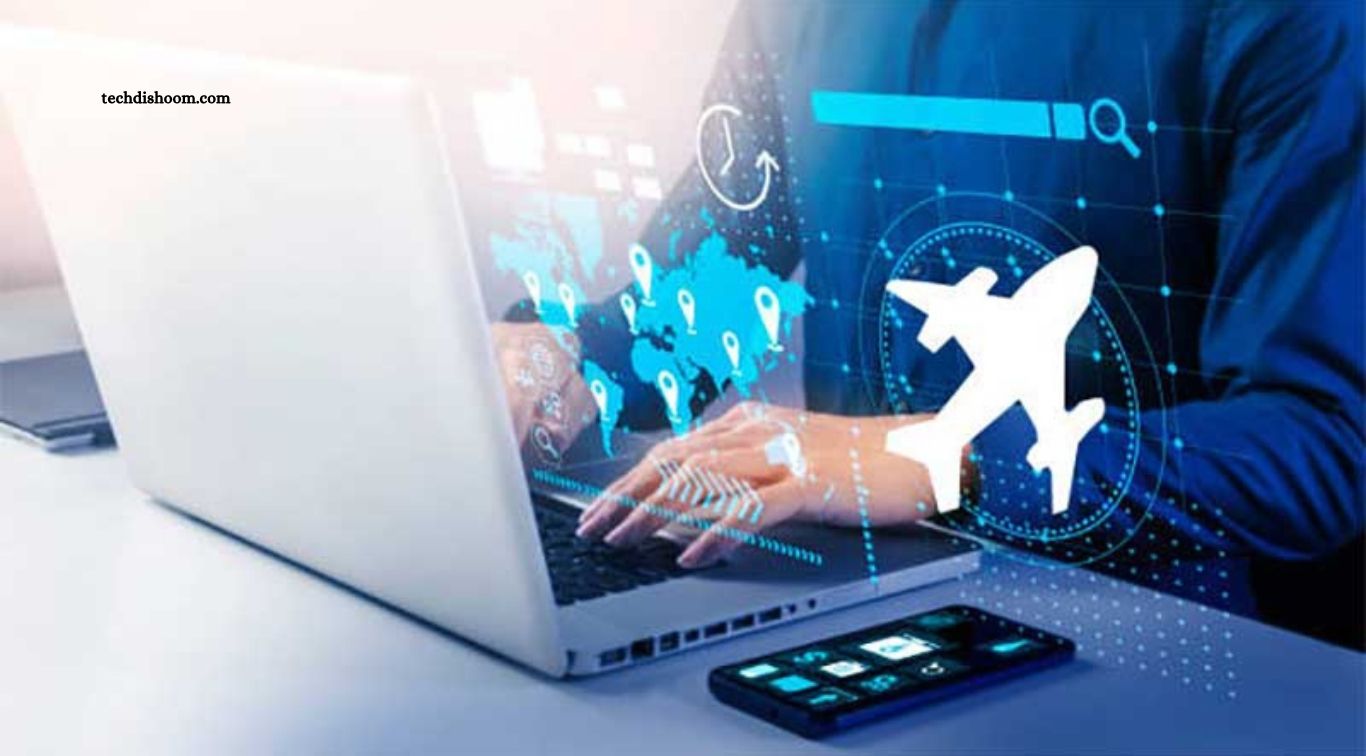
Technology has transformed the travel industry by making it easier for people to plan trips, compare prices, book accommodations, and explore destinations. Digital platforms, mobile applications, artificial intelligence, and online payment systems have changed how travelers interact with airlines, hotels, travel agencies, and tourism services. Tasks that once required visiting travel offices or making multiple phone calls can now be completed within minutes using a smartphone or computer.
These developments are also changing how travel businesses operate and serve customers. Airlines use digital systems to improve operations, hotels introduce smart services, and travel companies rely on data to understand customer preferences. From virtual destination tours to contactless check-ins, modern technology is creating more convenient and personalized travel experiences. This article explores the major ways technology is changing the travel industry and what these innovations mean for travelers and businesses.
Read More: Best Places to Visit During Every Season
Online Booking Platforms Make Travel Planning Easier
Online booking platforms have made it much easier to arrange flights, hotels, rental cars, and holiday packages. Travelers can compare different options, check prices, read customer reviews, and confirm reservations without visiting a physical travel agency. Websites and mobile applications also allow users to manage bookings, receive confirmations, and access important travel information in one place.
These platforms help travel companies reach customers across different regions and provide services around the clock. Price comparison tools and flexible search filters make it easier to find options that match a traveler’s budget and schedule. However, users should review cancellation policies, additional charges, and booking conditions before making payments. Reliable platforms can simplify planning while helping travelers make more informed decisions.
Artificial Intelligence Is Personalizing Travel Experiences
Artificial intelligence is helping travel companies provide more personalized services by analyzing customer preferences, search behavior, and previous bookings. AI-powered recommendation systems can suggest destinations, hotels, activities, and travel packages based on individual interests. For example, someone interested in adventure tourism may receive recommendations for hiking destinations, outdoor activities, or nature-focused accommodations.
AI chatbots and virtual assistants are also improving customer support. Travelers can use these tools to ask questions about reservations, baggage policies, check-in procedures, and travel schedules. Some systems assist at any time, reducing the need to wait for a human representative. Although AI can make travel planning more convenient, customers should verify important details such as visa requirements, booking conditions, and flight information through official sources.
Mobile Applications Improve the Travel Experience
Mobile applications have become essential tools for modern travelers. Airline apps allow passengers to check in, download boarding passes, receive flight notifications, and manage reservations. Hotel applications may provide booking management, digital room access, service requests, and information about available facilities. Travel planning apps can also organize itineraries, save important documents, and recommend nearby attractions.
Smartphone technology is especially useful when travelers are exploring unfamiliar destinations. Navigation applications provide directions, public transportation information, and estimated journey times. Translation tools can help users communicate in different languages, while digital wallets make supported payments more convenient. By combining several travel services in one device, mobile applications reduce the need for printed documents and make journeys easier to manage.
Smart Airports Are Improving Passenger Services
Airports are adopting advanced technologies to improve passenger movement, security procedures, and operational efficiency. Automated check-in kiosks, self-service baggage systems, biometric identification, and digital boarding gates can reduce waiting times in suitable situations. Airport applications also provide information about flight schedules, terminal facilities, boarding gates, and service updates.
Smart airport systems use connected sensors and data platforms to monitor facilities and coordinate operations. These technologies can help airport teams manage passenger flow, track baggage, and respond to operational problems more efficiently. However, biometric services and automated systems require strong privacy protections, reliable infrastructure, and alternative procedures for passengers who cannot or prefer not to use them. Technology works best when it improves convenience without making essential services inaccessible.
Virtual Reality and Augmented Reality in Tourism
Virtual reality (VR) is giving travelers new ways to explore destinations before making a booking. Through immersive digital experiences, users can view hotels, attractions, museums, and popular locations without physically visiting them. Travel businesses can use virtual tours to show room layouts, resort facilities, and destination highlights, helping customers understand what to expect before spending money.
Augmented reality (AR) adds digital information to real-world surroundings through compatible smartphones, tablets, or wearable devices. Visitors may use AR applications to view historical details, identify landmarks, or access interactive information while exploring a destination. These technologies can make sightseeing more engaging and support travel decisions. Although virtual experiences cannot fully replace real journeys, they offer useful ways to research destinations and improve visitor experiences.
Contactless Payments and Digital Travel Documents
Digital payment systems have made travel transactions faster and more convenient in many locations. Travelers can use supported mobile wallets, contactless cards, and online payment services to pay for hotels, transportation, meals, and other services. These methods reduce the need to carry large amounts of cash and can make purchases easier when traveling between destinations.
Digital travel documents are also becoming more common. Mobile boarding passes, electronic tickets, online visas, and digital reservation confirmations allow travelers to access important information through their devices. Some destinations and service providers support digital identity or biometric verification, although requirements vary. Travelers should keep essential documents accessible offline when possible and maintain secure backups. It is also important to protect devices with strong authentication and avoid using unsecured networks for sensitive transactions.
Big Data Is Helping Travel Businesses Make Better Decisions
Big data allows travel companies to analyze large amounts of information from bookings, customer feedback, website activity, and travel demand. Airlines can use these insights to understand booking patterns and plan capacity, while hotels can evaluate occupancy trends and customer preferences. Tourism organizations can also study visitor activity to improve destination planning and marketing strategies.
Data analysis supports more informed business decisions and can help companies adjust services according to changing customer needs. For example, hotels may identify popular booking periods, while travel agencies can recommend packages based on customer interests. However, collecting and using personal information requires responsible data management. Businesses should protect customer records, explain relevant privacy practices, and follow applicable data protection laws.
Social Media Is Influencing Travel Decisions
Social media platforms have become important sources of travel inspiration and information. Travelers discover destinations through photographs, videos, travel blogs, reviews, and recommendations from creators. Short-form videos can introduce lesser-known attractions, local restaurants, cultural experiences, and accommodation options to large audiences. This has changed how people research trips and decide where to travel.
Travel businesses also use social media to communicate with customers, promote offers, and share destination content. User-generated reviews and travel experiences can influence booking decisions because potential visitors often want to see real experiences before choosing a service. However, attractive online content may not always reflect actual conditions. Travelers should compare multiple reviews, check recent information, and verify details before booking or visiting a location.
Internet of Things Is Creating Smarter Hotels
The Internet of Things (IoT) connects devices and systems through the internet, allowing them to exchange information and respond automatically. In hotels, connected technology can support smart room controls, automated lighting, temperature adjustment, digital locks, and energy management. Guests may be able to control selected room features through mobile applications or voice-enabled devices, depending on the property’s facilities.
IoT systems can also help hotel operators monitor equipment, manage energy consumption, and identify maintenance requirements. For example, connected sensors may detect unusual equipment activity or help regulate heating and cooling when rooms are unoccupied. These solutions can improve operational efficiency and guest comfort. Hotels must still maintain secure networks, protect guest information, and provide traditional service options for visitors who do not want to use connected devices.
Cloud Computing Is Supporting Travel Businesses
Cloud computing allows travel companies to store information, run applications, and access digital services through remote computing infrastructure. Airlines, hotels, travel agencies, and tourism platforms can use cloud-based systems to manage reservations, customer records, payments, and internal operations. Employees in different locations can access updated information, supporting coordination across departments and business partners.
Cloud services can also help travel businesses expand their operations without investing in all the hardware required to manage large systems independently. Companies can adjust computing resources according to demand and use online tools for communication and data management. However, cloud adoption requires careful attention to cybersecurity, service availability, access permissions, and backup planning. A reliable cloud strategy helps businesses maintain services while protecting important operational information.
Robotics and Automation in the Travel Industry
Robotics and automation are being introduced into selected travel services to handle repetitive tasks and improve operational efficiency. Some hotels use robots to deliver small items to guest rooms, while airports and transportation facilities may use automated systems for cleaning, information assistance, or baggage handling. Automated kiosks and digital service tools also help travelers complete routine tasks with less manual support.
These technologies can reduce staff workloads and help businesses manage high volumes of activity. However, robots are not suitable for every customer interaction, particularly situations requiring personal attention, complex problem-solving, or emotional understanding. Human employees remain important for hospitality, safety, and customer care. Successful automation should support workers and improve service quality rather than remove the personal experience that makes travel enjoyable.
Sustainable Travel Through Modern Technology
Technology is helping the travel industry explore more sustainable ways to operate. Airlines and transportation providers use route planning and operational data to improve efficiency, while hotels introduce smart energy systems to monitor lighting, heating, cooling, and water consumption. Travelers can also use digital platforms to compare transportation options and find accommodations that communicate their environmental practices.
Electric vehicles, improved public transportation systems, and renewable energy solutions are contributing to changes in travel infrastructure. Some destinations use digital monitoring systems to understand visitor movement and manage pressure on popular attractions. However, technology alone cannot make tourism sustainable. Businesses and travelers must also consider resource consumption, waste management, local communities, and the environmental impact of transportation and accommodation.
Cybersecurity and Data Privacy in Travel
As more travel services move online, cybersecurity has become an important concern. Booking platforms, airlines, hotels, and payment providers manage personal information such as names, contact details, passport information, and payment records. Cyberattacks, phishing messages, weak passwords, and data breaches can expose this information and create serious problems for travelers and businesses.
Travel companies need strong security practices, including encryption, access controls, regular system updates, secure payment processing, and employee training. Travelers can also reduce risks by using official booking applications, creating strong passwords, enabling multifactor authentication, and avoiding suspicious links. Before entering sensitive information, users should confirm that they are interacting with a legitimate website or service. Protecting personal data is essential for building trust in digital travel services.
The Future of Technology in the Travel Industry
The future of travel will likely involve deeper integration of artificial intelligence, connected devices, automation, and digital identity systems. AI may help travelers create personalized itineraries, while improved translation technology could make international communication easier. More advanced biometric systems and digital processes may also simplify airport procedures where supported by local regulations and infrastructure.
At the same time, travel companies will need to balance innovation with privacy, accessibility, reliability, and human service. Sustainable transportation, smart destinations, and connected energy systems may influence how tourism develops over the coming years. Businesses that adopt useful technology responsibly can improve customer experiences and operational performance. The most successful travel innovations will be those that solve real problems while keeping journeys safe, convenient, and enjoyable.
Frequently Asked Questions
How is technology changing the travel industry?
Technology makes travel planning, booking, navigation, payments, and customer support more convenient through digital platforms and connected services.
How does artificial intelligence help travelers?
AI can recommend destinations, personalize itineraries, answer common questions, and help travelers find relevant travel options.
What role do mobile apps play in travel?
Mobile apps help users book flights, manage reservations, access boarding passes, navigate destinations, and receive important travel updates.
How is virtual reality used in tourism?
Virtual reality provides immersive previews of hotels, attractions, and destinations, helping travelers research places before visiting.
Does technology make travel more sustainable?
It can support efficient transportation, energy management, and visitor planning, but sustainable tourism also requires responsible decisions from businesses and travelers.
What are the risks of digital travel services?
Common risks include data breaches, phishing, payment fraud, privacy concerns, and unreliable online information.
Conclusion
Technology is changing the travel industry by improving how people discover destinations, organize trips, book services, and experience new places. Online platforms, mobile applications, artificial intelligence, smart airports, and digital payments have made many travel activities faster and more accessible. At the same time, cloud computing, big data, automation, and connected devices are helping travel businesses improve their operations and respond to customer needs. Despite these benefits, the industry must address challenges involving cybersecurity, data privacy, accessibility, and responsible technology use.
