

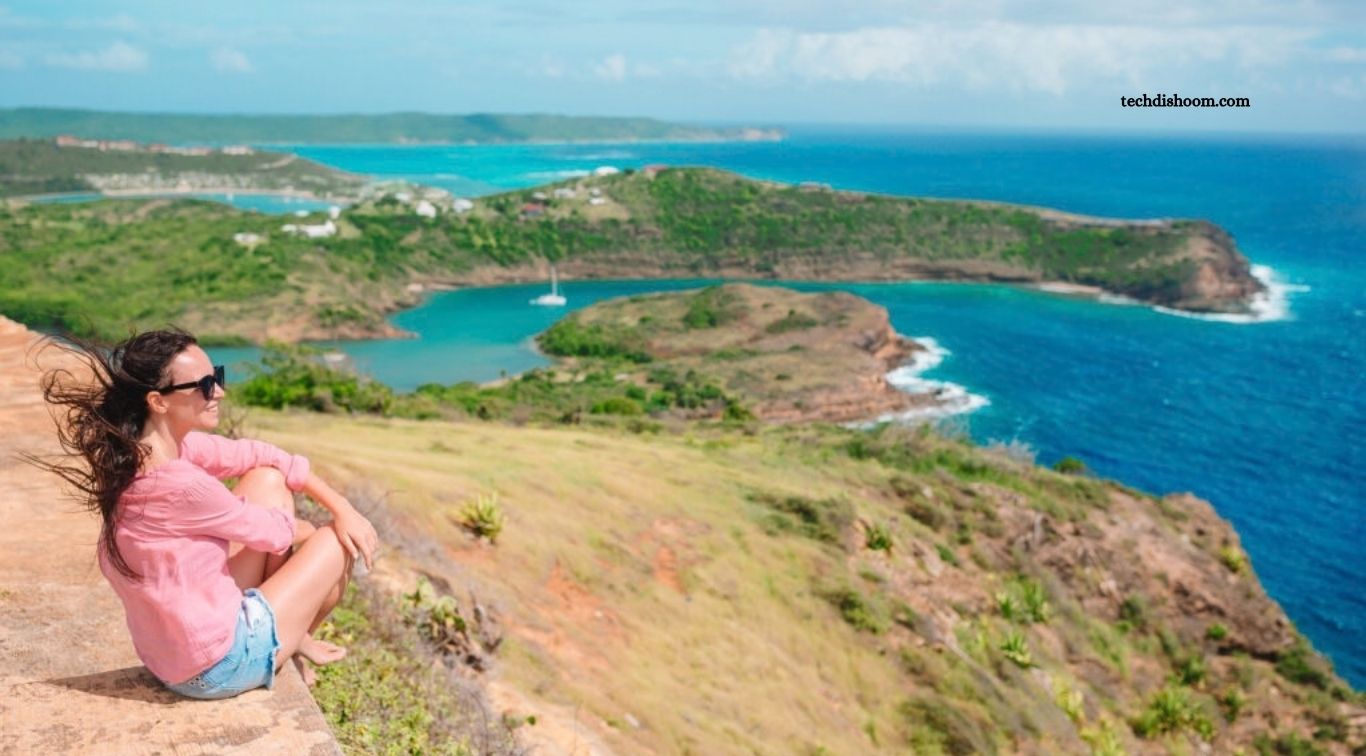
Traveling to popular destinations can be exciting, but discovering hidden places often creates more meaningful experiences. Away from crowded tourist attractions, lesser-known destinations offer peaceful landscapes, unique cultural traditions, historic villages, and breathtaking natural beauty. These places allow travelers to explore different lifestyles, enjoy authentic local experiences, and create unforgettable memories without following the usual tourist routes.
Hidden travel destinations are becoming increasingly appealing to people seeking adventure, relaxation, and genuine cultural connections. From quiet coastal towns and mountain villages to remote islands and historic countryside, countless places remain overlooked by mainstream tourism. Exploring these destinations can reveal a different side of the world while supporting local communities and encouraging more responsible travel.
Read More: Smart Lifestyle Decisions That Save Time
Albarracín, Spain: A Charming Historic Village
Albarracín is a beautiful medieval village in eastern Spain, known for its narrow streets, terracotta-colored buildings, and dramatic hillside setting. Surrounded by rugged landscapes, this historic destination offers a peaceful alternative to Spain’s busier cities. Visitors can wander through ancient streets, admire traditional architecture, and enjoy panoramic views from the village’s historic walls.
The destination is ideal for travelers interested in history, photography, and authentic Spanish culture. Small restaurants and local shops provide opportunities to experience regional traditions at a relaxed pace. Its distinctive architecture and quiet atmosphere make Albarracín a memorable choice for anyone seeking a less familiar European destination.
Faroe Islands: Untouched Natural Beauty
Located in the North Atlantic between Iceland and Norway, the Faroe Islands feature dramatic cliffs, green mountains, waterfalls, and isolated coastal villages. The islands are famous for their changing weather and spectacular ocean views. Travelers can explore scenic hiking routes, observe seabirds, and discover traditional communities surrounded by extraordinary natural landscapes.
The Faroe Islands appeal to visitors who prefer outdoor adventures over crowded attractions. Hiking, photography, birdwatching, and scenic drives provide excellent ways to experience the region. Travelers should prepare for unpredictable weather and check local safety guidance before exploring remote cliffs or mountain trails.
Gjirokastër, Albania: History and Mountain Views
Gjirokastër is a historic Albanian city recognized for its stone houses, cobbled streets, and impressive hilltop castle. Its traditional architecture reflects centuries of cultural influences, making it an interesting destination for travelers who enjoy exploring historic towns. The surrounding mountains also provide striking scenery and opportunities for outdoor activities.
Visitors can explore the old bazaar, discover local crafts, and sample traditional Albanian dishes at family-run restaurants. Compared with Europe’s most famous historic cities, Gjirokastër can offer a different atmosphere for travelers seeking cultural discovery. Its combination of history, architecture, and regional cuisine makes it worth considering for a Balkan itinerary.
Raja Ampat, Indonesia: A Tropical Paradise
Raja Ampat is an archipelago in Indonesia known for its turquoise waters, limestone islands, coral reefs, and extraordinary marine biodiversity. Located off the coast of Southwest Papua, this remote destination attracts divers and nature enthusiasts looking for remarkable underwater experiences. Its secluded beaches and dramatic island formations create unforgettable scenery.
Travelers can enjoy snorkeling, scuba diving, kayaking, and boat trips through the surrounding islands. Local communities also provide opportunities to learn about traditional lifestyles and conservation efforts. Because reaching Raja Ampat often requires several transportation connections, visitors should plan carefully, respect marine ecosystems, and choose responsible tourism operators.
Hallstatt’s Neighboring Villages, Austria: Peaceful Alpine Scenery
Austria’s Alpine region contains numerous small villages that offer beautiful mountain scenery, traditional architecture, and access to outdoor adventures. While Hallstatt attracts significant international attention, nearby communities and less-visited valleys can provide quieter alternatives for travelers hoping to experience the Austrian countryside.
Visitors can explore walking trails, enjoy lakeside views, discover regional food, and experience local traditions throughout the year. Depending on the location and season, activities may include hiking, cycling, skiing, or simply relaxing beside an Alpine lake. Choosing smaller communities can also help travelers discover a more peaceful side of Austria.
Kotor’s Inland Villages, Montenegro: Culture Beyond the Coast
Montenegro’s Bay of Kotor is famous for its medieval towns and dramatic coastal scenery, but the surrounding countryside contains lesser-known villages worth exploring. Traditional stone homes, mountain landscapes, historic churches, and winding roads create opportunities to experience a quieter side of the country.
Travelers can explore rural communities, enjoy regional dishes, and discover scenic viewpoints away from the busiest waterfront areas. Inland excursions also provide a different perspective on Montenegro’s cultural heritage and natural environment. Renting a car or arranging a local tour can make reaching these villages easier, although mountain roads may require careful driving.
Luang Prabang, Laos: A Relaxed Cultural Escape
Luang Prabang is a historic city in northern Laos, known for its Buddhist temples, traditional architecture, riverside setting, and relaxed atmosphere. Although it is an established travel destination, it can still feel quieter and more intimate than many major Asian tourist cities. Its combination of cultural heritage and natural scenery attracts visitors interested in meaningful travel experiences.
Travelers can explore temples, visit local markets, sample Laotian cuisine, and take excursions to nearby waterfalls. Respectful participation in local customs is important, particularly when visiting religious sites or observing Buddhist ceremonies. Spending several days in the area allows visitors to appreciate its cultural character without rushing through every attraction.
Colchagua Valley, Chile: Countryside and Local Traditions
Colchagua Valley in central Chile offers a scenic countryside experience with traditional towns, rolling landscapes, and agricultural communities. Although the region is known for wine tourism, visitors can also explore local markets, historic streets, rural scenery, and regional cuisine. Its slower pace provides a refreshing contrast to larger urban destinations.
Travelers can arrange guided countryside excursions, visit local museums, and learn about Chilean agricultural traditions. The surrounding landscapes also offer opportunities for photography and relaxed day trips. Checking seasonal conditions and transportation options in advance can help visitors build a comfortable itinerary around the region’s attractions.
Why Hidden Travel Destinations Are Worth Exploring
Lesser-known destinations can offer travelers a more personal connection with local communities, traditions, and natural surroundings. Smaller crowds may allow visitors to enjoy scenic locations at a slower pace, explore local businesses, and discover experiences that large tour groups often overlook. These journeys can also encourage curiosity and help travelers understand different cultures beyond familiar tourist attractions.
However, a destination’s popularity should not be the only factor when choosing a trip. Some remote locations have limited accommodation, transportation, medical services, or internet access. Researching local conditions, understanding cultural expectations, and preparing for unexpected changes can make travel safer and more enjoyable.
Tips for Planning a Trip to Hidden Destinations
Planning is particularly important when visiting places with limited tourism infrastructure. Travelers should research transportation routes, accommodation availability, seasonal weather, entry requirements, and local customs before departure. Saving offline maps, carrying essential documents, and keeping emergency contact information accessible can also help prevent common travel problems.
Responsible tourism should remain a priority throughout the journey. Visitors can support local businesses, reduce waste, respect wildlife, and follow community guidelines. Learning a few local phrases and asking permission before photographing people can also improve cultural interactions. Thoughtful preparation helps travelers enjoy unique destinations while protecting the places that make them special.
Frequently Asked Questions
What are hidden travel destinations?
Hidden travel destinations are lesser-known places offering unique scenery, cultural experiences, and fewer crowds than popular tourist attractions.
Which country has beautiful hidden destinations?
Albania, Indonesia, Spain, Montenegro, and Laos offer distinctive destinations beyond their most famous tourist attractions.
Are hidden destinations budget-friendly?
Many can be affordable, but transportation, accommodation, and remote locations may increase overall travel costs.
When should I visit lesser-known destinations?
The best time depends on local weather, seasonal activities, and transportation availability.
How can I find hidden travel destinations?
Explore regional travel guides, local recommendations, smaller towns, and responsible travel blogs for less familiar places.
Is traveling to remote destinations safe?
Many destinations are safe with proper preparation, but travelers should research local conditions, transport options, and safety guidance before visiting.
Conclusion
Hidden travel destinations offer exciting opportunities to discover beautiful landscapes, experience local cultures, and escape crowded tourist attractions. From Spain’s medieval villages and Indonesia’s tropical islands to Albania’s historic towns and Montenegro’s peaceful countryside, these places provide memorable experiences for curious travelers. Choosing a lesser-known destination requires thoughtful planning, flexibility, and respect for local communities. By researching conditions, supporting local businesses, and traveling responsibly, visitors can enjoy more meaningful adventures while helping preserve the places they explore.

1 Comment
Pingback: Travel Planning Tips for Stress-Free Adventures - TechDishoom