

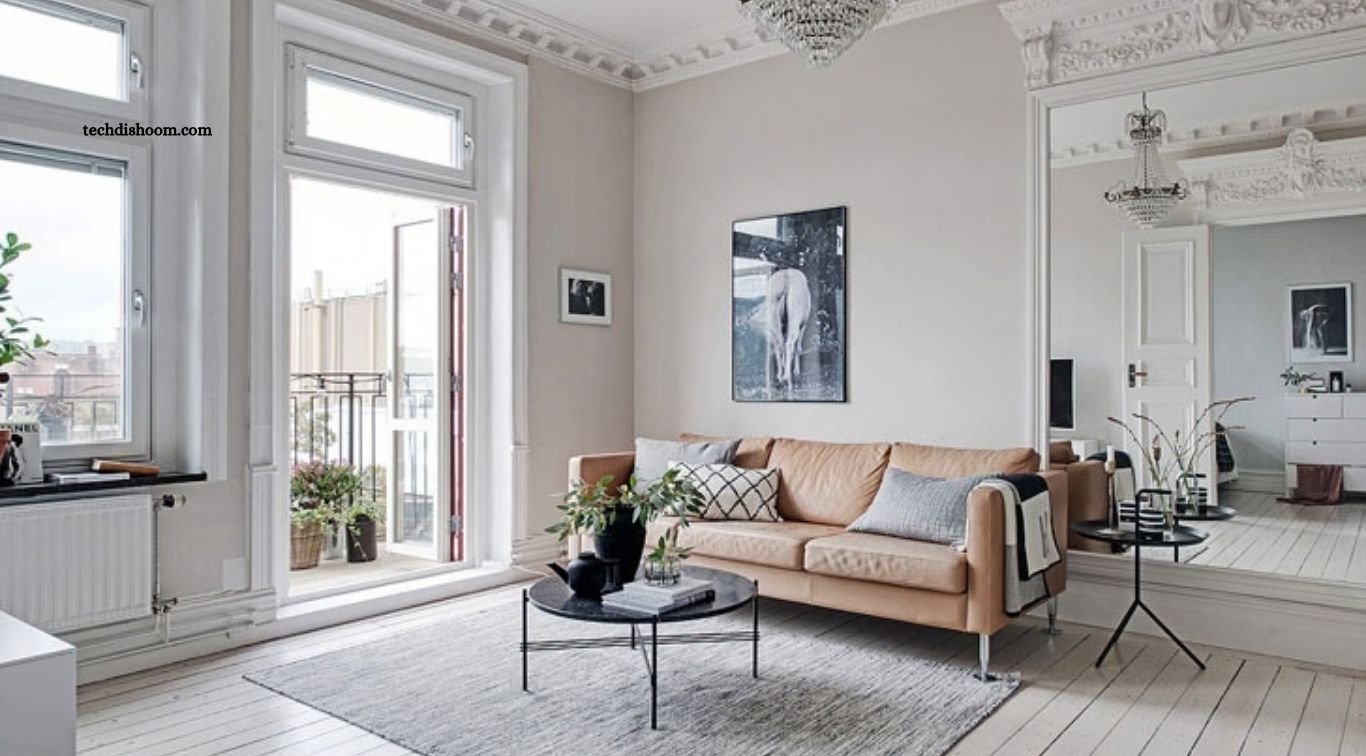
Minimalist living is about creating a simpler lifestyle by focusing on what genuinely adds value to your daily life. It does not require getting rid of everything you own or living in an empty home. Instead, minimalism encourages thoughtful choices about possessions, spending, space, time, and everyday habits.
For beginners, adopting a minimalist lifestyle can feel overwhelming if approached as a major transformation. A more practical approach is to start with small changes and gradually create an environment that feels organized and intentional. The goal is not perfection but reducing unnecessary clutter and making room for the things that matter most.
Read More: Self-Care Habits That Improve Mental Well-Being
Understand What Minimalism Means
Minimalism means being intentional about what you keep, buy, use, and prioritize. Different people can practice minimalism in different ways because everyone’s needs, responsibilities, home, and lifestyle are different.
A minimalist lifestyle should support your personal goals rather than follow a rigid set of rules. You can own useful belongings, enjoy hobbies, decorate your home, and still practice minimalism if your possessions have a clear purpose or meaningful value.
Start With One Small Area
Beginners often make the mistake of trying to declutter their entire home at once. This can quickly become exhausting and make the process difficult to complete. Starting with one drawer, shelf, cupboard, or small room makes the task more manageable.
Choose an area that you use regularly so that the results become noticeable quickly. Completing a small project can also build confidence and help you understand which belongings are genuinely useful and which items are simply taking up space.
Declutter Gradually
Decluttering involves deciding what you actually need, use, and value. Items that are broken, duplicated, forgotten, or rarely used may be candidates for removal, depending on their practical or sentimental importance.
Take your time with difficult decisions. Minimalism should not require you to throw away meaningful possessions simply because they do not fit a particular aesthetic. The purpose of decluttering is to create a more functional and comfortable environment.
Use the One-In, One-Out Approach
The one-in, one-out approach can help prevent clutter from returning. When you purchase a new item, consider whether an existing item can be donated, recycled, sold, or otherwise removed.
This method encourages more thoughtful purchasing without requiring strict rules. It is particularly useful for categories that tend to accumulate quickly, such as clothing, kitchenware, books, accessories, and household items.
Avoid Unnecessary Shopping
Minimalist living becomes easier when fewer unnecessary items enter your home. Before buying something, consider whether you actually need it, whether you already own something similar, and whether you have a practical use for it.
Waiting before making nonessential purchases can also help. A short pause gives you time to determine whether the desire to buy comes from a genuine need or from advertising, trends, boredom, or impulse.
Create a Simple Wardrobe
A minimalist wardrobe focuses on clothing that you actually wear and that works with your lifestyle. Instead of keeping large quantities of rarely worn clothes, consider maintaining a practical collection of comfortable and versatile pieces.
Organize clothing so that frequently used items are easy to access. Reviewing your wardrobe periodically can help identify clothes that no longer fit your needs, lifestyle, or preferences.
Organize Your Home
Minimalism is not only about owning fewer things. Organization also matters because even a relatively small number of possessions can create visual and practical clutter when everything lacks a designated place.
Give commonly used items logical storage locations. Keeping surfaces relatively clear and returning things after use can make a home feel more orderly without requiring expensive storage solutions.
Reduce Digital Clutter
Minimalism can also apply to your digital life. Thousands of unnecessary photos, unused applications, old emails, duplicate files, and constant notifications can create digital clutter that consumes attention.
Regularly review your devices and remove information you no longer need. Organize important files, unsubscribe from unwanted emails, and disable unnecessary notifications to create a calmer digital environment.
Simplify Your Daily Schedule
Minimalism can extend beyond physical possessions into the way you manage time. A schedule filled with unnecessary commitments can leave little room for rest, relationships, hobbies, or personal priorities.
Review your regular activities and identify commitments that no longer serve an important purpose. Creating more space in your schedule can be just as valuable as creating more space in your home.
Focus on Quality Over Quantity
Minimalism often encourages choosing useful, durable, and meaningful items instead of accumulating large quantities of things. When buying something important, consider its quality, usefulness, longevity, and suitability for your lifestyle.
This does not mean every purchase needs to be expensive. A simple and affordable product can be the right choice if it meets your needs. The focus should be thoughtful consumption rather than purchasing premium products simply because they appear minimalist.
Make Your Kitchen More Functional
The kitchen can become cluttered quickly because of duplicate utensils, appliances, containers, and rarely used gadgets. Review what you actually use when preparing meals and consider reducing unnecessary duplicates.
Keep frequently used tools accessible and organize storage around your cooking habits. A simpler kitchen can make meal preparation easier and reduce the time spent searching for items.
Simplify Your Workspace
A cluttered workspace can make it harder to organize tasks and maintain concentration. Remove unnecessary objects from your desk and keep only the equipment and materials you regularly need.
Digital organization also matters for workspaces. Organize important files, close unnecessary applications, and create a straightforward system for managing documents. A simple workspace can support more focused work.
Practice Mindful Consumption
Mindful consumption means thinking about why you are buying something before making the purchase. Consider the item’s purpose, expected use, durability, cost, and whether it fits your existing lifestyle.
This approach can reduce impulse purchases and help you spend money more intentionally. Over time, buying fewer unnecessary items can also reduce the amount of time spent organizing, cleaning, maintaining, and replacing possessions.
Reduce Duplicate Items
Duplicates are common sources of household clutter. You may have multiple similar kitchen tools, clothing items, office supplies, containers, or accessories without regularly using all of them.
Review categories where duplication is common and keep the number that realistically meets your needs. If you have a specific reason to own multiples, such as family requirements or frequent use, there is no need to eliminate them simply for the sake of minimalism.
Create a Donation Routine
Instead of allowing unwanted possessions to accumulate indefinitely, create a regular process for donating or responsibly disposing of useful items. A donation box can provide a temporary place for belongings you have decided you no longer need.
When the box becomes full, review the contents once more and then take appropriate action. Donating usable items can also give them an opportunity to benefit someone else rather than remaining unused in your home.
Maintain Clear Surfaces
Clear surfaces can make rooms feel more organized and easier to maintain. Desks, tables, countertops, and other frequently used areas often become collection points for miscellaneous objects.
At the end of the day, spend a few minutes returning items to their designated locations. This small habit can prevent clutter from accumulating and make cleaning easier.
Learn to Appreciate Empty Space
Empty space does not necessarily mean a room is incomplete. Leaving some areas uncluttered can make a home feel more open and give important objects greater visual attention.
You do not need to remove every decorative item. Instead, consider whether each space feels comfortable and functional. Minimalism is about balance, not creating an environment that feels cold or empty.
Stop Comparing Your Home
Minimalist living should not become another lifestyle competition. Social media often presents highly styled homes that may not reflect the practical realities of everyday life.
Your home needs to work for you and the people who live there. Focus on comfort, functionality, cleanliness, and personal meaning rather than trying to recreate another person’s interior design.
Develop Better Cleaning Habits
Owning fewer unnecessary items can make cleaning easier, but regular habits still matter. Simple routines such as cleaning surfaces, putting belongings away, and handling laundry regularly can prevent small tasks from becoming overwhelming.
A consistent cleaning routine does not need to take hours. Small daily actions can maintain an orderly home and reduce the need for large cleaning sessions later.
Make Minimalism Personal
There is no single correct version of minimalist living. Someone living in a small apartment may have different needs from a family living in a large home. Work requirements, hobbies, cultural traditions, and personal interests can all influence what possessions are necessary.
Your goal should be to create a lifestyle that feels intentional and manageable. Keep the items and activities that genuinely contribute to your life while reducing those that create unnecessary stress or clutter.
Maintain Your Progress
Decluttering once will not automatically create a permanently minimalist lifestyle. New possessions can enter your home through shopping, gifts, work, travel, and everyday life.
Review your belongings periodically and make thoughtful decisions about what stays. Maintaining minimalism is usually easier when you develop better consumption habits rather than repeatedly performing large decluttering projects.
Avoid Extreme Minimalism
Extreme approaches can make minimalism unnecessarily difficult. Removing useful belongings simply to reach a specific number of possessions can create inconvenience and regret.
A practical minimalist lifestyle should make everyday life easier rather than harder. Keep what you need, use, and value, and allow your approach to evolve as your circumstances change.
Focus on Experiences and Relationships
Minimalist living can create more space for experiences, relationships, learning, hobbies, and personal goals. When less time and energy are spent managing unnecessary possessions, you may have more opportunity to focus on activities that provide lasting satisfaction.
This does not mean material possessions have no value. The idea is to create a healthier balance between things and experiences. Choose what deserves your time, attention, money, and physical space.
Frequently Asked Questions
What is minimalist living?
Minimalist living is an intentional approach to possessions, spending, time, and daily habits that focuses on reducing unnecessary clutter and prioritizing what provides genuine value.
How should beginners start minimalism?
Start with a small area such as a drawer, shelf, wardrobe section, or desk. Complete one manageable project before gradually moving to larger areas.
Do minimalists have to own very few things?
No. Minimalism does not require a specific number of possessions. The appropriate amount depends on your needs, lifestyle, responsibilities, and personal preferences.
Can minimalism save money?
Minimalism can reduce unnecessary spending by encouraging people to think carefully before making purchases. Buying fewer items can also reduce maintenance, replacement, and storage costs.
How can I prevent clutter from returning?
Avoid unnecessary purchases, use designated storage spaces, review belongings regularly, and consider using approaches such as the one-in, one-out method.
Is minimalist living suitable for families?
Yes. Families can adapt minimalist principles to their own needs by reducing unnecessary possessions, organizing shared spaces, simplifying routines, and creating practical systems for maintaining the home.
Conclusion
Minimalist living is a practical approach to creating a simpler and more intentional lifestyle. Beginners can start by decluttering small areas, reducing unnecessary shopping, organizing their homes, simplifying digital spaces, and becoming more thoughtful about future purchases. The goal is not to own as little as possible. It is to make room for what matters while reducing unnecessary clutter and distractions. Start slowly, keep the process personal, and develop habits that make your home and daily life more comfortable, functional, and manageable.

1 Comment
Pingback: Sustainable Lifestyle Changes Anyone Can Make - TechDishoom