

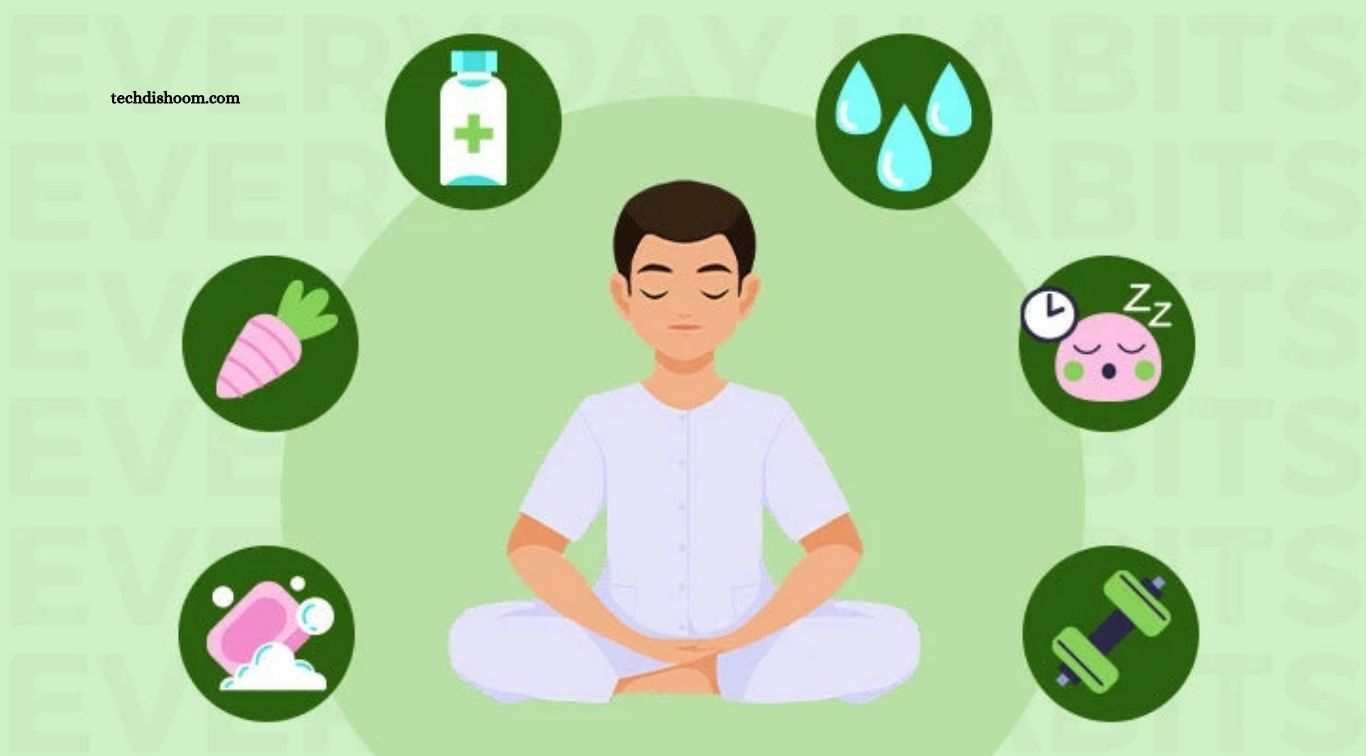
Healthy habits can have a powerful effect on everyday life. Simple choices involving sleep, nutrition, movement, hydration, stress management, and personal routines can support physical well-being and mental balance. While major lifestyle changes may feel difficult to maintain, small improvements practiced consistently can become valuable habits that make daily life more comfortable and productive.
A healthy lifestyle does not require perfection or complicated routines. The most useful habits are realistic, sustainable, and suitable for individual needs. By making thoughtful choices throughout the day, people can support their energy, focus, emotional well-being, and long-term health while creating a more balanced and enjoyable lifestyle.
Read More: Lifestyle Changes That Improve Your Quality of Life
Start the Day With a Healthy Routine
A positive morning routine can create structure and help set the tone for the rest of the day. Waking at a consistent time, drinking water, eating a nutritious breakfast, stretching, and spending a few quiet moments preparing for the day can encourage a calmer and more organized start.
Morning routines should remain realistic rather than overly complicated. Trying to complete too many tasks immediately after waking can create unnecessary pressure. A few simple activities that support energy, focus, and preparation can be easier to maintain and may gradually become a natural part of everyday life.
Drink Enough Water
Hydration supports many important functions in the body, including temperature regulation, digestion, circulation, and normal physical performance. Drinking water regularly throughout the day can help maintain proper hydration, especially during warm weather or periods of physical activity.
Developing a consistent hydration routine can make drinking enough water easier. Keeping water nearby, drinking with meals, and choosing water instead of sugary beverages can support healthier daily choices. Individual fluid needs vary, so people should consider factors such as activity level, climate, and personal health circumstances.
Eat Balanced Meals
Balanced nutrition provides the body with energy and essential nutrients needed for daily activities. Meals that include vegetables, fruits, whole grains, protein sources, and healthy fats can contribute to a varied and nutritious eating pattern. Choosing different foods can also make meals more enjoyable and satisfying.
Healthy eating should focus on overall patterns rather than occasional choices. Planning meals, preparing nutritious ingredients, eating mindfully, and limiting highly processed foods when possible can make balanced nutrition easier to maintain. Enjoying favorite foods in moderation can also help create a practical approach that feels sustainable.
Stay Physically Active
Regular movement supports physical fitness, strength, mobility, and overall well-being. Activities such as walking, cycling, swimming, stretching, dancing, and recreational sports can provide opportunities to stay active without requiring highly demanding workouts. Even small amounts of movement can help reduce long periods of inactivity.
Finding enjoyable activities can make exercise easier to maintain. People with busy schedules can include movement through short walks, active breaks, household tasks, or simple stretching. The key is to create a routine that fits comfortably into everyday life rather than treating physical activity as an occasional task.
Get Enough Quality Sleep
Good sleep supports physical recovery, concentration, memory, mood, and daily performance. Maintaining a consistent sleep schedule can help establish a healthy rhythm and make it easier to get adequate rest. Creating a comfortable sleeping environment can also encourage better nighttime routines.
Reducing stimulating activities before bedtime may support relaxation. Limiting unnecessary screen use, keeping the bedroom comfortable, and following a calming evening routine can help prepare the mind and body for sleep. If ongoing sleep difficulties occur, seeking advice from a qualified healthcare professional can be appropriate.
Practice Good Personal Hygiene
Personal hygiene is an important part of maintaining everyday health and comfort. Regular handwashing, dental care, bathing, clean clothing, and appropriate grooming can reduce exposure to harmful germs and support general cleanliness. These simple practices are often easy to include in daily routines.
Hygiene habits are most effective when practiced consistently. Washing hands at appropriate times, maintaining oral care, and keeping personal surroundings clean can become automatic with regular practice. Good hygiene also contributes to confidence and helps create a comfortable environment for daily activities.
Manage Everyday Stress
Stress can affect concentration, sleep, mood, relationships, and physical well-being when it becomes difficult to manage. Identifying common stress triggers can help people recognize areas where changes may be useful. Planning tasks, taking breaks, setting boundaries, and maintaining realistic expectations can reduce unnecessary pressure.
Relaxation activities can provide valuable moments of recovery during demanding days. Deep breathing, gentle exercise, reading, meditation, hobbies, music, and time outdoors may help people relax. Different strategies work for different individuals, so developing a personal approach to stress management can support better daily balance.
Take Regular Breaks
Taking short breaks during work or study can help prevent mental fatigue and prolonged periods of sitting. Brief movement, stretching, walking, or simply stepping away from a demanding task can provide an opportunity to reset attention. Regular breaks can be especially useful during long periods of focused activity.
Breaks should be intentional rather than becoming extended distractions. Setting a simple routine for stepping away from screens or changing activities can help maintain productivity while supporting well-being. A balanced schedule includes periods of concentration as well as opportunities for rest and recovery.
Spend Time Outdoors
Spending time outdoors can provide a refreshing change from indoor environments and daily screen use. Walking in a park, gardening, sitting outside, or enjoying nature can create opportunities for movement and relaxation. Outdoor activities can also add variety to routines and encourage people to remain physically active.
Outdoor time does not need to involve complicated plans or long trips. A short walk during a break or a few minutes outside can be a simple addition to the day. Choosing enjoyable outdoor activities can make the habit easier to maintain while providing a useful opportunity to disconnect from routine responsibilities.
Limit Excessive Screen Time
Digital devices are useful for work, education, communication, and entertainment, but excessive screen use can take time away from sleep, physical activity, relationships, and offline interests. Spending long periods looking at screens may also contribute to mental fatigue and reduce opportunities for movement.
Creating healthy technology boundaries can improve daily balance. People can establish screen-free periods during meals, before bedtime, or while spending time with family and friends. Turning off unnecessary notifications and taking regular breaks can also help people use technology more intentionally.
Maintain Meaningful Relationships
Strong relationships can support emotional well-being and provide companionship, encouragement, and a sense of connection. Spending quality time with family members, friends, colleagues, or community groups can add meaning to everyday life. Healthy relationships often develop through regular communication and genuine attention.
Maintaining connections does not always require large gatherings or lengthy conversations. A phone call, shared meal, thoughtful message, or short conversation can help people stay connected despite busy schedules. Listening carefully, showing appreciation, and respecting personal boundaries can further strengthen important relationships.
Make Time for Hobbies
Hobbies provide opportunities to relax, explore interests, develop skills, and enjoy personal time. Reading, cooking, gardening, photography, music, painting, sports, crafts, and learning new subjects can create a healthy balance between responsibilities and leisure. Enjoyable activities can also provide a sense of accomplishment.
Hobbies become more beneficial when they are chosen for genuine enjoyment rather than pressure. Even a small amount of time dedicated to a favorite activity can provide a welcome break from work and routine responsibilities. Creating space for hobbies can help make everyday life more varied and personally rewarding.
Practice Mindful Eating
Mindful eating involves paying attention to food, hunger, fullness, flavors, and the experience of eating. Slowing down during meals can help people become more aware of their eating habits and may encourage more thoughtful choices. Eating without constant distractions can also make meals more enjoyable.
Mindful eating does not require strict rules or complicated techniques. Taking time to chew food, noticing flavors, and recognizing when the body feels satisfied can encourage a healthier relationship with meals. This approach can complement balanced nutrition without turning eating into a stressful process.
Keep Your Environment Organized
An organized environment can make daily tasks easier and reduce unnecessary frustration. Keeping frequently used items in convenient places, maintaining clean spaces, and regularly removing clutter can create a more comfortable home or work environment. Organization can also save time when completing everyday responsibilities.
Creating simple systems is often more sustainable than trying to organize everything at once. Small habits such as putting items back after use, cleaning regularly, and preparing for the next day can gradually maintain order. A practical environment can support focus, relaxation, and smoother daily routines.
Practice Positive Self-Care
Self-care involves making time for physical, mental, and emotional needs. Rest, enjoyable activities, healthy meals, movement, personal interests, and meaningful social connections can all become parts of a balanced self-care routine. Taking care of personal needs can make it easier to manage everyday responsibilities.
Self-care should not be viewed as selfish or limited to occasional treats. It is an ongoing process of recognizing personal needs and responding to them in healthy ways. Setting reasonable boundaries and allowing time for recovery can support a more sustainable lifestyle.
Build Habits Gradually
Trying to change many behaviors at the same time can feel overwhelming. Starting with one or two realistic habits can make the process easier and provide opportunities to build confidence. Once a habit becomes more consistent, another small improvement can be introduced.
Consistency matters more than perfection when developing healthy routines. Missing a day or experiencing a setback does not mean progress has failed. Returning to the habit and continuing forward can help create long-term behavioral changes that fit naturally into everyday life.
Frequently Asked Questions
What are the most important healthy habits?
Regular exercise, balanced nutrition, quality sleep, proper hydration, stress management, and good hygiene are important healthy habits.
Why is drinking enough water important?
Proper hydration supports digestion, circulation, temperature regulation, energy, and normal physical functions.
How does exercise improve daily life?
Regular physical activity supports strength, mobility, fitness, mood, energy, and overall well-being.
Why is quality sleep important?
Quality sleep supports physical recovery, concentration, memory, emotional balance, and daily performance.
How can stress be managed naturally?
Exercise, relaxation, hobbies, outdoor activities, mindful breathing, regular breaks, and meaningful relationships can help manage stress.
How can healthy habits become permanent?
Start with small, realistic changes, practice them consistently, and gradually add new habits as your routine becomes stronger.
Conclusion
Healthy habits can make everyday life better by supporting physical health, mental well-being, energy, productivity, and emotional balance. Simple actions such as drinking enough water, eating balanced meals, staying active, sleeping well, managing stress, maintaining relationships, and taking regular breaks can contribute to a healthier lifestyle. The most effective habits are realistic and sustainable. Instead of pursuing sudden changes, people can focus on small improvements that fit their routines and personal circumstances.

1 Comment
Pingback: Simple Living Tips for a More Balanced Lifestyle - TechDishoom