

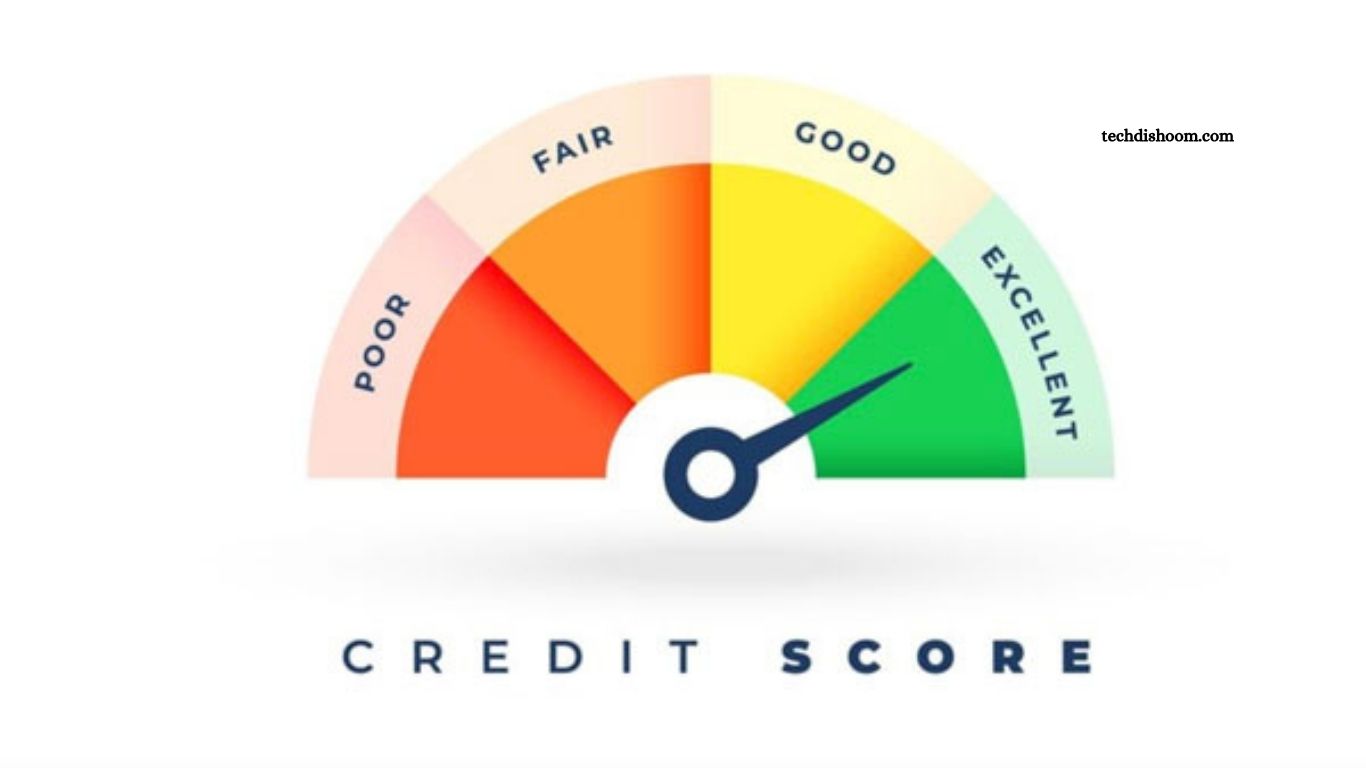
Understanding credit scores and financial health can help people make smarter money decisions, manage debt responsibly, and build a stronger financial future. A credit score reflects how responsibly someone has handled borrowed money,
Financial health covers a much broader picture, including income, savings, expenses, debt, and financial stability. Learning how these areas connect can make borrowing, saving, budgeting, and long-term planning easier.
Read More: Simple Saving Techniques That Make a Difference
What Is a Credit Score?
A credit score is a numerical measure used to estimate how likely a person is to repay borrowed money on time. Banks, lenders, credit card companies, and other financial institutions may use credit scores when reviewing loan or credit applications.
Several factors can influence a credit score. Payment history, credit utilization, length of credit history, new credit applications, and types of credit accounts can all play a role. A strong score generally indicates responsible credit management, while a lower score may make borrowing more difficult or expensive.
Credit scoring systems vary by country and scoring provider, so the exact score range and calculation method can differ. Consumers should understand which scoring system lenders commonly use within their region.
Why Credit Scores Matter
A credit score can affect access to loans, credit cards, mortgages, and other financial products. Lenders may use the score alongside income, employment information, existing debt, and other financial details when assessing an application.
A higher credit score may improve the chances of approval and can sometimes help borrowers qualify for more competitive interest rates. A lower score may result in higher borrowing costs, stricter requirements, or limited financial options.
Credit scores are important, but they do not represent complete financial health. Someone can have a strong credit score while having little savings or significant financial pressure. Likewise, someone with limited credit history may have a healthy financial situation despite having a modest score.
What Is Financial Health?
Financial health describes the overall condition of a person’s finances. It includes the ability to cover regular expenses, handle unexpected costs, manage debt, save money, and work toward future financial goals.
Important areas of financial health include:
- Income stability
- Monthly expenses
- Savings
- Emergency funds
- Debt levels
- Credit management
- Retirement planning
- Investment habits
- Financial goals
Healthy finances usually involve a balance between current needs and future priorities. Managing money effectively is not simply about earning more. Spending wisely, controlling debt, building savings, and preparing for unexpected expenses are equally important.
Credit Score vs. Financial Health
Credit scores and financial health are connected, but they are not the same thing. A credit score mainly focuses on credit behavior. Financial health looks at the complete financial picture. For example, consistently paying credit card bills on time can support a healthy credit score.
However, carrying expensive debt while having no emergency savings can still create financial stress. Think of a credit score as one part of a larger financial picture. Improving financial health requires attention to credit, savings, spending, debt, and long-term planning.
Key Factors That Affect Credit Scores
Payment History
Payment history is one of the most important elements of many credit scoring models. Missing or making late payments can negatively affect credit records.
Paying bills on time can help establish responsible credit behavior. Setting automatic payments or calendar reminders can make payment management easier.
Credit Utilization
Credit utilization refers to the amount of revolving credit being used compared with available credit. For example, someone with a $5,000 credit limit who carries a $1,000 balance has a 20% utilization rate. Lower utilization is generally viewed more favorably by many scoring models.
Keeping balances manageable and avoiding unnecessary dependence on credit cards can support better credit management.
Length of Credit History
The age of credit accounts can also influence some credit scores. A longer history of responsible credit use may provide lenders and scoring models with more information about financial behavior.
Closing older accounts without considering the potential impact may sometimes affect credit history or available credit.
New Credit Applications
Applying for multiple credit accounts within a short period can create several hard inquiries. Numerous applications may signal increased borrowing activity and can affect some credit scores.
Consumers should apply for new credit when there is a genuine financial need rather than submitting unnecessary applications.
Credit Mix
Credit scoring models may consider different types of credit accounts, such as credit cards, installment loans, and mortgages. Having experience managing different forms of credit can contribute to a healthy credit profile.
However, taking on unnecessary debt simply to create a credit mix is generally not a smart financial strategy.
How Debt Affects Financial Health
Debt can be useful when managed responsibly. A mortgage can help someone purchase a home, while an education loan may support career development. Problems can arise when debt becomes difficult to manage.
High-interest debt can consume a significant portion of monthly income. Large monthly payments can reduce the amount available for savings, investments, and everyday needs.
A practical debt management strategy starts with understanding every balance, interest rate, minimum payment, and repayment deadline. Prioritizing expensive debt can reduce long-term interest costs and improve financial flexibility.
Building an Emergency Fund
An emergency fund is an important part of financial health. Unexpected expenses can appear at any time, including medical bills, vehicle repairs, home repairs, or temporary income loss.
Without savings, people may rely on credit cards or loans to handle emergencies. This can increase debt and create additional financial pressure.
Starting with a small emergency fund is better than waiting until a large amount becomes possible. Regular contributions can gradually create a financial safety net.
Creating a Practical Budget
A budget provides a clear view of where money comes from and where it goes. Effective budgeting does not have to be complicated.
Start by calculating monthly income. Next, list essential expenses such as housing, utilities, transportation, food, insurance, and debt payments. Then identify flexible spending categories and financial goals.
A useful budget should leave room for savings while allowing realistic spending. Extremely restrictive budgets can be difficult to maintain, so creating a sustainable plan is usually more effective.
How to Improve a Credit Score
Improving a credit score usually requires consistent financial habits rather than quick fixes. Paying bills on time should be a priority. Credit card balances should remain manageable, and unnecessary applications for new credit should be avoided.
Reviewing credit reports regularly can also help identify inaccurate information or suspicious activity. People with limited credit history may gradually build their profile through responsible use of suitable credit products. Progress can take time, so consistency is important.
How to Check Your Credit Report
A credit report contains information about credit accounts, payment history, balances, inquiries, and other relevant details. Reviewing the report can help consumers understand their credit profile.
Check for:
- Incorrect personal information
- Accounts that do not belong to you
- Incorrect payment records
- Duplicate accounts
- Wrong balances
- Unauthorized inquiries
If an error appears, contact the relevant credit reporting agency or financial institution and follow its dispute process.
Common Credit Score Mistakes
Many credit problems come from avoidable mistakes. Ignoring bills, making repeated late payments, using excessive credit, and applying for multiple accounts can create challenges.
Another common mistake is believing that carrying a credit card balance is necessary to build credit. Responsible credit use does not require paying unnecessary interest. Paying balances according to the account terms can help avoid expensive interest charges.
Closing credit accounts without understanding the possible consequences can also affect available credit and credit history.
Simple Habits for Better Financial Health
Improving financial health does not require complicated strategies. Small habits can create meaningful long-term results.
Track spending regularly to identify unnecessary expenses. Build savings automatically whenever possible. Pay bills before deadlines. Keep debt under control and review financial goals periodically.
It can also help to separate short-term and long-term goals. Short-term goals may include building an emergency fund or paying down credit card debt. Long-term goals may include buying a home, funding education, investing, or preparing for retirement.
The Connection Between Credit and Financial Health
Credit management and financial health influence each other. Responsible credit behavior can support access to affordable borrowing, while excessive debt can weaken overall financial stability.
For example, someone who pays bills on time and maintains manageable balances may develop a stronger credit profile. If that person also saves consistently and keeps monthly debt payments within a comfortable range, overall financial health can improve.
The key is to avoid focusing exclusively on the credit score. A healthy financial strategy should consider the complete picture.
Frequently Asked Questions
What is a credit score?
A credit score measures how responsibly you manage borrowed money and repay debts.
Why is a credit score important?
It can affect loan approval, credit limits, and interest rates.
How can I improve my credit score?
Pay bills on time, reduce debt, and keep credit utilization low.
What is financial health?
Financial health reflects your ability to manage income, expenses, savings, and debt.
Does debt affect financial health?
Yes, excessive debt can reduce savings and create financial stress.
How can I improve my financial health?
Create a budget, build emergency savings, manage debt, and set financial goals.
Conclusion
Understanding credit scores and financial health is essential for making smarter financial decisions. Responsible credit use, timely payments, controlled debt, regular saving, and effective budgeting can build a stronger financial foundation. A good credit score is valuable, but true financial health also depends on savings, income stability, expenses, and long-term planning. By developing consistent money-management habits and reviewing finances regularly, individuals can reduce financial stress, improve their credit profile, and work confidently toward their future financial goals.

1 Comment
Pingback: Best Financial Planning Tips for Families - TechDishoom