

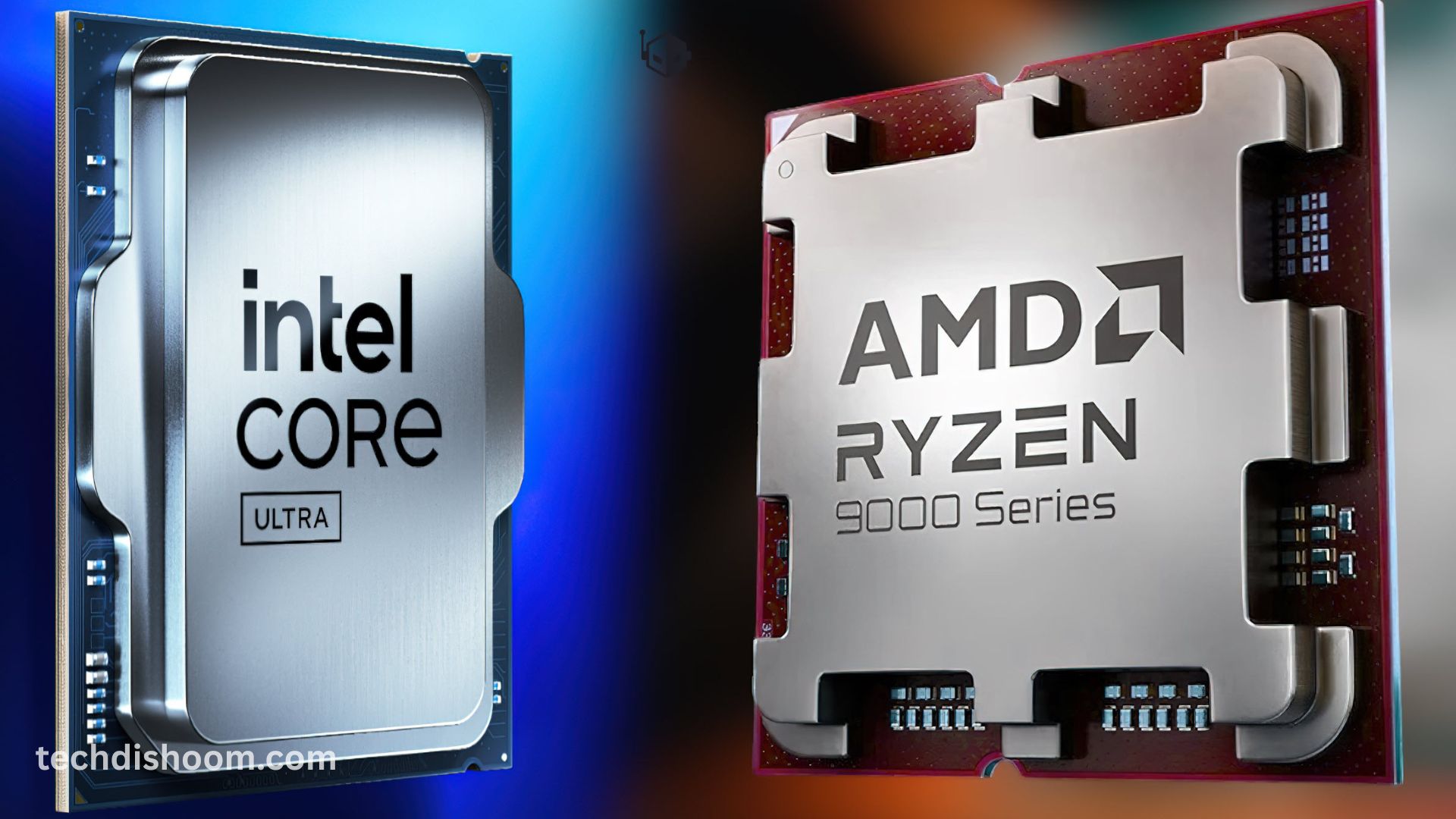
Intel has officially reshaped its long-term desktop gaming strategy, marking one of the most significant shifts in the company’s recent history. The updated five-year roadmap shows a clear intent to reclaim leadership in the gaming CPU market, where AMD has steadily gained an edge with its Ryzen X3D processors. This change is not a simple product update; it represents a broader transformation in how Intel approaches performance, efficiency, and gaming optimization at both hardware and software levels.
The timing of this strategic shift is critical. Gaming workloads are becoming increasingly complex, and modern game engines rely heavily on cache efficiency, thread management, and low-latency processing. AMD’s X3D lineup has already set a strong benchmark in these areas, forcing Intel to rethink its traditional reliance on clock speed and core count. With this roadmap, Intel is signaling a new era where software optimization and architectural balance will play just as important a role as raw silicon performance.
Intel’s Strategic Shift and Roadmap Redesign
Intel’s decision to rewrite its five-year gaming roadmap comes amid rising competition from AMD and shifting expectations in the CPU market. AMD’s consistent improvements, especially with its 3D V-Cache technology, have changed how gamers evaluate performance, forcing Intel to move beyond simple generational upgrades.
Instead of focusing only on hardware gains, Intel is now combining architecture improvements with deeper software integration. This includes better game engine optimization, improved scheduling systems, and closer collaboration with developers to ensure every layer of the system contributes to gaming performance.
AMD X3D Dominance and Market Pressure
AMD’s X3D processors have become a major force in gaming due to their stacked cache design, which significantly reduces latency and improves frame stability. This has allowed AMD to outperform Intel in many real-world gaming benchmarks, especially in CPU-heavy titles.
As a result, gamers now prioritize smooth performance and frame consistency over raw clock speeds. Intel is under pressure to respond, and this dominance has pushed the company toward faster innovation and more aggressive redesign of its gaming-focused CPU strategy.
Shift Toward Software-First Optimization Strategy
Intel is increasingly focusing on software optimization instead of relying only on hardware improvements. The company is working closely with developers, improving driver performance, and refining how CPUs handle gaming workloads in real time.
AI-based optimization is also being explored to dynamically adjust performance during gameplay. This approach aims to unlock extra efficiency from existing hardware and reduce the performance gap with AMD without waiting for full silicon redesigns.
Evolution of Hybrid Architecture: P-Cores and E-Cores
Intel’s hybrid design, combining P-cores and E-cores, remains central to its strategy, but it is now being refined for gaming performance. The goal is to ensure that demanding game tasks always run on high-performance cores while background processes are handled more efficiently.
Improved thread scheduling and upgraded Thread Director technology allow the CPU to better understand modern game engines. This results in smoother gameplay, reduced stuttering, and more consistent performance across different gaming scenarios.
Closing the Performance Gap with AMD
Intel’s main target is to close the gaming performance gap with AMD’s X3D chips. While Intel remains strong in productivity tasks, gaming performance especially frame stability and 1% lows has become a key battleground.
To fix this, Intel is shifting its focus toward smoother gameplay experiences rather than just higher FPS numbers. This includes reducing stutters, improving frame pacing, and ensuring more stable performance in demanding gaming environments.
Artificial Intelligence and Dynamic Optimization
AI is becoming a major part of Intel’s future gaming plans. The company is developing systems that can adjust CPU behavior in real time based on game demands, improving responsiveness and efficiency during gameplay.
These AI tools could help with smarter thread scheduling, adaptive power control, and workload balancing. Intel is also exploring developer-facing AI tools to optimize games specifically for its hardware, improving long-term performance across future titles.
Impact on the Gaming Industry and Consumers
Intel’s roadmap changes are expected to directly benefit gamers through smoother and more stable performance in future CPUs. Improvements in frame consistency, multitasking, and open-world gaming performance are key expected outcomes.
However, success will depend heavily on developer support. Game studios will need to optimize their engines to fully take advantage of Intel’s new architecture and software improvements, making industry collaboration essential.
AMD’s Expected Response and Continued Competition
AMD is not expected to slow down, as it continues improving its X3D lineup with better cache efficiency and power optimization. This ongoing innovation will help it maintain strong competition in the gaming CPU market.
The rivalry between Intel and AMD is pushing both companies forward rapidly. This competition is driving better performance, lower prices, and faster innovation, ultimately benefiting consumers worldwide.
Future Outlook for Gaming CPUs
The future of gaming CPUs will be shaped by AI integration, deeper software-hardware collaboration, and more specialized gaming architectures. Intel’s roadmap shows it is preparing for all these shifts over the next five years.
As games become more demanding, performance will depend less on raw power and more on smart optimization. This will lead to a new era where CPUs are designed not just for speed, but for intelligent gaming performance.
FAQs (Frequently Asked Questions)
Why did Intel change its gaming roadmap?
Intel updated its roadmap to better compete with AMD’s X3D processors, which currently lead in gaming performance.
What is AMD X3D technology?
AMD X3D uses 3D V-Cache technology to reduce latency and improve gaming performance in CPU-heavy tasks.
How will Intel improve gaming performance?
Intel plans to combine better hardware design with software optimization and AI-based performance tuning.
Is Intel focusing only on hardware upgrades?gy?
AI will help dynamically manage workloads, improve scheduling, and optimize performance during real-time gaming.
Will Intel CPUs become better than AMD for gaming?
Intel aims to close the gap with AMD, but competition will continue as both companies keep innovating.
What are P-cores and E-cores in Intel CPUs?
P-cores handle heavy gaming tasks while E-cores manage background processes for smoother performance.
How does this roadmap benefit gamers?
Gamers can expect smoother gameplay, better frame stability, and improved performance consistency in future CPUs.
Conclusion:
Intel’s decision to revamp its five-year desktop gaming roadmap represents a major turning point in the ongoing CPU competition. By shifting toward a hybrid strategy that combines hardware innovation with deep software optimization, Intel is positioning itself to directly challenge AMD’s dominance in gaming performance while AMD currently holds a strong lead with its X3D processors, Intel’s renewed focus on AI, architecture refinement, and developer collaboration signals a serious long-term effort to close the gap. The next few years will be critical in determining how the gaming CPU landscape evolves, but one thing is clear: competition between Intel and AMD is driving unprecedented innovation, ultimately benefiting
