

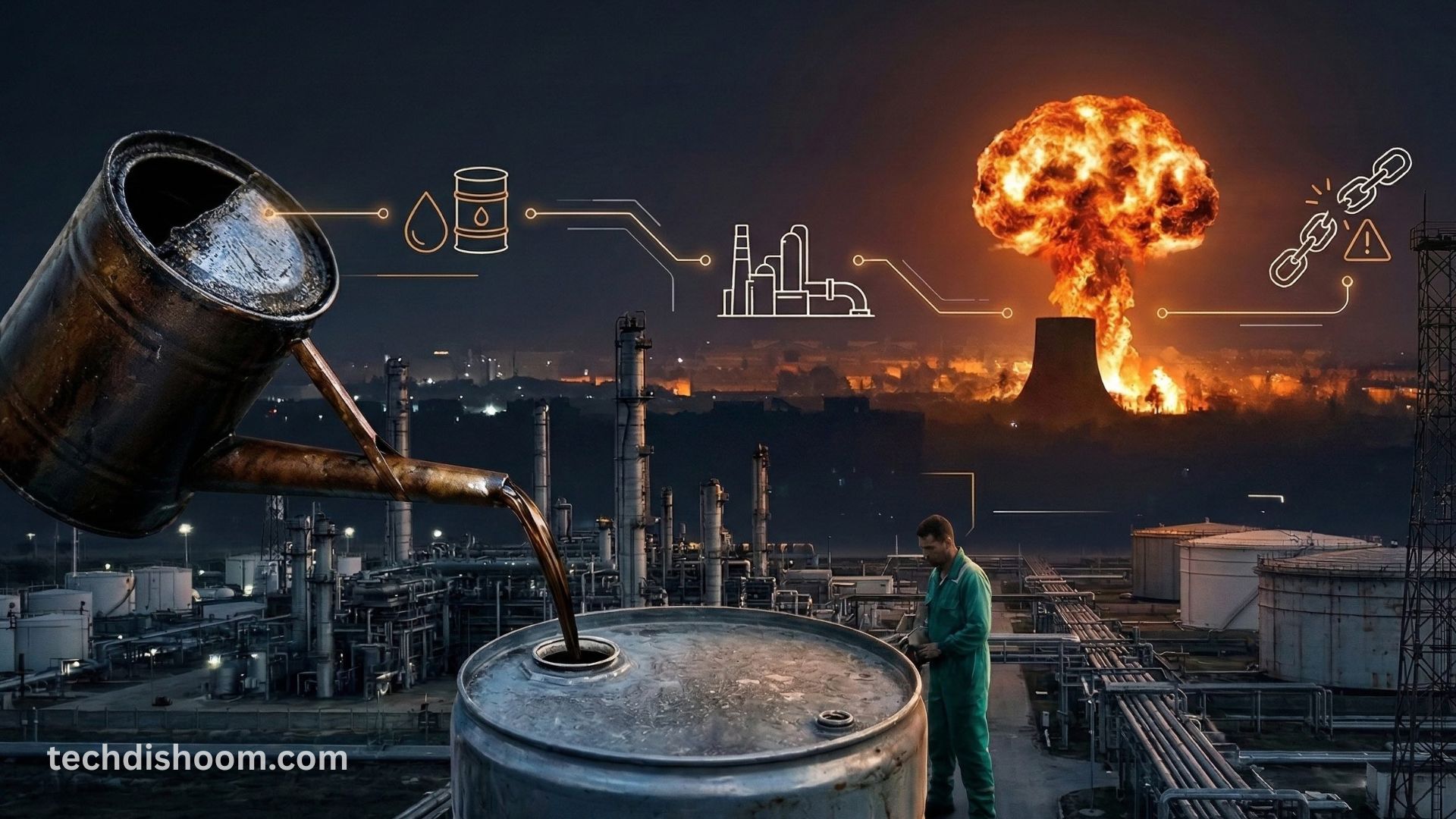
The global fast fashion industry, known for its rapid production cycles and low-cost clothing, is facing increasing pressure due to rising energy and transportation costs linked to geopolitical tensions in key oil supply routes. One of the most significant disruptions stems from the Strait of Hormuz, a critical maritime corridor through which a large portion of the world’s oil is transported. Any instability in this region has a direct impact on global oil prices, which in turn affects manufacturing, shipping, and retail costs across multiple industries, including fashion.
As oil prices fluctuate due to supply uncertainties in the Hormuz region, fast fashion brands are finding it increasingly difficult to maintain their low-cost business model. The industry relies heavily on global supply chains, energy-intensive production, and cheap transportation networks. When oil prices rise, every stage of the supply chain becomes more expensive, forcing companies to rethink pricing strategies, sourcing methods, and production efficiency. This growing pressure is reshaping the future of fast fashion in unexpected ways.
The Role of the Strait of Hormuz in Global Oil Supply
The Strait of Hormuz is widely recognized as one of the most important energy transit points in the world. Located between the Persian Gulf and the Gulf of Oman, it serves as the primary shipping route for oil exports from several major producing nations. A substantial percentage of the world’s petroleum supply passes through this narrow corridor, making it a critical point of control for global energy markets. Because of its strategic significance, any disruption in this region whether due to political tensions, military activity, or diplomatic conflict can have immediate consequences for global oil prices.
When oil supply routes through the Strait of Hormuz are threatened, even temporarily, global markets react quickly. Traders anticipate potential shortages or delays, which leads to price spikes in crude oil futures. These price increases then cascade into higher costs for fuel, transportation, and manufacturing across multiple industries. Fast fashion, which relies heavily on global logistics and low-cost transportation, is particularly exposed to these fluctuations. Unlike industries that can absorb short-term volatility, fast fashion operates on a continuous cycle of production and distribution, meaning that any disruption in energy supply quickly translates into operational challenges.
How Oil Prices Affect Fast Fashion Operations
Fast fashion is built on a highly optimized system that depends on cheap labor, efficient logistics, and rapid inventory turnover. Oil plays a central role in this system because it powers nearly every stage of the supply chain. From operating textile machinery in factories to fueling cargo ships and delivery trucks, the entire lifecycle of a garment is tied to energy consumption.
When oil prices rise, production costs increase almost immediately. Factories that rely on energy-intensive processes such as dyeing, weaving, and finishing fabrics face higher operational expenses. At the same time, shipping companies increase freight charges to compensate for rising fuel costs. These additional expenses are passed down the supply chain, eventually reaching retailers and consumers. For fast fashion brands, which depend on selling large volumes at very low prices, these cost increases create a serious financial challenge. Maintaining affordability becomes increasingly difficult without sacrificing profit margins or reducing production efficiency.
Rising Transportation Costs and Global Logistics Pressure
One of the most immediate and visible impacts of the Hormuz oil supply crunch is the rise in global transportation costs. The fast fashion industry depends on a complex logistics network that spans continents. Garments are often produced in Asia, shipped to distribution centers in Europe or North America, and then delivered to retail stores worldwide. This multi-stage process relies heavily on oil-powered transportation systems, including container ships, air freight, and trucking networks.
As oil prices increase, shipping companies raise their rates to offset higher fuel expenses. Air freight becomes significantly more expensive, and even inland transportation costs rise due to higher diesel prices. This creates a domino effect throughout the entire supply chain. For large fast fashion brands that ship millions of units globally each month, these incremental cost increases accumulate into substantial financial pressure. In many cases, companies are forced to renegotiate contracts, adjust delivery schedules, or absorb costs temporarily to maintain competitive pricing in the market.
Manufacturing Strain Across Global Production Hubs
Fast fashion manufacturing is heavily concentrated in countries with lower labor costs and established textile industries. However, these production hubs are not isolated from global energy markets. Many rely on imported raw materials and energy-intensive machinery, making them sensitive to fluctuations in oil prices.
When energy costs rise, factories face higher electricity bills, increased raw material transport expenses, and more expensive operational logistics. This creates a dual pressure system where both production and distribution become more costly simultaneously. Manufacturers often pass these additional costs on to fashion brands, forcing companies to reconsider sourcing strategies or renegotiate production agreements. In some cases, production volumes may be adjusted to manage rising expenses, potentially impacting the speed and flexibility that fast fashion is known for.
Retail Pricing Challenges and Consumer Sensitivity
Retail pricing is one of the most critical elements of the fast fashion model, and it is also one of the most vulnerable to cost fluctuations. Consumers are accustomed to extremely low prices and frequent product turnover, which means even small price increases can affect purchasing behavior.
As transportation and production costs rise due to oil price volatility, fast fashion brands face a difficult decision: absorb costs and reduce profit margins or increase retail prices and risk losing customers. In highly competitive markets, price sensitivity is extremely high, especially among younger consumers who form the core customer base of fast fashion brands. This makes pricing strategy a delicate balancing act where companies must carefully manage both profitability and consumer demand.
Changing Consumer Behavior and Market Trends
As economic pressures increase, consumer behavior is gradually beginning to shift. Rising prices and growing awareness of sustainability issues are encouraging shoppers to reconsider their fast fashion consumption habits. Many consumers are beginning to explore alternative options such as second-hand clothing platforms, sustainable fashion brands, and long-lasting wardrobe investments.
This shift is particularly important because fast fashion relies heavily on impulse buying and frequent purchases. If consumers reduce buying frequency or switch to more sustainable alternatives, it could significantly impact sales volumes and long-term growth projections for the industry.
Sustainability and Industry Transformation
Interestingly, the current oil-driven cost pressures are also accelerating sustainability discussions within the fashion industry. Fast fashion has long been criticized for its environmental impact, including excessive waste, pollution, and carbon emissions. Rising oil prices are now indirectly encouraging companies to adopt more efficient and sustainable practices.
Many brands are reducing overproduction, optimizing inventory systems, and investing in recycled materials to cut costs. By improving supply chain efficiency and reducing waste, companies can lower their dependency on volatile oil-based logistics. While these changes are driven primarily by economic necessity, they are also contributing to a gradual shift toward more sustainable fashion practices.
Supply Chain Vulnerability and Global Exposure
The Hormuz oil crisis has exposed a major weakness in the fast fashion industry: overdependence on highly globalized and energy-sensitive supply chains. While globalization has enabled cost efficiency and rapid production, it has also created systemic vulnerabilities.
When oil prices fluctuate, every part of the supply chain is affected simultaneously. This interconnectedness increases risk exposure and reduces flexibility. As a result, companies are now exploring more resilient models such as nearshoring, regional production hubs, and diversified supplier networks to reduce dependency on long-distance transportation routes.
Logistics Industry Under Continued Pressure
The logistics sector is one of the most directly affected parts of the fast fashion ecosystem. Rising fuel prices increase operational costs for shipping companies, airlines, and trucking firms. These costs are then passed on to retailers, creating a continuous upward pressure on supply chain expenses.
In response, logistics providers are investing in fuel-efficient technologies, route optimization systems, and alternative energy solutions. However, these long-term solutions require significant investment and time, meaning short-term volatility is likely to persist.
Geopolitical Risk and Market Uncertainty
Geopolitical instability in key oil-producing regions continues to create uncertainty in global markets. The Strait of Hormuz remains a focal point of this instability, where even minor disruptions can have global economic consequences.
For fast fashion companies, this uncertainty complicates long-term planning and forecasting. Businesses must now incorporate geopolitical risk analysis into supply chain management, pricing strategies, and investment decisions, increasing overall operational complexity.
FAQs (Frequently Asked Questions)
What is the Hormuz oil supply crunch?
It refers to disruptions or instability in the Strait of Hormuz that affect global oil supply and increase prices worldwide.
Why is fast fashion affected by oil prices?
Because it relies heavily on global shipping, manufacturing, and logistics, all of which depend on fuel and oil.
How do rising oil prices impact clothing costs?
They increase production, transportation, and distribution expenses, which can eventually raise retail prices.
What is the Strait of Hormuz?
It is a major sea route in the Middle East through which a large share of the world’s oil is transported.
Are fast fashion brands increasing prices?
Some brands may adjust prices slightly, but many try to absorb costs to stay competitive in the market.
How does oil affect fashion supply chains?
Oil impacts shipping, trucking, factory energy use, and raw material transportation across global supply networks.
Will consumers change shopping habits?
Yes, rising prices may push consumers toward sustainable fashion and second-hand clothing options.
What is the future of fast fashion?
It may shift toward more sustainable, efficient, and regionally focused production models to handle rising costs.
Conclusion:
The fast fashion industry is entering a period of structural transformation driven by rising energy costs, geopolitical instability, and changing consumer expectations. The Hormuz oil supply crunch is not just a temporary disruption but a clear signal of deeper vulnerabilities within global supply chains.
As companies adapt to this new environment, the industry is likely to evolve toward more resilient, efficient, and sustainable models. While fast fashion will continue to exist, its structure, cost dynamics, and global operations are expected to undergo significant change in the coming years.
